Cell Junctions


Cell junctions are specialized structures that connect adjacent cells to each other or to the extracellular matrix. These junctions play crucial roles in maintaining the structural integrity of tissues, facilitating communication between cells, and regulating the movement of substances across cellular barriers.
Types of Cell Junctions
Cell junctions can be broadly categorized into three main types: tight junctions, adherens junctions, and gap junctions. Each type of junction has distinct structural features and functions.
1. Tight Junctions
Tight junctions, also known as occluding junctions, are found primarily in epithelial tissues. They form a seal between adjacent cells, preventing the passage of molecules and ions through the space between cells. This barrier function is crucial for maintaining the distinct environments on either side of an epithelial layer.
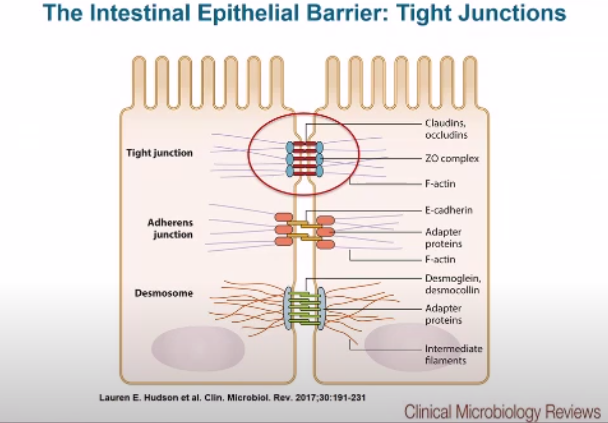
- Structure: Tight junctions are composed of a network of claudins and occludins, which are transmembrane proteins that interact with similar proteins on adjacent cells.
- Function: They regulate paracellular transport and maintain cell polarity by preventing the diffusion of membrane proteins and lipids between the apical and basolateral surfaces of the cell.
2. Adherens Junctions
Adherens junctions are primarily involved in maintaining the mechanical integrity of tissues. They are found in various tissues, including epithelial and cardiac tissues, where they help cells adhere to each other.
- Structure: These junctions are composed of cadherins, which are transmembrane proteins that mediate cell-cell adhesion. Cadherins are linked to the actin cytoskeleton through catenins, providing structural support.
- Function: Adherens junctions play a role in tissue morphogenesis and maintenance by facilitating cell-cell adhesion and communication. They also contribute to the formation of tissue barriers and the transmission of mechanical signals.
3. Gap Junctions
Gap junctions are specialized for cell-cell communication. They allow the direct transfer of ions and small molecules between adjacent cells, facilitating coordinated cellular responses.
- Structure: Gap junctions are composed of connexins, which form hexameric channels called connexons. These channels align with connexons on adjacent cells to create a continuous aqueous pore.
- Function: They enable the passage of signaling molecules, ions, and metabolites, allowing cells to communicate and synchronize their activities. This is particularly important in cardiac and smooth muscle tissues, where coordinated contraction is essential.
Additional Types of Cell Junctions
In addition to the primary types of cell junctions, there are other specialized junctions that serve specific functions in certain tissues.
4. Desmosomes
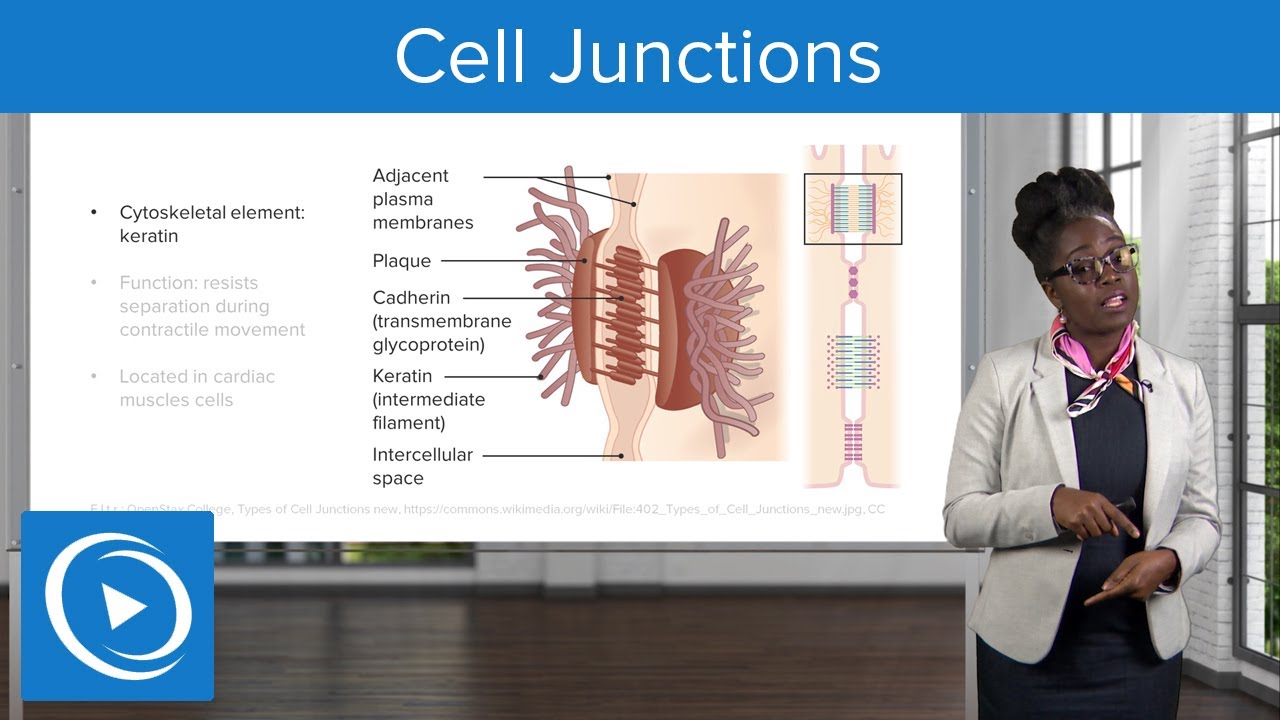
Desmosomes are strong, adhesive junctions that provide mechanical strength to tissues subjected to stress, such as the skin and heart.
- Structure: Desmosomes are composed of desmogleins and desmocollins, which are cadherin-like proteins. These proteins are linked to intermediate filaments through desmoplakin and plakoglobin.
- Function: They distribute mechanical stress across cells, preventing tissue damage and maintaining tissue integrity.
5. Hemidesmosomes
Hemidesmosomes are similar to desmosomes but connect cells to the extracellular matrix rather than to other cells.
- Structure: They are composed of integrins, which are transmembrane proteins that interact with the extracellular matrix and link to intermediate filaments inside the cell.
- Function: Hemidesmosomes anchor epithelial cells to the basement membrane, providing stability and resistance to mechanical stress.
Importance of Cell Junctions
Cell junctions are vital for numerous physiological processes and play a role in maintaining tissue homeostasis. They are involved in:
- Barrier Function: Tight junctions create selective barriers that regulate the movement of substances across epithelial layers, protecting underlying tissues from pathogens and toxins.
- Cell Communication: Gap junctions facilitate the exchange of ions and signaling molecules, enabling coordinated cellular responses and maintaining tissue function.
- Tissue Integrity: Adherens junctions and desmosomes provide mechanical strength and stability to tissues, preventing damage and maintaining structural integrity.
- Development and Morphogenesis: Cell junctions are crucial during embryonic development and tissue morphogenesis, guiding cell movement and differentiation.
Clinical Relevance
Dysfunction or disruption of cell junctions can lead to various diseases and disorders. For example:
- Cancer: Altered cell junctions can contribute to cancer progression by allowing cancer cells to detach and invade surrounding tissues.
- Inflammatory Diseases: Disruption of tight junctions can lead to increased intestinal permeability, contributing to inflammatory bowel diseases.
- Cardiovascular Diseases: Abnormal gap junctions can result in impaired electrical conduction in the heart, leading to arrhythmias.