Dysgraphia
Videos
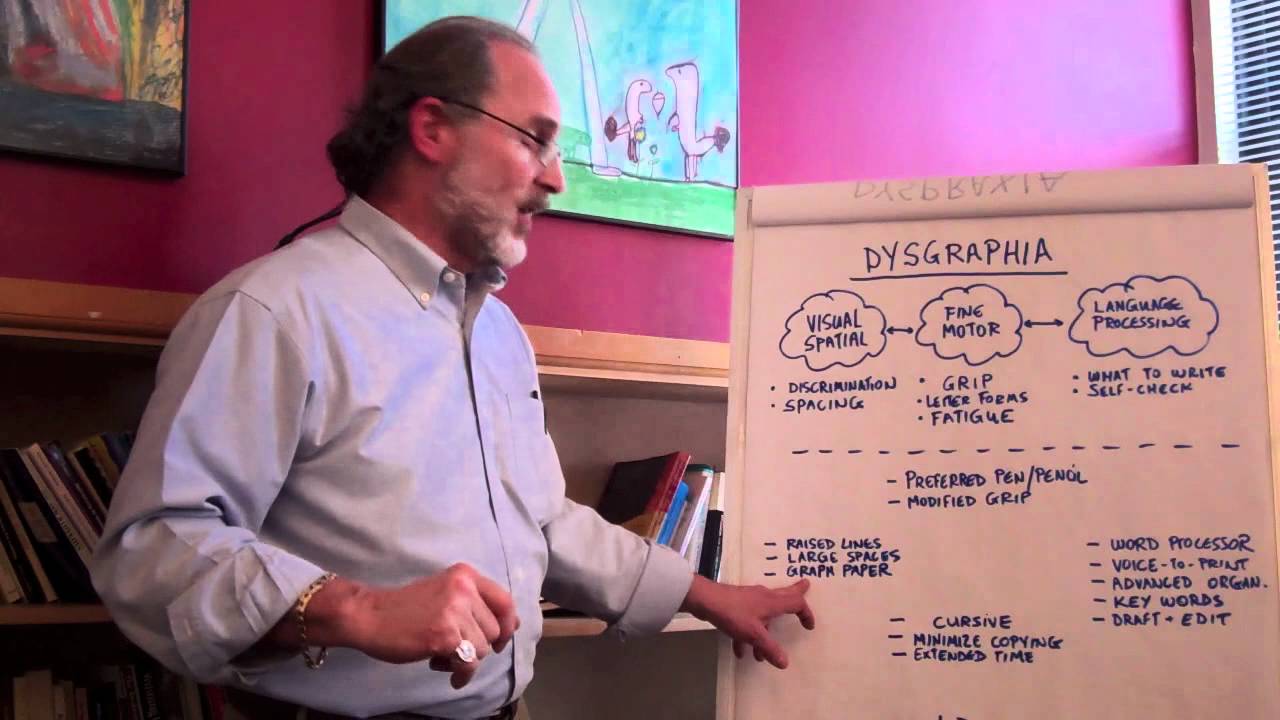
What is Dysgraphia? Not just a Handwriting problem. How you can fix it. -
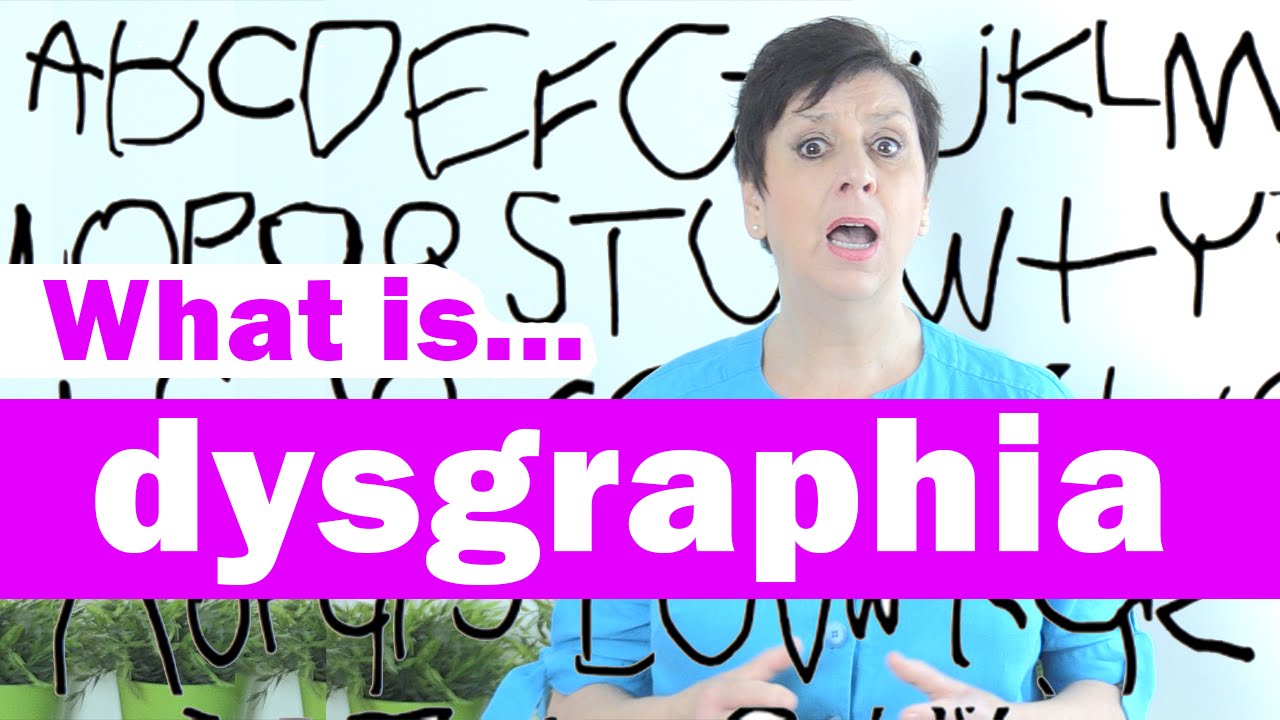
Difference Between Dyslexia and Dysgraphia -

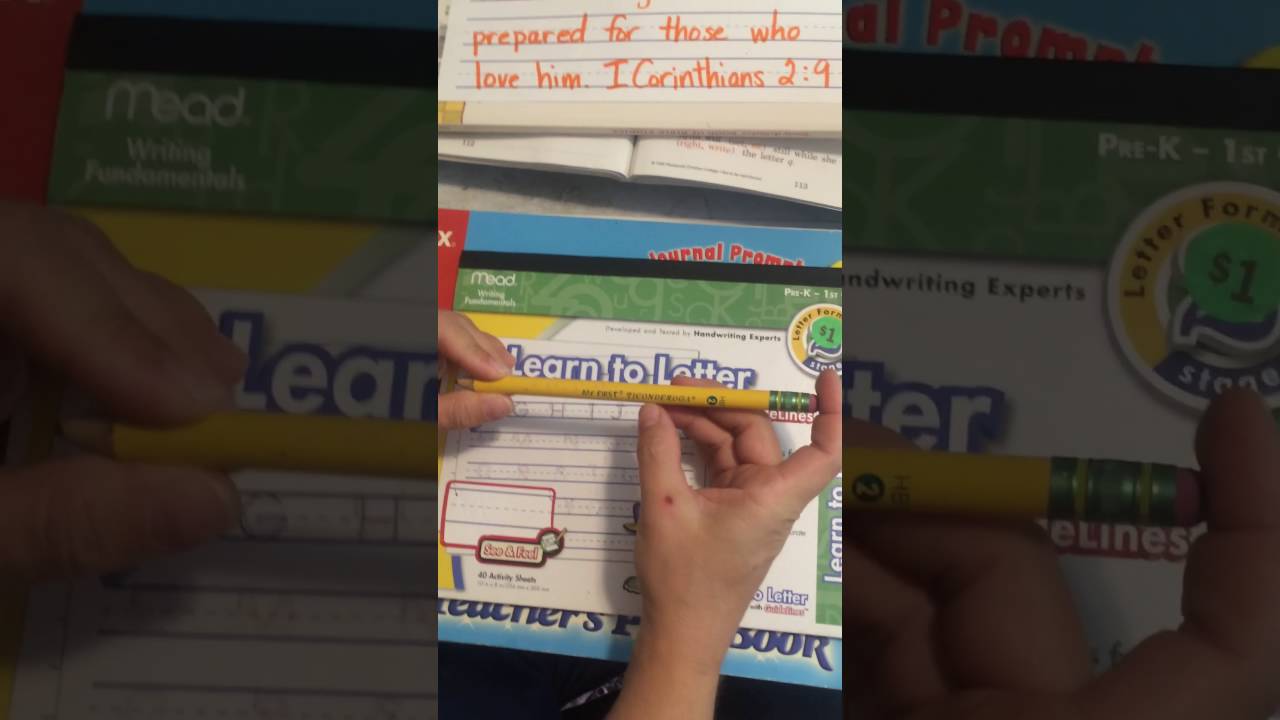
Webinar
Occupational Therapy Treatment for Handwriting Difficulties - The OT Practice
Dysgraphia, a learning disability that affects writing ability, can pose various challenges for individuals. People with dysgraphia may struggle with handwriting, spelling, and organizing their thoughts on paper. This summary explores the characteristics, causes, and potential interventions for dysgraphia.
Characteristics of Dysgraphia
Dysgraphia is characterized by difficulties in written expression. Individuals with dysgraphia often have illegible handwriting, inconsistent letter formation, and poor spacing between words and lines. They may also struggle with spelling, punctuation, and grammar. Coordinating the fine motor skills required for writing can be particularly challenging for those with dysgraphia, leading to frustration and avoidance of written tasks.
Causes of Dysgraphia
The exact causes of dysgraphia are not fully understood, but researchers believe it is related to neurological differences in the brain. Dysgraphia can occur alongside other learning disabilities, such as dyslexia or attention deficit hyperactivity disorder (ADHD). It may also be associated with difficulties in visual-spatial processing or fine motor skills. Environmental factors, such as a lack of exposure to writing instruction or inadequate support, can also contribute to the development of dysgraphia.
Interventions for Dysgraphia
While there is no cure for dysgraphia, there are various interventions that can help individuals manage their difficulties and improve their writing skills. These interventions may include:
- Occupational Therapy: Occupational therapists can work with individuals to develop fine motor skills necessary for writing. They may use exercises to improve handwriting legibility, letter formation, and overall motor coordination.
- Assistive Technology: Using assistive technology can be beneficial for individuals with dysgraphia. Speech-to-text software, word prediction programs, and digital notetaking tools can help them overcome the challenges associated with writing.
- Multisensory Approaches: Multisensory approaches, such as the use of sandpaper letters or tactile materials, can help individuals with dysgraphia develop a better understanding of letter formation. By engaging multiple senses, these approaches can enhance memory and learning.
- Explicit Instruction: Providing explicit instruction in handwriting, spelling, and grammar can be helpful for individuals with dysgraphia. Breaking down these skills into smaller, manageable steps and providing ample practice opportunities can support their progress.
- Accommodations and Modifications: In educational settings, accommodations and modifications can be made to support students with dysgraphia. This may include providing extra time for writing assignments, allowing the use of a computer or scribe, or providing alternative methods of demonstrating knowledge.