Cortisol
Return to Endocrine System / Hormones Menu
See also: Hair Cortisol Test ; Home Cortisol Test
Videos
Cortisol Explained


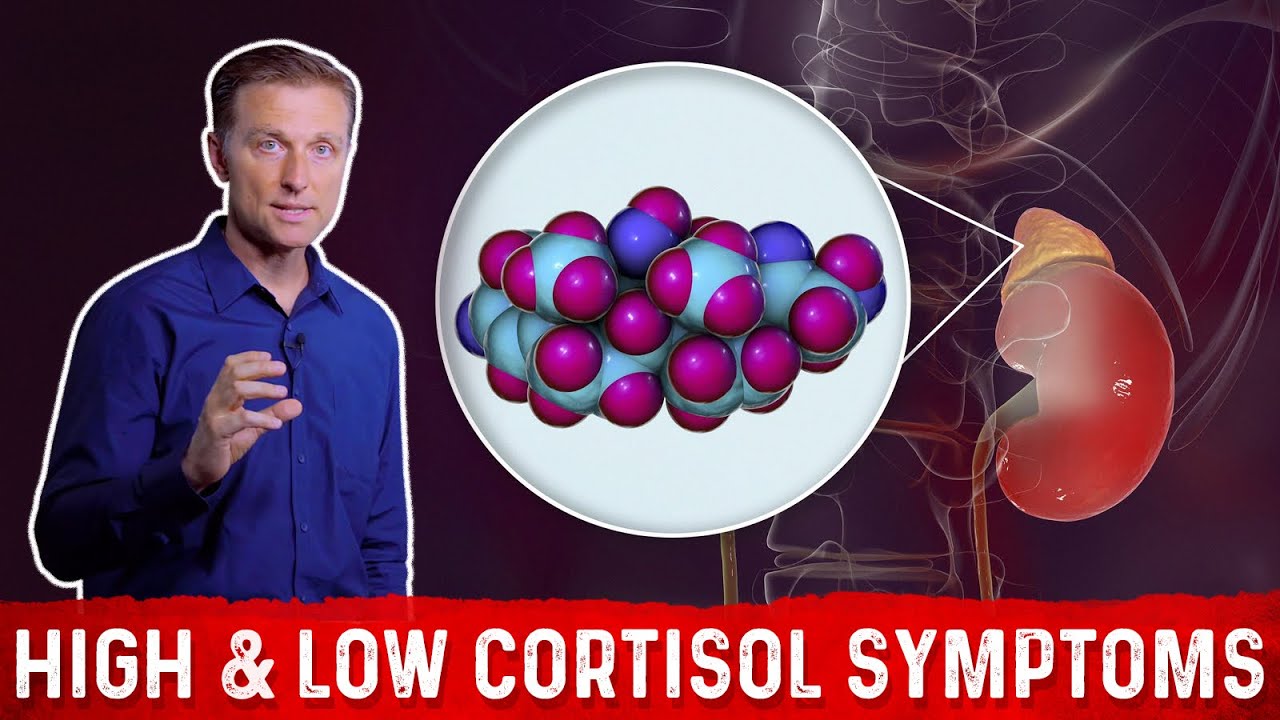
Cortisol vs. Body Fat - How Low Sodium Can Make you Fatter
5 Habits that Are Skyrocketing Your Cortisol
The Non-Stress Cause of High Cortisol
Why It's Hard to Turn Stress (Cortisol) Off
Cortisol Awakening Response
Stress and Cortisol: The Root of Hypothyroidism
Cortisol and Glutathione Connection
The Effects of Cortisol and Adrenals on Your Sleep Cycle
The #1 Sign of High Cortisol
6 Ways to Lower Cortisol
The Links Between Histamine, Oestrogen, and Cortisol with Georgia Marrion
Japanese Healing Technique Instantly Lowers Cortisol & Stress in Minutes
Understanding Cortisol: The Stress Hormone
Cortisol is a steroid hormone that plays a crucial role in the body's response to stress. It is produced by the adrenal glands, which are located on top of each kidney. Often referred to as the "stress hormone," cortisol is involved in a wide range of processes throughout the body, including metabolism regulation, immune response modulation, and the maintenance of blood pressure.
The Role of Cortisol in the Body
Cortisol is part of the body's fight-or-flight response, a physiological reaction that occurs in response to a perceived harmful event, attack, or threat to survival. When the brain perceives a stressor, the hypothalamus releases corticotropin-releasing hormone (CRH), which signals the pituitary gland to secrete adrenocorticotropic hormone (ACTH). ACTH then stimulates the adrenal glands to produce cortisol.
Key Functions of Cortisol
- Metabolism Regulation: Cortisol helps regulate metabolism by influencing how the body converts proteins, carbohydrates, and fats into energy. It ensures that the body has enough energy to handle stress and maintain normal functions.
- Immune Response: Cortisol has anti-inflammatory properties and helps modulate the immune system. It can suppress inflammation and immune responses, which is why synthetic cortisol (corticosteroids) is often used to treat inflammatory and autoimmune conditions.
- Blood Pressure Maintenance: Cortisol helps maintain blood pressure by regulating the balance of salt and water in the body. It ensures that blood vessels function properly and that blood pressure remains stable.
- Blood Sugar Regulation: Cortisol plays a role in maintaining blood sugar levels by stimulating gluconeogenesis, the process of generating glucose from non-carbohydrate sources. This is crucial during periods of fasting or stress when the body needs additional energy.
- Central Nervous System Activation: Cortisol affects mood, motivation, and fear. It can influence brain function and behavior, impacting how individuals respond to stress and emotional challenges.
CORTISOL AND STRESS
Cortisol – Liquid Stress
One of the main culprits in chronic stress is elevated cortisol. This can affect every physiological system in your body, including thyroid and adrenal glands. Cortisol is the hormone that adapts the body physiologically to stress states. It causes the different body parts to adapt to survival mode. It can make you anxious and irritable, lead to weight gain and bone loss, contribute to diabetes and heart disease risk, and deplete your energy levels.
Cortisol is also known as the aging hormone.
When cortisol is high over a period of time, your body adapts to cortisol, as it does with insulin. All autoimmune diseases are triggered by stress. Cortisol is intimately involved in the immune process and when you lose control of cortisol by overwhelming stress the immune system goes out of control. The #1 treatment for autoimmune diseases is cortisol in the form of prednisone.
Cortisol follows a circadian rhythm, increasing through the light of day, decreasing through the night. It is progesterone is its precursor.
While cortisol is essential for managing stress, chronic stress can lead to prolonged cortisol exposure, which may have negative health effects. Elevated cortisol levels over time can contribute to various health issues, including:
- Weight Gain: High cortisol levels can lead to increased appetite and cravings for high-calorie foods, contributing to weight gain, particularly around the abdomen.
- Sleep Disturbances: Cortisol levels naturally fluctuate throughout the day, peaking in the morning and declining at night. Chronic stress can disrupt this rhythm, leading to sleep disturbances and insomnia.
- Immune System Suppression: Prolonged exposure to cortisol can weaken the immune system, making the body more susceptible to infections and illnesses.
- Cardiovascular Problems: Chronic stress and elevated cortisol levels can increase the risk of hypertension, heart disease, and stroke.
- Mental Health Issues: High cortisol levels are associated with anxiety, depression, and mood disorders. Cortisol can affect neurotransmitter function and brain structure, influencing mental health.
Managing Cortisol Levels
Factors increasing cortisol levels
- Viral infections increase cortisol levels through activation of the HPA axis by cytokines.
- Caffeine may increase cortisol levels.
- Sleep deprivation
- Intense (high VO2 max) or prolonged aerobic exercise transiently increases cortisol levels to increase gluconeogenesis and maintain blood glucose; however, cortisol declines to normal levels after eating (i.e., restoring a neutral energy balance)
- The Val/Val variation of the BDNF gene in men and the Val/Met variation in women are associated with increased salivary cortisol in a stressful situation.
- Hypoestrogenism and melatonin supplementation increase cortisol levels in postmenopausal women.
- Severe trauma or stressful events can elevate cortisol levels in the blood for prolonged periods.
- Subcutaneous adipose tissue regenerates cortisol from cortisone by the enzyme 11-beta HSD1.
- Anorexia nervosa may be associated with increased cortisol levels.
- The serotonin receptor gene 5HTR2C is associated with increased cortisol production in men.
- Posing in low-power nonverbal displays through close, contractive postures can increase cortisol levels.
- Smelling androstadienone has been found in one study to raise cortisol levels in women; as well as, in other studies, to affect mood (see androstadienone article for details and citations).
Maintaining balanced cortisol levels is crucial for overall health and well-being. Here are some strategies to help manage cortisol levels:
Lifestyle Modifications
- Regular Exercise: Engaging in regular physical activity can help reduce cortisol levels. Exercise promotes the release of endorphins, which improve mood and reduce stress.
- Healthy Diet: A balanced diet rich in fruits, vegetables, whole grains, and lean proteins can support adrenal health and help regulate cortisol levels.
- Adequate Sleep: Prioritizing sleep and maintaining a consistent sleep schedule can help regulate cortisol production and improve overall health.
- Stress Management Techniques: Practices such as mindfulness, meditation, yoga, and deep breathing exercises can help reduce stress and lower cortisol levels.
- Social Support: Building strong social connections and seeking support from friends and family can buffer against stress and help maintain healthy cortisol levels.
Medical Interventions
In some cases, medical intervention may be necessary to manage cortisol levels. This can include:
- Corticosteroid Medications: For individuals with adrenal insufficiency or other conditions affecting cortisol production, synthetic corticosteroids may be prescribed to replace or supplement natural cortisol.
- Therapy and Counseling: Cognitive-behavioral therapy (CBT) and other forms of counseling can help individuals develop coping strategies for managing stress and reducing cortisol levels.
- Monitoring and Testing: Regular monitoring of cortisol levels through blood, urine, or saliva tests can help identify imbalances and guide treatment.
ARTICLES/STUDIES
Exposure of fetuses to cortisol during gestation can have a variety of developmental outcomes, including alterations in prenatal and postnatal growth patterns. In marmosets, a species of New World primates, pregnant females have varying levels of cortisol during gestation, both within and between females. Mustoe et al. (2012) showed that infants born to mothers with high gestational cortisol during the first trimester of pregnancy had lower rates of growth in body mass indices (BMI) than infants born to mothers with low gestational cortisol (approximately 20% lower). However, postnatal growth rates in these high-cortisol infants was more rapid than low-cortisol infants later in postnatal periods, and complete catch-up in growth had occurred by 540 days of age. These results suggest that gestational exposure to cortisol in fetuses has important potential fetal programming effects on both pre- and post-natal growth in primates.