Neurofeedback
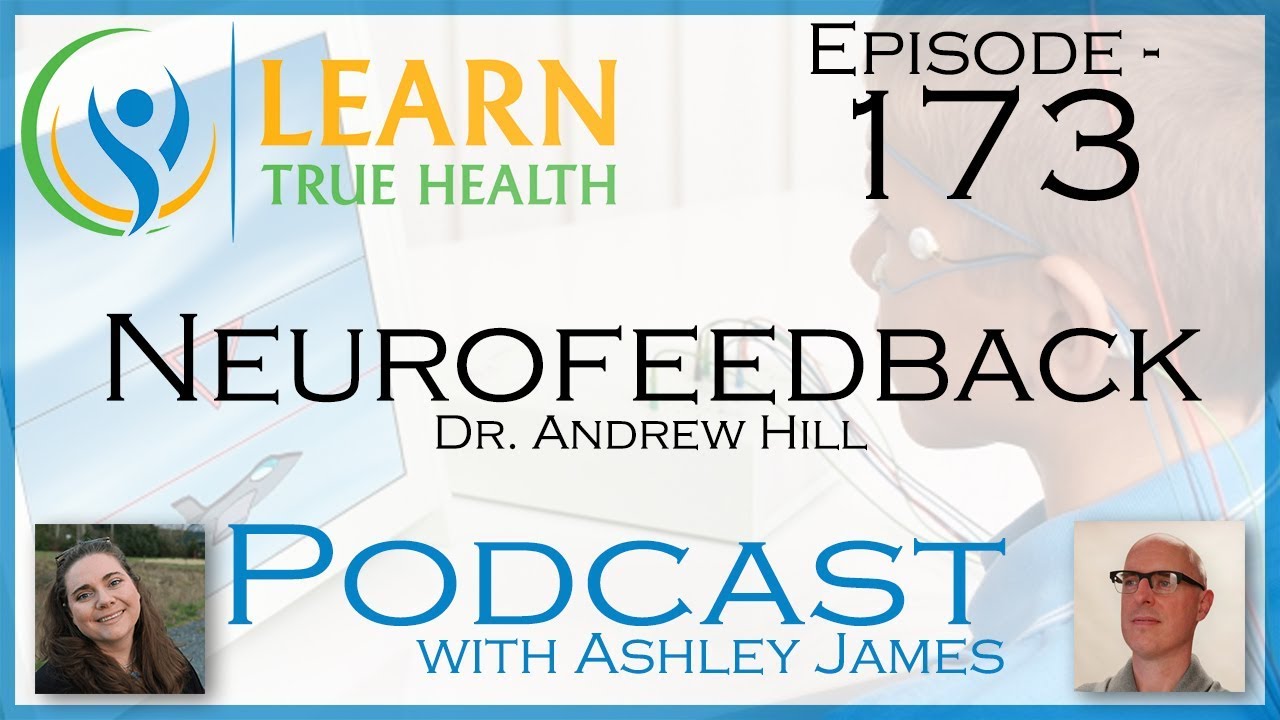
For brain disorders
Neurofeedback, also known as EEG biofeedback, is a therapeutic intervention that provides real-time feedback on brainwave activity. This technique is grounded in the principles of operant conditioning and aims to train the brain to function more efficiently. By monitoring brainwave patterns, individuals can learn to regulate their brain activity, which can lead to improvements in various cognitive and emotional functions.
How Neurofeedback Works
Neurofeedback involves the use of electroencephalography (EEG) to measure brainwave activity. During a session, electrodes are placed on the scalp to detect electrical activity in the brain. This data is then processed by a computer, which provides visual or auditory feedback to the individual. The feedback is designed to reinforce desirable brainwave patterns and inhibit undesirable ones.
The process typically involves the following steps:
- Assessment: A baseline EEG is recorded to identify the individual's brainwave patterns and any dysregulation.
- Training: The individual engages in tasks or activities while receiving feedback on their brainwave activity. This feedback helps them learn to modify their brainwave patterns.
- Reinforcement: Positive changes in brainwave activity are reinforced through rewards, such as visual or auditory cues.
- Progress Monitoring: Regular assessments are conducted to track changes in brainwave patterns and adjust the training protocol as needed.
Applications of Neurofeedback
Neurofeedback has been used to address a variety of conditions and enhance cognitive performance. Some of the most common applications include:
- Attention Deficit Hyperactivity Disorder (ADHD): Neurofeedback has been shown to improve attention, reduce impulsivity, and enhance executive functioning in individuals with ADHD.
- Anxiety and Depression: By promoting relaxation and emotional regulation, neurofeedback can help alleviate symptoms of anxiety and depression.
- Epilepsy: Some studies suggest that neurofeedback can reduce the frequency and severity of seizures in individuals with epilepsy.
- Sleep Disorders: Neurofeedback can improve sleep quality by training the brain to achieve more restful states.
- Peak Performance: Athletes, musicians, and executives use neurofeedback to enhance focus, creativity, and overall performance.
Benefits of Neurofeedback
Neurofeedback offers several advantages as a therapeutic intervention:
- Non-Invasive: Unlike medication or surgery, neurofeedback is a non-invasive treatment that does not involve any physical intervention.
- Personalized: Training protocols are tailored to the individual's specific brainwave patterns and needs.
- Long-Lasting Effects: With consistent training, individuals can achieve lasting changes in brain function.
- Minimal Side Effects: Neurofeedback is generally well-tolerated, with few reported side effects.
Challenges and Considerations
Despite its potential benefits, neurofeedback is not without challenges:
- Limited Research: While there is growing evidence supporting the efficacy of neurofeedback, more research is needed to fully understand its mechanisms and long-term effects.
- Variability in Results: Not all individuals respond to neurofeedback in the same way, and some may experience limited benefits.
- Cost and Accessibility: Neurofeedback can be expensive and may not be covered by insurance, limiting access for some individuals.
- Need for Skilled Practitioners: Effective neurofeedback requires trained professionals who can accurately interpret EEG data and design appropriate training protocols.
Future Directions
The field of neurofeedback is rapidly evolving, with ongoing research exploring new applications and technologies. Some promising areas of development include:
- Advanced EEG Technology: Improvements in EEG technology are enhancing the accuracy and reliability of neurofeedback.
- Integration with Other Therapies: Combining neurofeedback with other therapeutic modalities, such as cognitive-behavioral therapy, may enhance treatment outcomes.
- Virtual Reality (VR) and Neurofeedback: The use of VR in neurofeedback training is being explored as a way to create more immersive and engaging feedback experiences.