Oral microbiome
Return to Digestive System Menu
The microbes in the mouth are as different from those in the gut, as the life forms in a coral reef are from those in a desert. This means that just a few feet in your body makes as much difference as thousands of miles across the earth's surface. So rather than thinking of ourselves as having one microbiome, we have a whole archipelago of different microbiomes throughout the body and we're just starting to understand the connections between them.
Videos
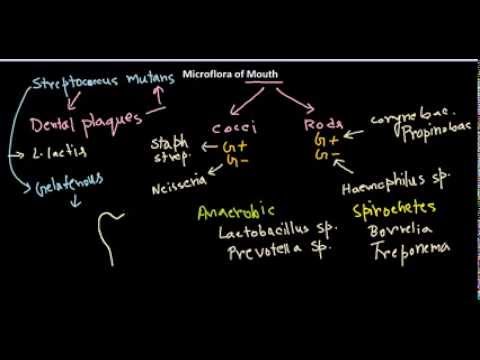
Bacteria of the Mouth:
Ancient Oral Microbiomes and Human Health

Oral microbiome stability and gut microbiome connection to MS
The Effect of Pancreatic Cancer on the Oral Microbiome ASM Live 2014
The oral microbiome is a complex and dynamic ecosystem that plays a crucial role in maintaining oral and overall health. It consists of a diverse community of microorganisms, including bacteria, fungi, viruses, and protozoa, that inhabit the oral cavity. This community is essential for various physiological processes, but it can also contribute to disease if imbalanced.
Composition of the Oral Microbiome
The oral microbiome is composed of hundreds of different microbial species. The most abundant are bacteria, which can be categorized into several phyla, including:
- Firmicutes: This group includes Streptococcus species, which are among the most prevalent in the mouth.
- Bacteroidetes: These bacteria are often found in the gingival crevice and are associated with periodontal health.
- Proteobacteria: This phylum includes Neisseria species, which are common in the oral cavity.
- Actinobacteria: Actinomyces species are part of this group and are involved in the formation of dental plaque.
- Fusobacteria: These bacteria are important in the development of periodontal disease.
In addition to bacteria, the oral microbiome includes fungi such as Candida, viruses like herpes simplex, and protozoa such as Entamoeba gingivalis.
Functions of the Oral Microbiome
The oral microbiome performs several vital functions:
- Protection Against Pathogens: The microbiome acts as a barrier against pathogenic microorganisms by competing for nutrients and attachment sites.
- Immune System Modulation: It helps in the development and regulation of the host's immune system, promoting a balanced immune response.
- Digestion and Metabolism: Some oral bacteria contribute to the initial stages of digestion by breaking down food particles.
- Maintenance of Oral Health: The microbiome is involved in maintaining the health of oral tissues, including the teeth and gums.
Factors Influencing the Oral Microbiome
Several factors can influence the composition and function of the oral microbiome:
- Diet: A diet high in sugars and carbohydrates can promote the growth of acid-producing bacteria, leading to dental caries.
- Oral Hygiene: Regular brushing and flossing help control the microbial load and prevent plaque formation.
- Antibiotic Use: Antibiotics can disrupt the balance of the oral microbiome, leading to overgrowth of opportunistic pathogens.
- Smoking: Tobacco use alters the microbial composition and is associated with periodontal disease.
- Genetics: An individual's genetic makeup can influence the types of microorganisms present in the oral cavity.
Oral Microbiome and Disease
An imbalance in the oral microbiome, known as dysbiosis, can lead to various oral and systemic diseases:
- Dental Caries: Caused by acid-producing bacteria that demineralize tooth enamel.
- Periodontal Disease: Involves inflammation and destruction of the supporting structures of the teeth, often linked to specific bacterial species.
- Oral Thrush: An overgrowth of Candida species, leading to fungal infection.
- Systemic Diseases: Emerging research suggests links between oral microbiome dysbiosis and conditions such as cardiovascular disease, diabetes, and respiratory infections.
Maintaining a Healthy Oral Microbiome
To support a healthy oral microbiome, consider the following practices:
- Maintain good oral hygiene by brushing twice daily and flossing regularly.
- Limit the intake of sugary and acidic foods and beverages.
- Visit a dentist regularly for check-ups and professional cleanings.
- Avoid tobacco products and limit alcohol consumption.
- Consider the use of probiotics or prebiotics to support beneficial oral bacteria.
ARTICLES/STUDIES
Global diversity in the human salivary microbiome - The human salivary microbiome may play a role in diseases of the oral cavity and interact with microbiomes from other parts of the human body (in particular, the intestinal tract), but little is known about normal variation in the salivary microbiome.. Analysis of the human oral cavity by Nasidze et al. identified 101 bacterial genera in the mouth as well as an additional 64 genera previously unknown to science.
The oral microbiome has been linked to migraines, hepatitis, type 2 diabetes, rheumatoid arthritis and a number of other conditions.
- The oral microbiome in an ecological perspective
- Biological activities of virgin coconut and virgin olive oil mixture against oral primary colonizers.
- Oral mucous membrane flora in patients using saliva substitutes.
- Living in a microbial world: The healthy oral microbiome contributes to jaw bone health by influencing immune cell interactions with bone cells
- Opening doors for broader participation in oral microbiome studies: the stability and comparability of ethanol-free mouthwash
- Epigallocatechin gallate (EGCG) alleviates the inflammatory response and recovers oral microbiota in acetic acid-induced oral inflammation.