Henbit
Overview
Latin: Lamium amplexicaule
Common names: Henbit, Henbit dead-nettle
Family: Lamiaceae (Mint family)
Type: Annual herb, often a winter annual in mild climates
Lamium amplexicaule, commonly known as henbit dead-nettle, is an edible and medicinal plant found across much of Europe, Asia, and North America. In many regions it is one of the earliest wild greens to appear in late winter/early spring, and is often considered a weed in lawns, gardens, and disturbed soils.
Identification (Field Notes)
Growth habit
- Low, sprawling to upright winter annual; often forms dense patches.
- Square stems (mint family characteristic), sometimes reddish or purplish, especially in cold weather.
Leaves
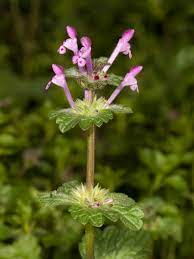
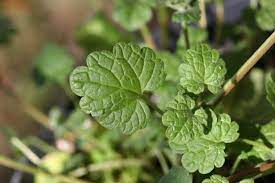
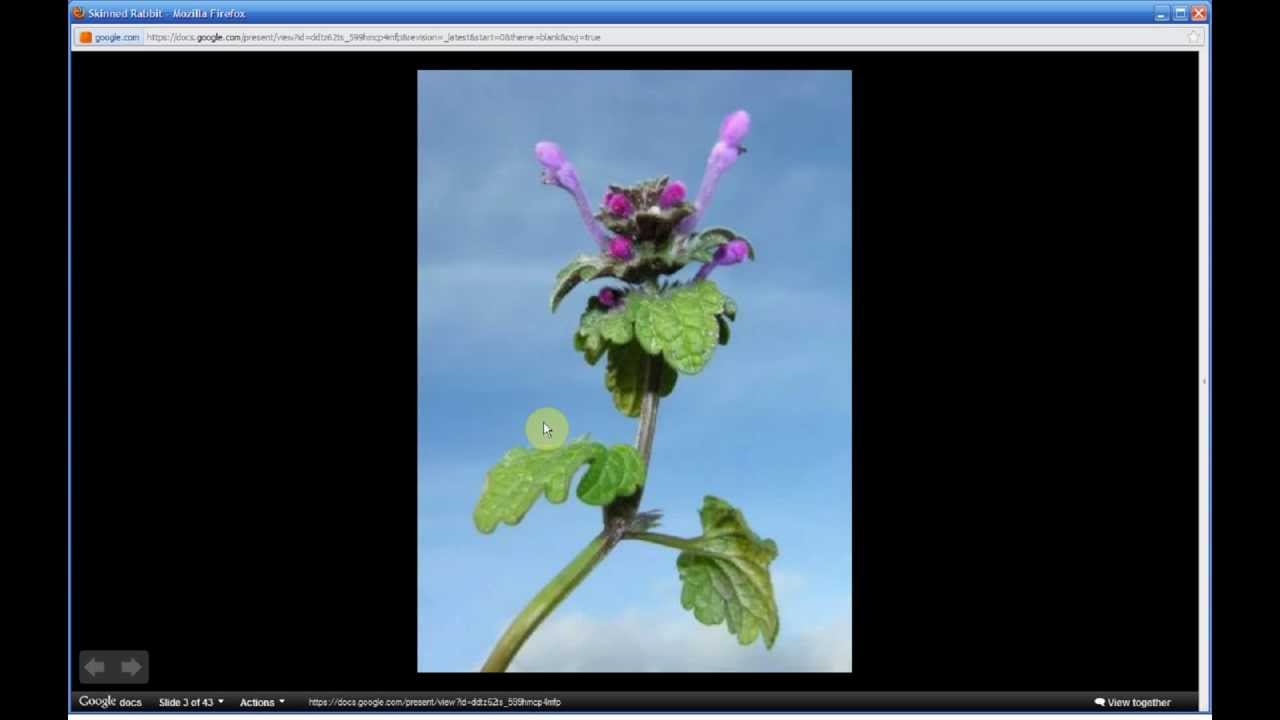
- Opposite, rounded to heart-shaped, with scalloped/rounded teeth.
- Lower leaves on petioles; upper leaves sessile and “clasping” the stem (the epithet amplexicaule = “stem-clasping”).
- Soft, somewhat hairy, but not stingy (unlike true nettles).
Flowers
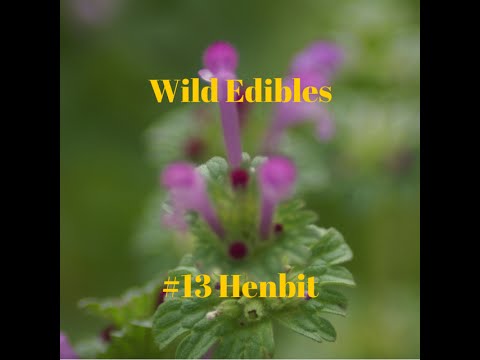
- Tubular, two-lipped, typically pink to purple.
- Arranged in whorls at the upper nodes, often forming a “tiered” look.
- Attractive to bees and other pollinators in early spring.
Habitat
- Lawns, garden beds, roadsides, waste places, sunny to partly shaded disturbed ground.
- In warm climates (e.g., Houston) it often appears in late fall, grows through winter, and flowers in late winter to spring.
Look-alikes / Confusions
- Purple dead-nettle (Lamium purpureum): similar, but with more triangular leaves and often strongly purple-tinted upper leaves that do not clasp the stem.
- True nettles (Urtica spp.): have stinging hairs and very different leaf/stem feel.
Constituents
Reported/likely constituents include:
- Flavonoids & flavonol glycosides – contribute to antioxidant activity and potential tyrosinase inhibition (skin/lightening and anti-browning relevance in vitro).
- Phenolic compounds – general antioxidant and anti-inflammatory potential.
- Tannins – astringent effect, mild antimicrobial support.
- Volatile compounds (typical of Lamiaceae) – contributing to aroma and mild spasmolytic/relaxant actions in some mints.
Note: Most detailed phytochemical work is limited; much traditional use is extrapolated from family-level patterns and small studies.
Medicinal Uses
Historically and in folk practice, henbit has been used as a mild, gentle remedy:
Traditional/folk applications
- Mild respiratory support – teas or infusions for coughs, colds, and mild fevers.
- Gentle nervine and relaxant – sometimes taken as a mild calming tea.
- Light diuretic and circulatory support – as a spring “cleansing” green.
- Mild astringent – for minor digestive upsets (loose stool, mild irritation).
Modern research
- Lamium amplexicaule showed growth inhibition of S. mutans in this study, suggesting potential relevance for:
- Oral health / dental plaque ecology
- Complementary approaches to caries prevention (still very preliminary)
- In vitro work suggests:
- Free radical scavenging (antioxidant) activity
- Tyrosinase inhibitory activity (relevant to pigmentation processes, more studied in cosmetic/food contexts than in clinical herbalism)
Clinical posture
- Generally regarded as a mild, food-like herb rather than a strong medicine.
- Often used as part of spring tonics, mixed wild-greens teas, or in formulas rather than as a primary, stand-alone remedy.
Safety & Contraindications
- Widely eaten as a food; no major toxicity reports in normal amounts.
- Avoid if:
- Individual allergy to Lamiaceae family plants is known/suspected.
- Herb is harvested from contaminated lawns/roadsides (pesticides, herbicides, heavy metals, pet waste, etc.).
- Pregnancy/lactation:
- No robust safety data. Culinary amounts are likely low risk, but avoid concentrated or long-term medicinal dosing without guidance.
Edibility
Abundance: common
Edible parts: leaves, young stems, and flowers
How to use
- Raw: in salads, as a garnish, or in mixed wild green dishes.
- Cooked: added to soups, stews, sautés, or egg dishes (e.g., frittatas, shakshuka).
- Tea/infusion: fresh or dried aerial parts in hot water.
Flavor profile
- Mild, slightly sweet to slightly green/herbal.
- Far less pungent than many mints; usually acceptable in quantity as a cooked green.
Where
- Sunny or partly sunny yards, garden beds, open disturbed urban areas, field edges.
- Always harvest from chemical-free, uncontaminated locations.
When
- Late fall, winter (in Houston), and spring – best harvested when young and tender, before plants become stringy or tough.
- Flowers are a visual cue of peak aboveground abundance.
Nutritional value (general pattern for wild greens)
- Vitamins (esp. A and C), minerals including iron, and assorted antioxidants.
- Useful as part of early-season fresh green intake when cultivated vegetables are less available.
Culinary Uses & Recipes
Basic preparation ideas
- Add chopped leaves and flowers to:
- Omelets, frittatas, or scrambled eggs
- Grain salads, pasta salads
- Pesto (alone or mixed with other greens)
- Use whole tender tops as:
- A last-minute addition to soups and stews
- A wilted green with garlic and olive oil
Specific recipes
- Henbit and dead nettle shakshuka: eggs, greens and feta in a spicy tomato sauce
- Vegetarian henbit, macadamia, and asiago pesto recipe
References & Media
Videos
- Lamium amplexicaule | Henbit (Part 1 of 2) – YouTube
- Lamium amplexicaule | Henbit (Part 2 of 2) – YouTube
- EatTheWeeds: Episode 14: Henbit, *Lamium amplexicaule* – YouTube
- How to Identify Henbit - Lamium amplexicaule
Key papers