Cell Cycle
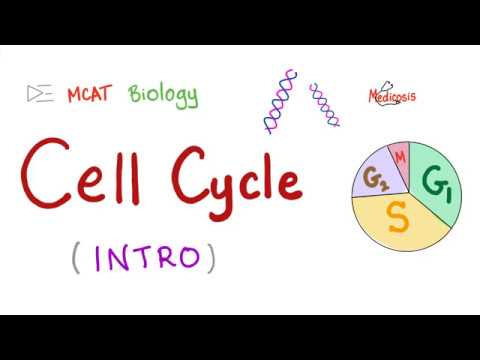
Part 1 Cell cycle regulation introduction
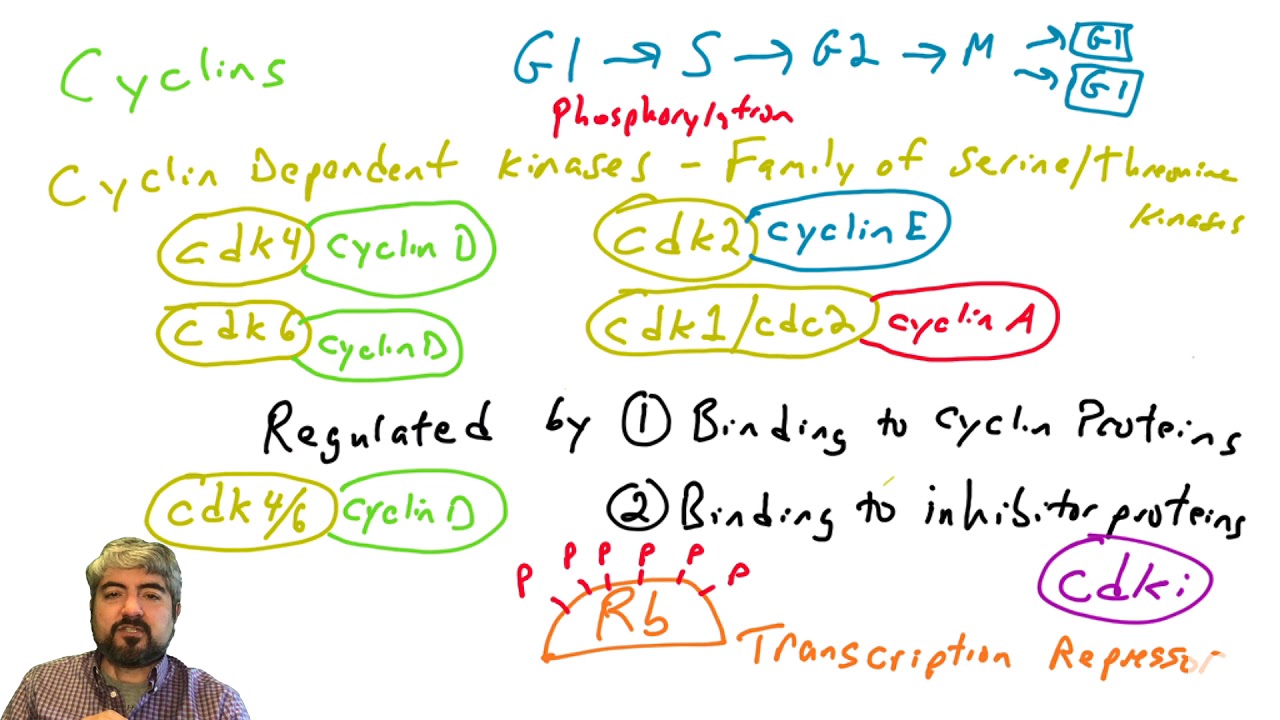
Part 2 the Cyclin D gene
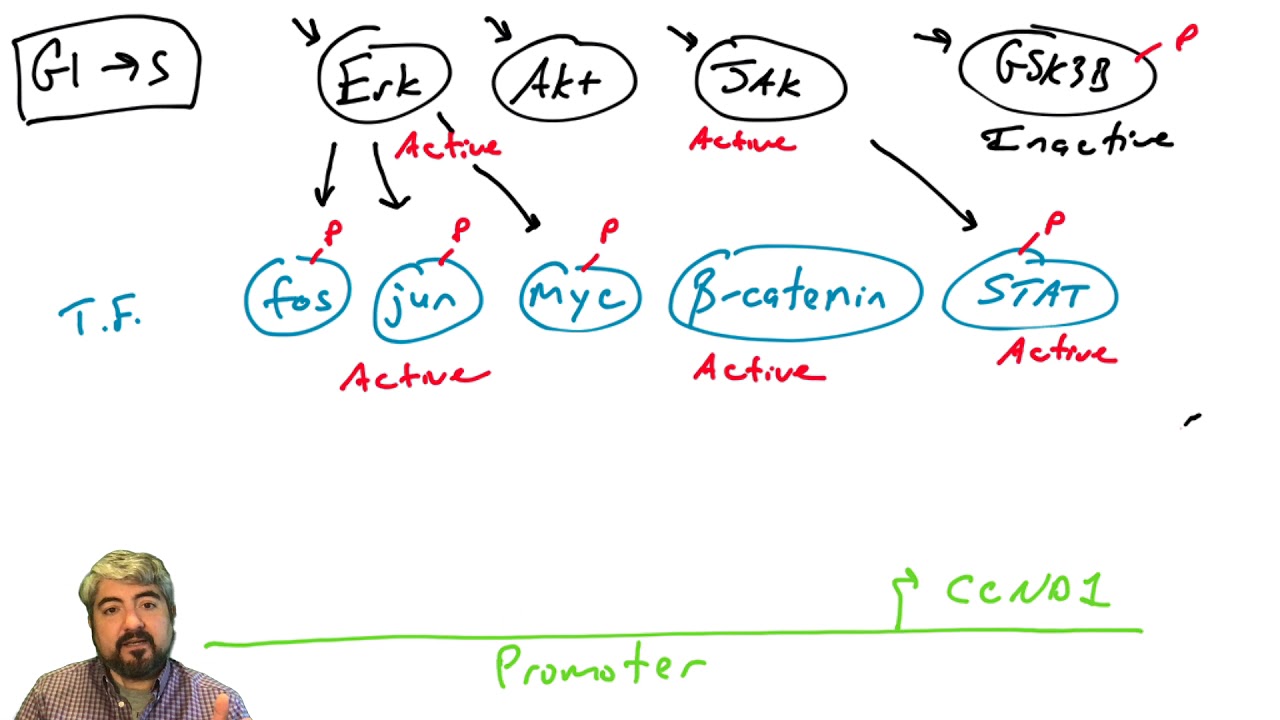
Part 3 Cell cycle regulation; cyclin D, cyclin E, and Rb
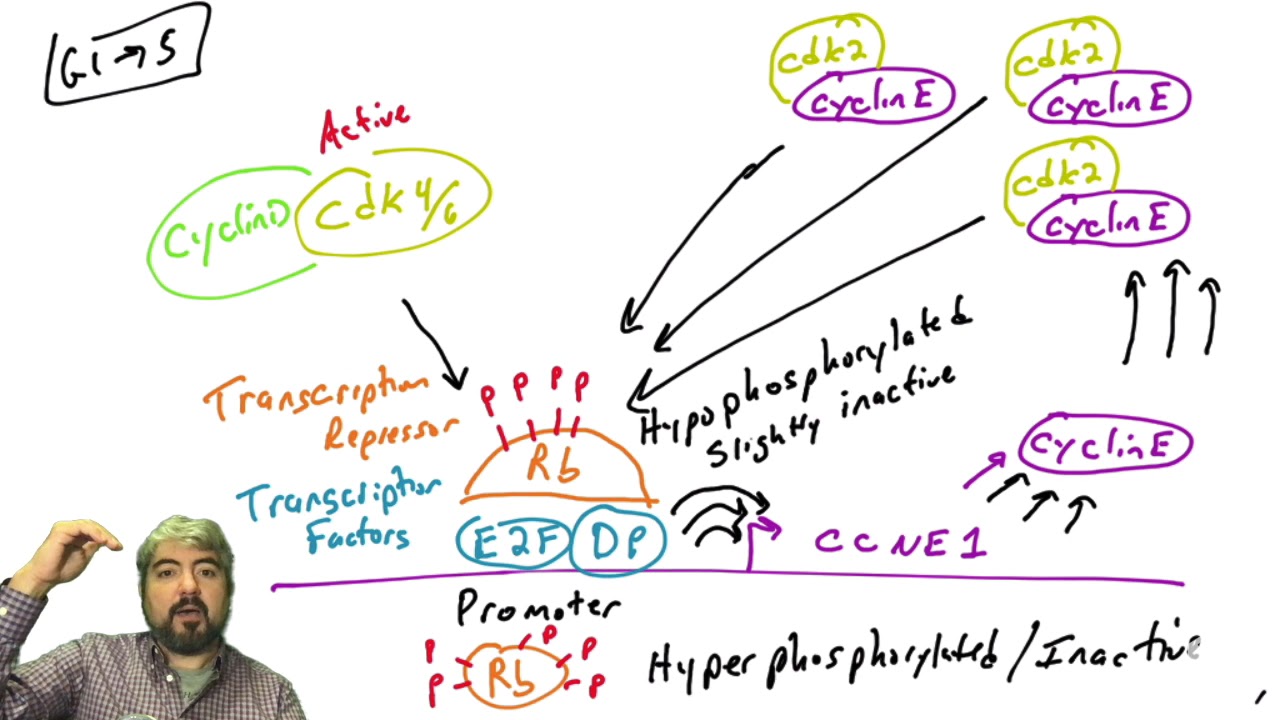

Checkpoints
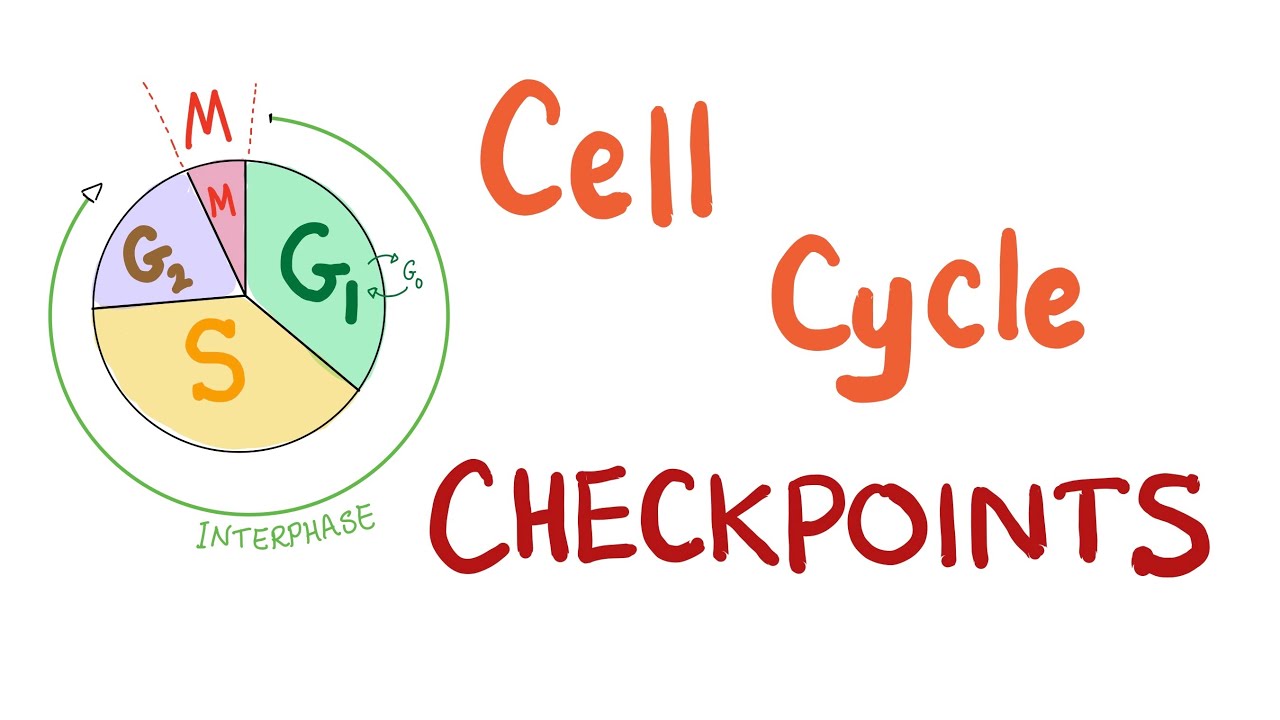
The cell cycle is a fundamental process that governs the life of a cell, enabling it to grow, replicate its DNA, and divide into two daughter cells. This cycle is crucial for growth, development, and maintenance of all living organisms. Understanding the cell cycle is essential for comprehending how cells function, how they contribute to the organism's development, and how abnormalities in the cycle can lead to diseases such as cancer.
Phases of the Cell Cycle
The cell cycle is divided into several distinct phases, each with specific functions and characteristics. These phases ensure that the cell's genetic material is accurately replicated and distributed to the daughter cells.
1. Interphase
Interphase is the longest phase of the cell cycle, during which the cell prepares for division. It is further subdivided into three stages:
- G1 Phase (Gap 1): During this phase, the cell grows in size and synthesizes proteins and organelles. It is a period of intense biochemical activity where the cell performs its normal functions. The G1 phase is crucial for ensuring that the cell is ready for DNA replication.
- S Phase (Synthesis): In this phase, DNA replication occurs. Each chromosome is duplicated, resulting in two sister chromatids held together by a centromere. This phase is critical for ensuring that each daughter cell receives an identical set of genetic information.
- G2 Phase (Gap 2): The cell continues to grow and produce proteins necessary for mitosis. It is a checkpoint phase where the cell ensures that DNA replication has been completed successfully and that the cell is ready to enter mitosis.
2. Mitotic Phase (M Phase)
The mitotic phase is where the actual cell division occurs. It is divided into two main processes:
- Mitosis: This process involves the division of the cell's nucleus and is further divided into several stages:
1. Prophase: Chromosomes condense and become visible. The nuclear envelope begins to disintegrate, and the mitotic spindle starts to form.
2. Metaphase: Chromosomes align at the cell's equatorial plane, known as the metaphase plate. The spindle fibers attach to the centromeres of the chromosomes.
3. Anaphase: Sister chromatids are pulled apart by the spindle fibers and move toward opposite poles of the cell.
4. Telophase: Chromatids reach the poles, and the nuclear envelope re-forms around each set of chromosomes, resulting in two separate nuclei.
- Cytokinesis: This process follows mitosis and involves the division of the cytoplasm, resulting in two distinct daughter cells. In animal cells, a cleavage furrow forms, while in plant cells, a cell plate develops to separate the two new cells.
Regulation of the Cell Cycle
The cell cycle is tightly regulated by a series of checkpoints and proteins to ensure that each phase is completed accurately before the next one begins. Key regulatory proteins include cyclins and cyclin-dependent kinases (CDKs), which work together to control the progression of the cell cycle.
Checkpoints
There are three main checkpoints in the cell cycle:
- G1 Checkpoint: Also known as the restriction point, this checkpoint assesses whether the cell has adequate resources and is ready for DNA synthesis. If conditions are unfavorable, the cell may enter a resting state known as G0.
- G2 Checkpoint: This checkpoint ensures that DNA replication has been completed successfully and that the cell is ready to enter mitosis. It checks for DNA damage and repairs it before proceeding.
- M Checkpoint (Spindle Checkpoint): This checkpoint occurs during metaphase and ensures that all chromosomes are properly attached to the spindle apparatus before anaphase begins.
Importance of the Cell Cycle
The cell cycle is essential for various biological processes, including:
- Growth and Development: The cell cycle allows organisms to grow and develop by increasing the number of cells.
- Tissue Repair and Regeneration: It enables the replacement of damaged or dead cells, maintaining tissue integrity.
- Reproduction: In unicellular organisms, the cell cycle is a means of reproduction, resulting in two identical offspring.
Cell Cycle and Cancer
Abnormalities in the cell cycle can lead to uncontrolled cell division, a hallmark of cancer. Mutations in genes that regulate the cell cycle, such as tumor suppressor genes and oncogenes, can disrupt normal cell cycle control and lead to tumor formation. Understanding the cell cycle is crucial for developing targeted cancer therapies that can inhibit the proliferation of cancer cells.