Amphetamines
For (milder) natural alternatives see Natural CNS Stimulants
Videos
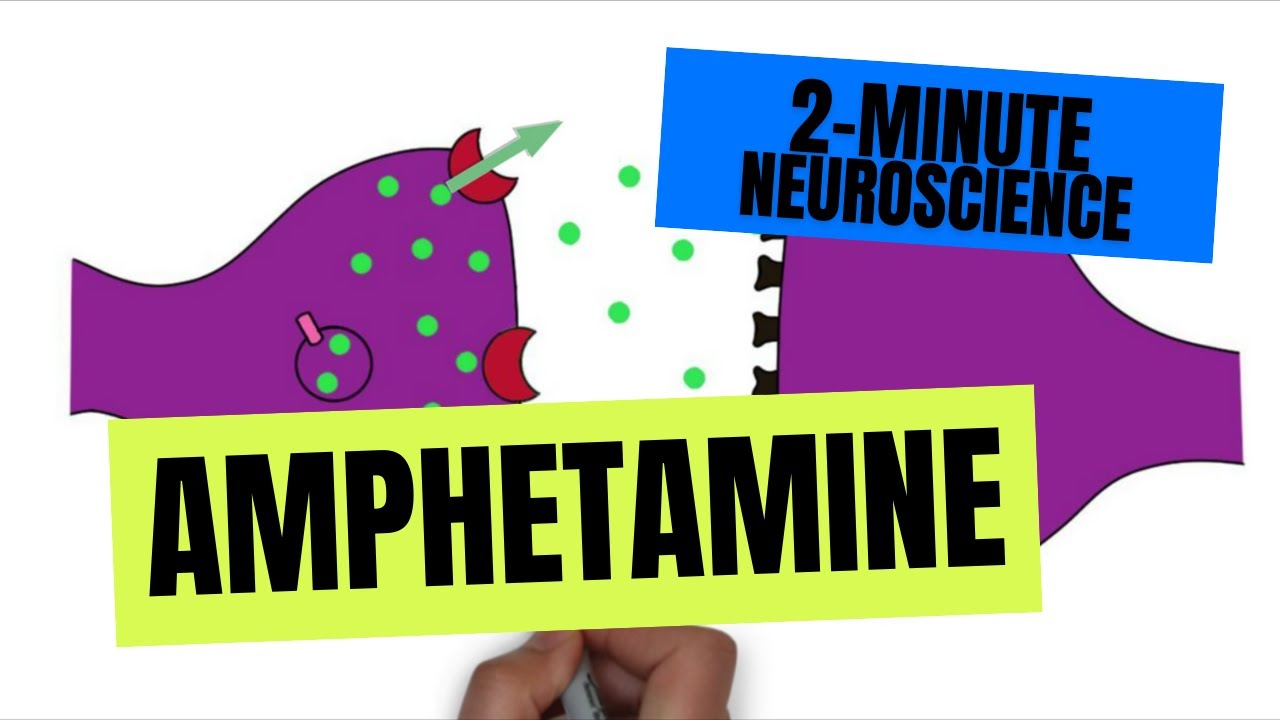
Amphetamine Changes You
Autonomic Pharmacology - Amphetamine and Ephedrine
Mechanism of Action of Amphetamine, Cocaine and Ephedrine
Amphetamines and History
The Crash Cycle with Amphetamines
Amphetamines Lecture
Why Students Should Think Twice Before Taking Amphetamines
Amphetamines are a class of potent central nervous system stimulants that are used both medically and recreationally. They are known for their ability to increase energy, focus, and alertness, making them effective in treating certain medical conditions but also prone to misuse and addiction.
Medical Uses of Amphetamines
Amphetamines have several legitimate medical applications. They are primarily prescribed for:
- Attention Deficit Hyperactivity Disorder (ADHD): Amphetamines help increase attention and decrease impulsiveness and hyperactivity in patients with ADHD. Medications like Adderall and Vyvanse are common amphetamine-based treatments.
- Narcolepsy: This sleep disorder, characterized by excessive daytime sleepiness, is often treated with amphetamines to help maintain wakefulness.
- Obesity: In some cases, amphetamines are used as short-term treatments for obesity due to their appetite-suppressing effects.
Mechanism of Action
Amphetamines work by increasing the levels of certain neurotransmitters in the brain, primarily dopamine and norepinephrine. These chemicals are associated with pleasure, attention, and the fight-or-flight response. By enhancing their activity, amphetamines can improve concentration and reduce fatigue.
Potential for Abuse and Addiction
While amphetamines have legitimate medical uses, they also have a high potential for abuse and addiction. The euphoric effects they produce can lead to recreational use, which often results in:
- Tolerance: Over time, users may require higher doses to achieve the same effects.
- Dependence: Regular use can lead to physical and psychological dependence.
- Withdrawal Symptoms: When use is reduced or stopped, individuals may experience fatigue, depression, and sleep disturbances.
Side Effects
The use of amphetamines can lead to a range of side effects, some of which can be severe. Common side effects include:
- Increased heart rate and blood pressure
- Insomnia
- Dry mouth
- Anxiety and restlessness
- Loss of appetite
- Amphetamines damage the thyroid.
- Potential causes of brain hypoxia include use of drugs such as cocaine and other amphetamines.
- Altered Thermoregulatory Mechanisms - sympathomimetic agents (cocaine, MDMA, amphetamines): act centrally on the hypothalamus.
- Drugs of the amphetamine class have been observed to induce erectile dysfunction.
- Treatment with amphetamine causes a reduction in vesicle content.
In extreme cases, high doses or prolonged use can lead to more serious health issues such as cardiovascular problems, severe psychological effects, and even psychosis.
Legal Status and Regulation
Amphetamines are classified as Schedule II controlled substances in the United States, indicating they have a high potential for abuse but also have accepted medical uses. This classification means that while they are available by prescription, their distribution is tightly regulated.
Historical Context
Amphetamines were first synthesized in the late 19th century, but their stimulant properties were not discovered until the 1920s. During World War II, they were widely used by military personnel to enhance alertness and endurance. Post-war, their use expanded into the civilian population, leading to widespread misuse and the eventual implementation of stricter regulations.
Current Trends and Concerns
In recent years, there has been a growing concern over the misuse of prescription amphetamines, particularly among students and professionals seeking to enhance cognitive performance. This trend has sparked debates about the ethical implications of using such drugs for non-medical purposes and the pressures that drive individuals to seek performance-enhancing substances.
Articles/Studies
Amphetamines Polluting Some Urban Streams: Study
Illicit Amphetamine Use Linked to 5-Fold Heightened Risk of Psychosis
Lobeline inhibits the neurochemical and behavioral effects of amphetamine.
Lobelia may reduce psychostimulant (e.g. amphetamine) abuse.
L-5-hydroxytryptophan attenuates positive psychotic symptoms induced by D-amphetamine.