Vyvanse
Vyvanse: An Overview of Attention Deficit Hyperactivity Disorder (ADHD) and Stimulants
Precautions
Administration and side effects
My Elvanse (Vyvanse) Experience 💊 3 Month Update
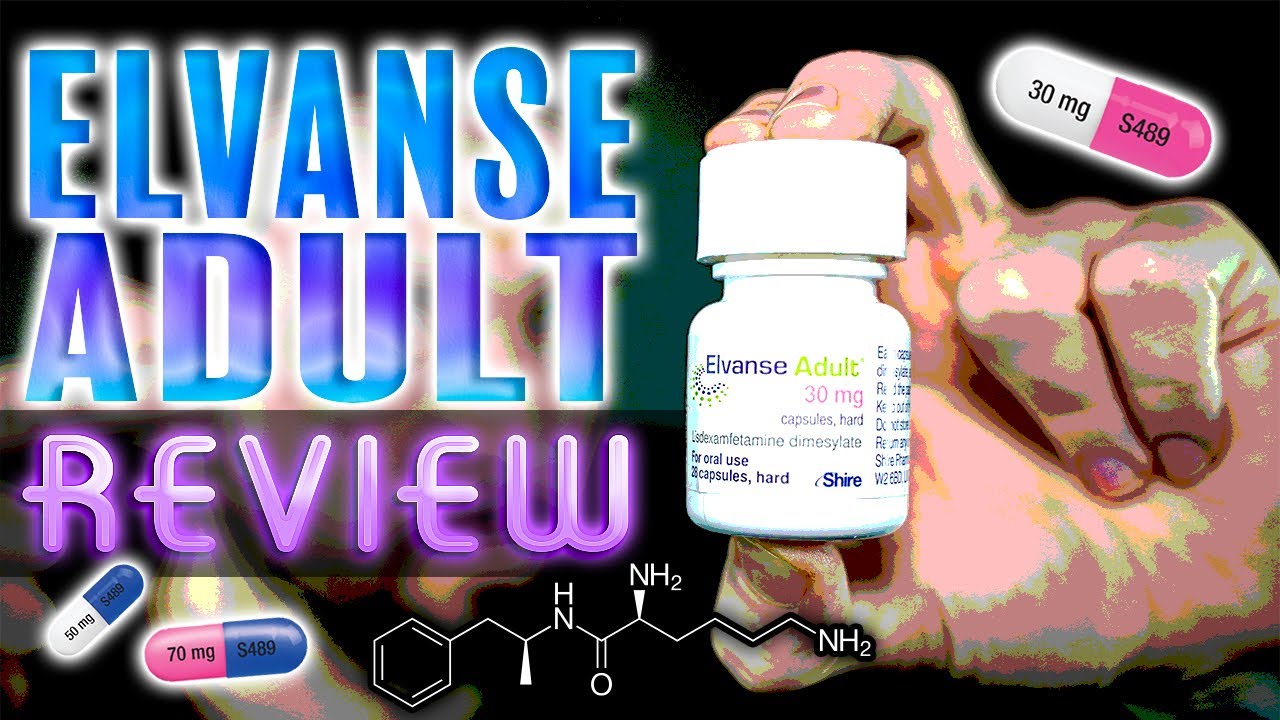
Vyvanse (Generic Name: lisdexamfetamine dimesylate) is a once-daily, timed-release stimulant ADHD medication primarily used to treat attention deficit hyperactivity disorder (ADHD or ADD) in children ages 6-12, adolescents, and adults. Vyvanse is not a narcotic, but according to the FDA, it is a federally controlled substance (CII) because it can be abused or lead to dependence. It is an amphetamine.
Vyvanse may improve focus for people with inattentive ADHD (aka ADD), and decrease impulsivity and hyperactive behavior — hallmark ADHD symptoms for many patients. It is not known if it is safe for children under the age of 6. Vyvanse has been available since 2007, when the FDA approved the medication for the treatment of ADHD.
Difference between Adderall & Vyvanse: Both drugs are derivatives of amphetamines. The difference between the drugs is Adderall contains amphetamine salts (amphetamine and dextroamphetamine), whereas Vyvanse contains lisdexamfetamine, which the body converts to dextroamphetamine before it is active, meaning it's a "prodrug."
Vyvanse works by altering the balance of chemicals in your brain and increasing norepinephrine and dopamine levels. Norepinephrine is a stimulant, and dopamine is a naturally occurring substance that stimulates feelings of pleasure and reward. If you have ADHD, you may notice an improvement in your attention span.
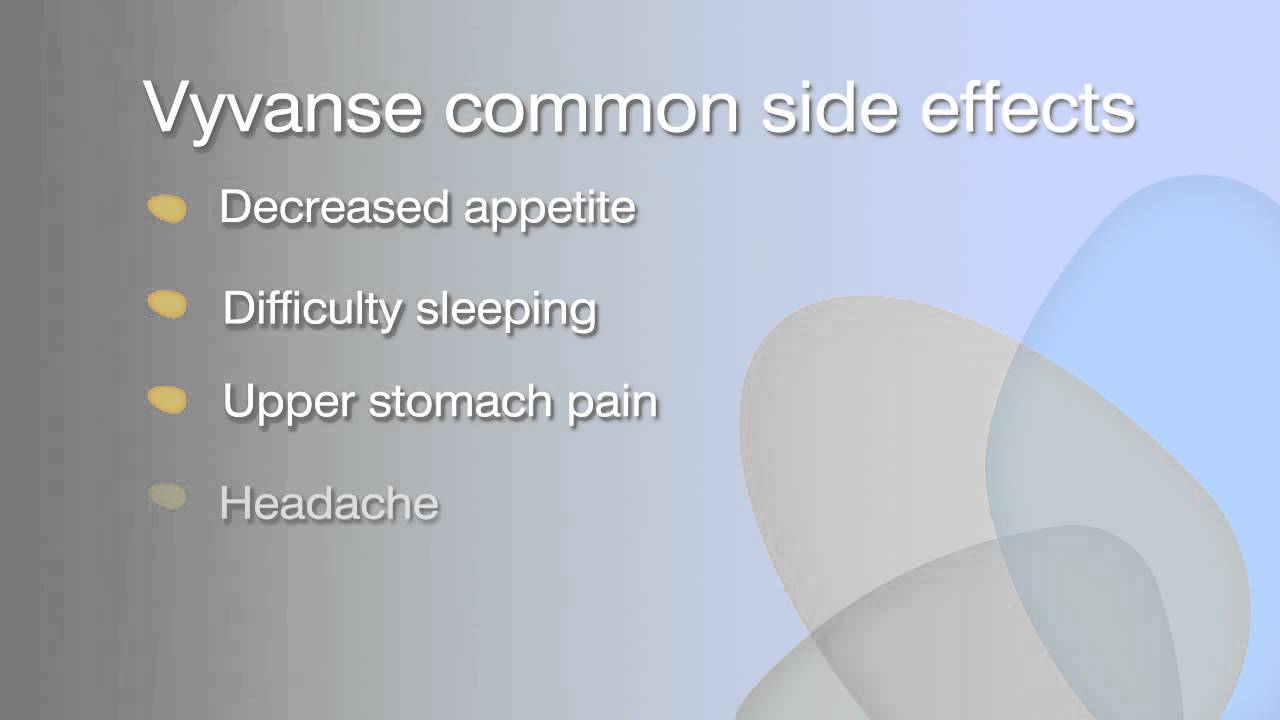
The most serious side effects of Vyvanse include:
- Psychiatric problems such as anxiety, aggression, or mania.
- Neurological disorders such as tics, seizures, or serotonin syndrome.
- Heart problems such as rapid heartbeat, heart attack, and sudden death in people with heart problems.
Common medications that may interact with Vyvanse include:
- antacids, such as those that contain aluminum
- anticoagulants (blood thinners), such as warfarin, or other drugs that have blood-thinning effects such as aspirin or NSAIDs
- anticonvulsants, such as phenytoin, phenobarbital, or primidone
- antidepressants, such as tricyclic antidepressants (eg, amitriptyline), monoamine oxidase inhibitors (eg, isocarboxazid, phenelzine, and tranylcypromine), or SSRIs (eg, citalopram, fluoxetine, sertraline)
- antipsychotics (such as butyrophenones, phenothiazines, or thioxanthenes) and atypical antipsychotics (eg, olanzapine, quetiapine, ziprasidone)
- any medication that may cause drowsiness, such as benzodiazepines (eg, diazepam, lorazepam), first-generation antihistamines (such as doxylamine or promethazine), metoclopramide, or opioids (such as codeine, morphine)
- beta-blockers, such as atenolol, labetalol or metoprolol
- bupropion
- cold, flu, or allergy medications that contain decongestants such as phenylephrine or pseudoephedrine
- diet medications, such as benzphetamine, dexfenfluramine, or phentermine
- diuretics such as furosemide
- drugs of abuse, such as cocaine
- duloxetine
- heart medications such as doxazosin, prazosin, clonidine or methyldopa
- HIV medications (fosamprenavir, ritonavir)
- linezolid
- medications that increase or decrease the pH of the stomach or urinary tracts, such as PPIs (eg, omeprazole, pantoprazole), sodium bicarbonate, acetazolamide, ascorbic acid, or ammonium chloride
- medications that inhibit CYP2D6 enzymes
- medications that make the urine more acidic, such as vitamin C, or more alkaline, such as sodium bicarbonate
- other medications that affect serotonin, such as amphetamines, fentanyl, lithium, tramadol, triptans (eg, almotriptan, eletriptan, or sumatriptan), or St. John's Wort
- propoxyphene
- selegiline.