Toad Rush
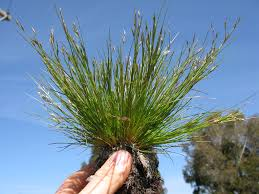
Toad Rush, scientifically known as Juncus bufonius, is a fascinating plant species that belongs to the Juncaceae family. This annual herb is widely distributed across various regions of the world, thriving in a range of habitats from wetlands to disturbed soils.
Botanical Description
Juncus bufonius is a small, tufted annual plant that typically grows to a height of 5 to 30 centimeters. It has slender, cylindrical stems that are often branched at the base. The leaves are narrow, grass-like, and can be either basal or cauline (arising from the stem). One of the distinguishing features of Toad Rush is its inflorescence, which consists of small, greenish-brown flowers arranged in loose clusters. Each flower has six tepals (three sepals and three petals that are similar in appearance), six stamens, and a single pistil.
Habitat and Distribution
Toad Rush is a cosmopolitan species, meaning it is found in many parts of the world. It is native to Europe, Asia, and North America but has also been introduced to other regions, including Australia and New Zealand. This plant is highly adaptable and can grow in a variety of environments, from wet meadows and marshes to roadside ditches and agricultural fields. It prefers moist, sandy, or loamy soils and can tolerate both acidic and alkaline conditions.
Life Cycle and Reproduction
As an annual plant, Juncus bufonius completes its life cycle within a single growing season. It germinates from seeds in the spring, grows and matures during the summer, and produces seeds in the late summer or early fall. The seeds are small and light, allowing them to be easily dispersed by wind, water, or animals. This effective seed dispersal mechanism contributes to the plant's widespread distribution and ability to colonize new areas.
Ecological Importance
Toad Rush plays a significant role in its ecosystem. It provides habitat and food for various insects, including pollinators such as bees and butterflies. The plant's dense root system helps stabilize soil and prevent erosion, particularly in wetland areas. Additionally, Juncus bufonius can be an indicator species for certain environmental conditions, such as soil moisture levels and nutrient availability.
Uses and Applications
While Toad Rush is not commonly used in traditional medicine or agriculture, it has some practical applications. In ecological restoration projects, Juncus bufonius can be used to revegetate disturbed soils and restore wetland habitats. Its ability to grow in a range of conditions makes it a valuable species for such efforts. Additionally, the plant can be used in scientific research to study plant adaptation and colonization processes.
Challenges and Management
Despite its ecological benefits, Toad Rush can sometimes be considered a weed, particularly in agricultural settings. Its ability to rapidly colonize disturbed soils can lead to competition with crops and other desirable plants. Managing Juncus bufonius in such contexts often involves a combination of mechanical, chemical, and cultural control methods. For example, regular mowing or tilling can help reduce the plant's presence, while herbicides may be used in more severe cases. However, it is important to approach management with caution to avoid negative impacts on non-target species and the broader ecosystem.