Nausea
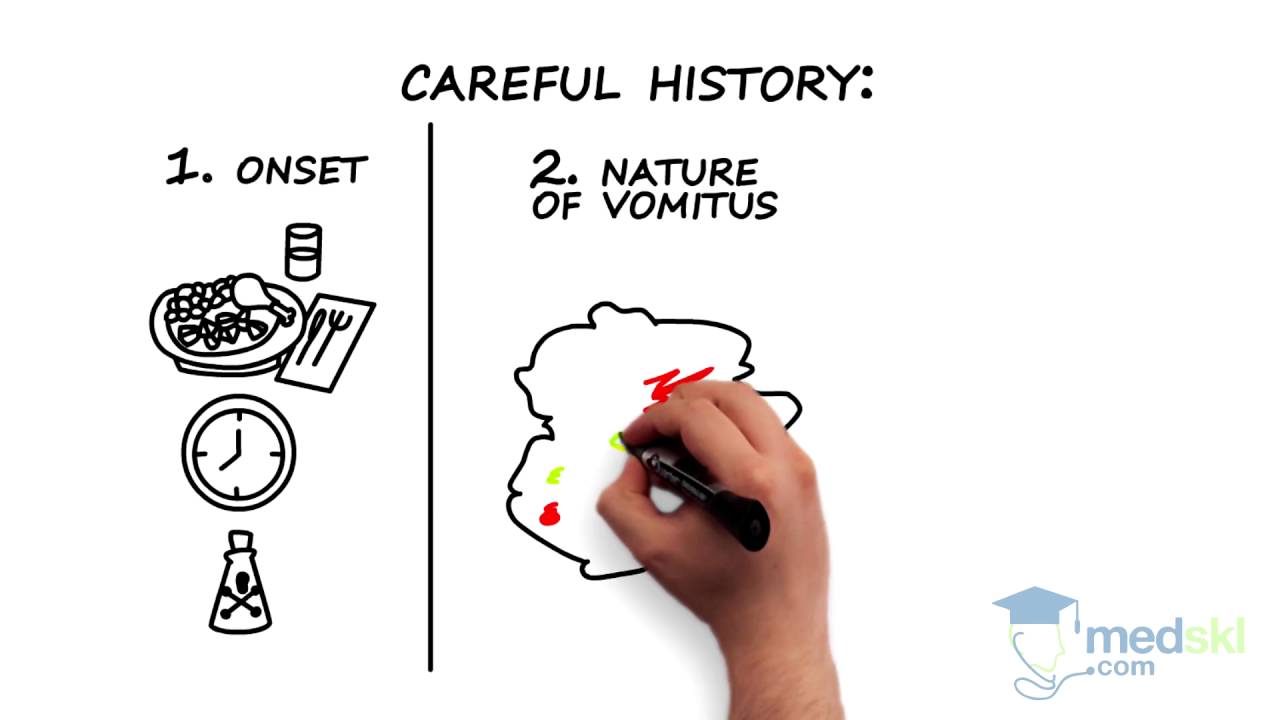

A Clinical Approach to Nausea and Vomiting
Nausea is a symptom rather than a disease state. A number of herbs can be used successfully to give relief. If nausea is traceable to poor liver function, then the treatment approach should include choleretic herbs such as barberry, milk thistle and dandelion root. Other herbs that can provide symptomatic relief in cases of nausea include ginger, peppermint, chamomile, black horehound and meadowsweet. If herbs are used to prevent motion sickness they should be taken one hour before travel. Ginger is particularly effective for all forms of motion sickness and for morning sickness. Herbs should not be administered orally to people who are vomiting.
The gut immune system can produce nausea through several mechanisms involving the gut-brain axis:
- Inflammatory response: When the gut immune system detects pathogens or harmful substances, it initiates an inflammatory response. This inflammation can stimulate vagal afferent nerves, sending signals to the brain's emetic centers and triggering nausea 6.
- Release of inflammatory mediators: The immune response in the gut leads to the release of cytokines and other inflammatory mediators. These substances can act on the vagus nerve or enter the bloodstream, affecting the area postrema in the brain, which can induce nausea 6.
- Alterations in gut motility: The immune response can affect the enteric nervous system, leading to changes in gut motility. This can result in delayed gastric emptying or altered intestinal contractions, contributing to feelings of nausea 5.
- Activation of the HPA axis: Gut inflammation can activate the hypothalamic-pituitary-adrenal (HPA) axis, leading to the release of stress hormones. This activation can contribute to nausea and other gastrointestinal symptoms 3.
- Neurotransmitter imbalance: The immune response in the gut can affect the production and balance of neurotransmitters like serotonin, which plays a role in gut motility and nausea signaling 6.
- Disruption of the gut microbiome: Immune responses can alter the gut microbiota composition, which in turn can affect gut-brain communication and potentially contribute to nausea 7.
These mechanisms highlight the complex interplay between the gut immune system, the nervous system, and the brain in producing nausea as a symptom of gastrointestinal distress or systemic illness.
How Mast Cells Interact with Neurons to Cause Nausea
Mast cells in the gut interact with neurons to cause nausea through several mechanisms:
- Proximity to nerve endings: Mast cells are strategically located close to sensory nerve endings in the gut mucosa, allowing for direct communication 2.
- Release of inflammatory mediators: When activated, mast cells release various inflammatory mediators such as histamine, prostaglandin D2, and proteases. These substances can directly stimulate and sensitize nearby neurons 2 4.
- Neuronal activation: Mast cell-derived mediators like histamine and tryptase can activate enteric nerves, leading to neuronal hyperexcitability 2.
- Sensitization of nociceptors: The mediators released by mast cells can sensitize silent nociceptors in the large intestine, lowering the threshold for pain and discomfort 2.
- Vagal and spinal afferent stimulation: Receptors for mast cell mediators are present on vagal and spinal sensory afferent neurons, which can contribute to the sensation of nausea and abdominal pain 2.
- Stress-induced activation: Mast cells are sensitive to both acute and chronic stress. Stress can induce mast cell activation, leading to the release of mediators that affect gut motility, visceral sensitivity, and barrier function 2.
- Bidirectional communication: The anatomical connections between mast cells and enteric nerve fibers allow for bidirectional communication between the central nervous system and the intestinal tract 2.
- Activation of the emetic reflex: Histamine released from intestinal mast cells contributes to the emetic reflex, potentially triggering nausea and vomiting 4.
Treatments
If ten drops of lobelia tincture is mixed into a half glass of water and a teaspoonful given every 10 or 15 minutes, it can be an effective cure for nausea and persistent vomiting.
Eating olives can help relieve nausea due to the tannins they contain.
Deep Breathing Exercise for Nausea
Clinical Patterns for Nausea and Vomiting
- Chronic episodes of nausea but no vomiting
- Acute vomiting syndrome (24 hours or less)
- Vomiting without nausea (regurgitation, rumination)
- Chronic episodic nausea & vomiting (normal between episodes)