Grassleaf Rush
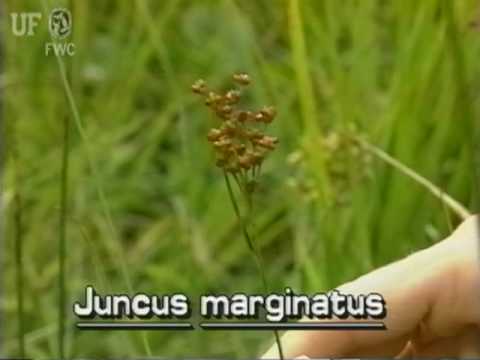
Grassleaf Rush, scientifically known as Juncus marginatus, is a perennial plant belonging to the Juncaceae family. This species is commonly found in wetland areas across North America, particularly in the eastern United States. It thrives in moist, sandy, or peaty soils and is often seen in marshes, wet meadows, and along the edges of ponds and streams.
Characteristics
Grassleaf Rush is a herbaceous plant that typically grows to a height of 1 to 3 feet. It is characterized by its slender, grass-like leaves and stems. The leaves are narrow, flat, and can reach up to 12 inches in length. The stems are cylindrical, smooth, and green, often with a reddish tinge at the base.
The plant produces small, inconspicuous flowers that are clustered in loose, open inflorescences. Each flower has six tepals (three sepals and three petals that are similar in appearance), which are typically brownish or greenish in color. The flowering period extends from late spring to early fall, and the flowers are followed by small, capsule-like fruits that contain numerous tiny seeds.
Habitat
Grassleaf Rush is well-adapted to wetland environments and can tolerate a range of hydrological conditions. It is commonly found in:
- Marshes
- Wet meadows
- Bogs
- Swamps
- Along the edges of ponds, lakes, and streams
The plant prefers full sun to partial shade and thrives in acidic to neutral soils. It is often associated with other wetland species such as sedges, cattails, and various types of grasses.
Ecological Significance
Grassleaf Rush plays a crucial role in wetland ecosystems. Some of its ecological contributions include:
- Erosion Control: The dense root system of Grassleaf Rush helps stabilize soil and prevent erosion along water bodies.
- Habitat: It provides habitat and shelter for various wetland wildlife, including insects, amphibians, and small mammals.
- Water Filtration: The plant aids in filtering and purifying water by trapping sediments and absorbing nutrients, thus improving water quality.
- Biodiversity: Grassleaf Rush contributes to the biodiversity of wetland areas by supporting a variety of plant and animal species.
Uses
While Grassleaf Rush is not widely known for its economic uses, it has several applications in conservation and landscaping:
- Wetland Restoration: Due to its ability to thrive in wet conditions and stabilize soil, Grassleaf Rush is often used in wetland restoration projects.
- Erosion Control: It is planted along the banks of streams and ponds to prevent soil erosion.
- Wildlife Habitat: The plant is used to create or enhance habitats for wetland wildlife.
- Ornamental Use: Grassleaf Rush can be used in naturalistic landscaping designs, particularly in rain gardens and water features.
Conservation Status
Grassleaf Rush is not currently listed as a threatened or endangered species. However, like many wetland plants, it faces threats from habitat loss and degradation due to human activities such as development, agriculture, and pollution. Conservation efforts aimed at protecting wetland habitats are essential for the continued survival of this species.
Identification Tips
For those interested in identifying Grassleaf Rush in the field, here are some key features to look for:
- Slender, grass-like leaves and stems
- Cylindrical, smooth stems with a reddish base
- Small, brownish or greenish flowers in loose, open clusters
- Habitat in wet, sandy, or peaty soils