Lichens
Identification Methods
Lichens for Survival
Tips for eating:

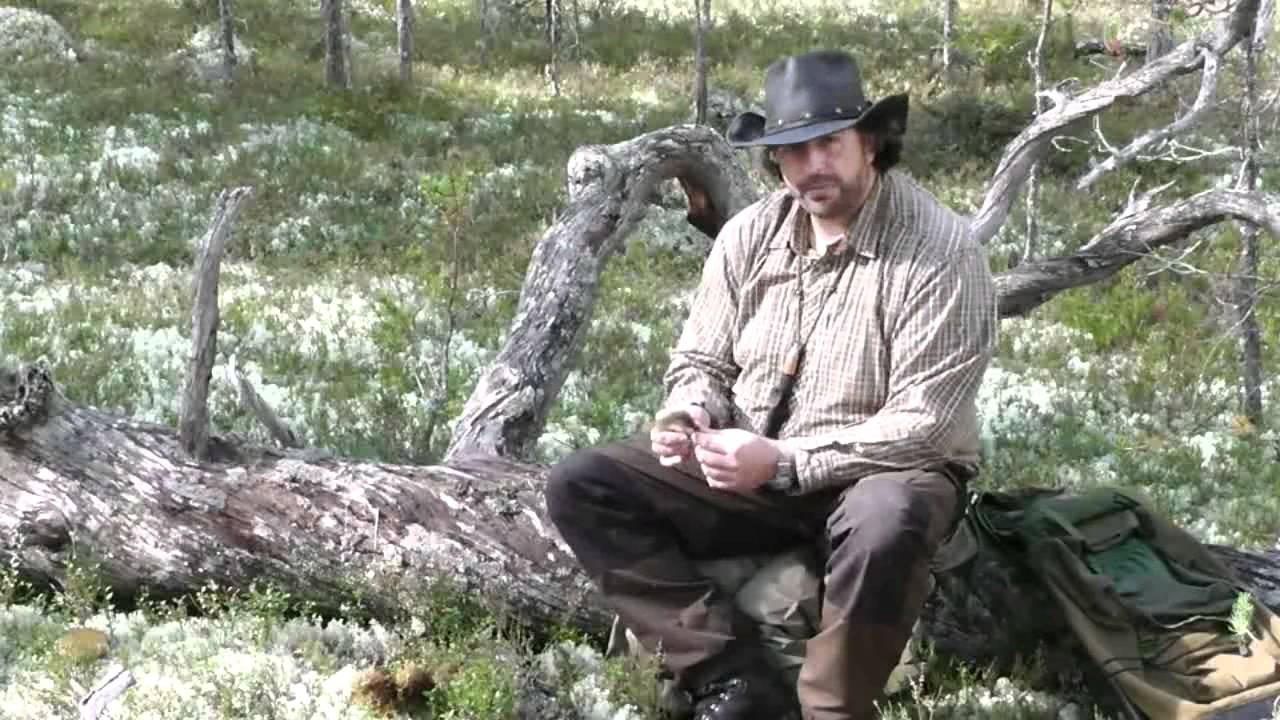
Lichens are traditionally only thought of as “survival food” because they require some processing before being edible.
Some are toxic.
Lichens are complex organisms that represent a symbiotic relationship between a fungus and a photosynthetic partner, usually algae or cyanobacteria. This unique partnership allows lichens to thrive in some of the most extreme environments on Earth, from arid deserts to the icy tundra.
Structure and Composition
Lichens are composed of two main partners:
- Fungus (Mycobiont): The fungal component provides the structure and protection for the lichen. It forms the bulk of the lichen's body, known as the thallus.
- Photosynthetic Partner (Photobiont): This can be either green algae or cyanobacteria. The photobiont is responsible for photosynthesis, producing the nutrients necessary for the lichen's survival.
The thallus can take on various forms, including:
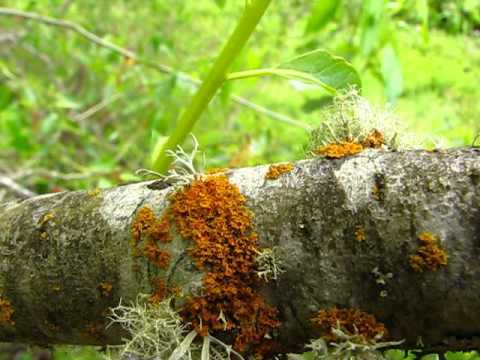
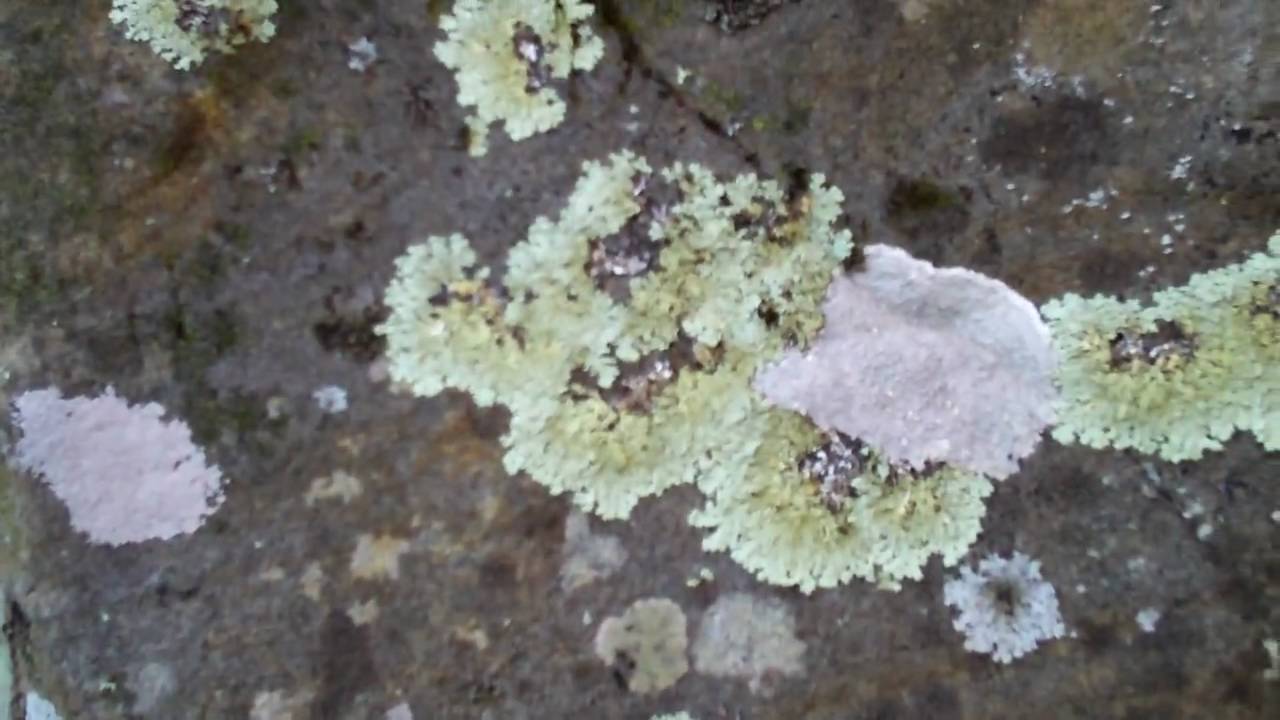
- Crustose: Crust-like and tightly attached to the substrate.
- Foliose: Leaf-like with a flat, lobed structure.
- Fruticose: Shrub-like with a branched, three-dimensional structure.
Ecological Importance
Lichens play several crucial roles in ecosystems:
- Pioneers in Succession: Lichens are often the first organisms to colonize bare rock or soil, initiating the process of ecological succession.
- Soil Formation: By breaking down rocks through chemical and physical means, lichens contribute to soil formation.
- Nutrient Cycling: Lichens can fix atmospheric nitrogen, enriching the soil and benefiting other plants.
- Habitat and Food Source: They provide habitat and food for various microorganisms, invertebrates, and even some larger animals like reindeer.
Environmental Indicators
Lichens are highly sensitive to environmental changes, making them excellent bioindicators:
- Air Quality: Lichens are particularly sensitive to air pollution, especially sulfur dioxide. A decline in lichen diversity often indicates poor air quality.
- Climate Change: Changes in lichen distribution and health can signal shifts in climate patterns.
Human Uses
Throughout history, humans have found various uses for lichens:
- Dyes and Pigments: Lichens have been used to produce natural dyes for textiles.
- Traditional Medicine: Some cultures use lichens for their medicinal properties, including antimicrobial and anti-inflammatory effects.
- Food: In some regions, lichens are consumed as food, although they are not a significant dietary component.
Reproduction and Growth
Lichens reproduce both sexually and asexually:
- Sexual Reproduction: The fungal partner produces spores through sexual reproduction. These spores must find a compatible photobiont to form a new lichen.
- Asexual Reproduction: Lichens can reproduce asexually through fragmentation or the production of specialized structures called soredia and isidia, which contain both fungal and algal cells.
Lichen growth is generally slow, often only a few millimeters per year. This slow growth rate makes them particularly vulnerable to environmental disturbances.
Challenges and Conservation
Lichens face several challenges that threaten their survival:
- Pollution: Air pollution, particularly from industrial sources, can severely impact lichen populations.
- Habitat Loss: Deforestation, urbanization, and other forms of habitat destruction reduce the available substrate for lichens.
- Climate Change: Shifts in temperature and precipitation patterns can alter lichen habitats and affect their growth and distribution.
Conservation efforts for lichens include:
- Monitoring Air Quality: Using lichens as bioindicators to monitor and improve air quality.
- Protecting Habitats: Preserving natural habitats and reducing deforestation and urban sprawl.
- Research and Education: Increasing awareness and understanding of lichens through research and public education.
Articles/Studies
Lichens represent a reservoir of compounds with anti-biofilm potential
Lichen or Moss - that is the hard question... also for science editors