Heartbeat & Pulse
Return to Heart Anatomy / Physiology Menu
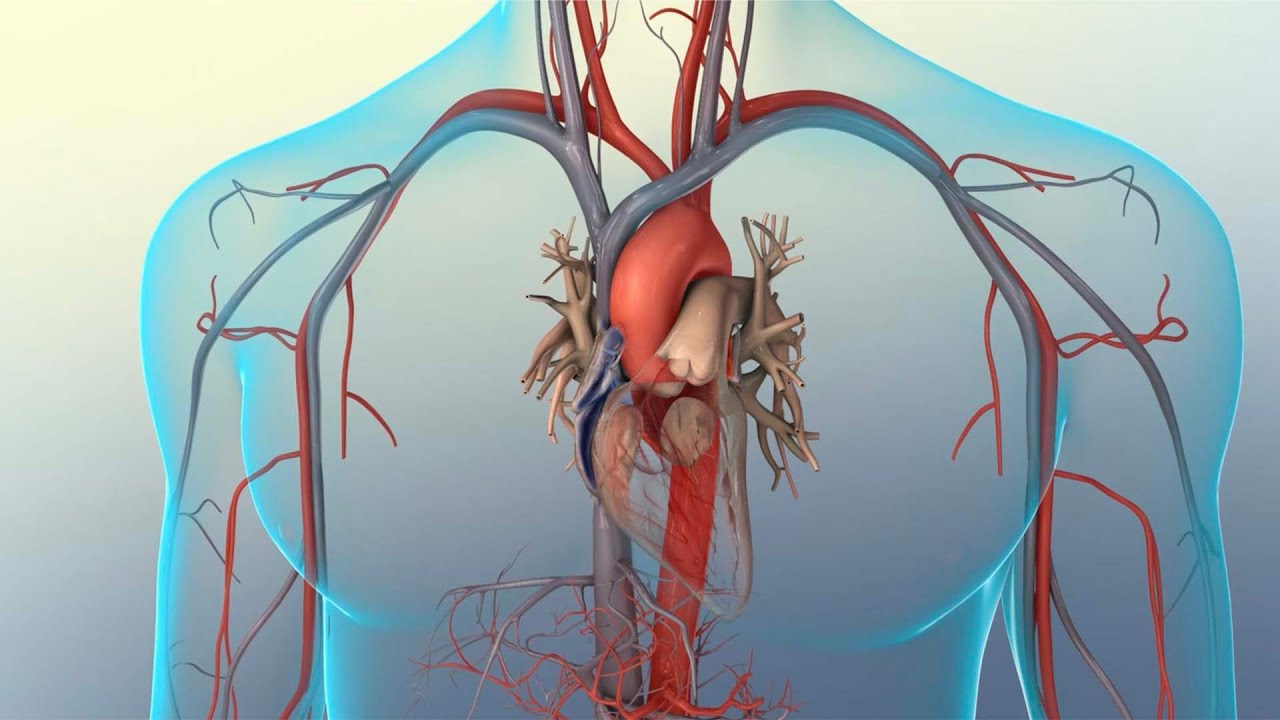

Normal, Skipped, or Irregular Heart Beats
The concepts of heartbeat and pulse are fundamental to understanding how the cardiovascular system functions. Both terms are often used interchangeably, but they refer to different aspects of the heart's activity.
What is a Heartbeat?
A heartbeat is the rhythmic contraction and relaxation of the heart muscles, which pumps blood throughout the body. This process is driven by electrical impulses generated by the sinoatrial (SA) node, often referred to as the heart's natural pacemaker. The heartbeat consists of two main phases:
- Systole: This is the phase where the heart muscles contract, pushing blood out of the heart chambers into the arteries.
- Diastole: During this phase, the heart muscles relax, allowing the chambers to fill with blood.
The heartbeat is typically measured in beats per minute (BPM), and a normal resting heart rate for adults ranges from 60 to 100 BPM. Factors such as age, fitness level, and emotional state can influence heart rate.
What is a Pulse?
The pulse is the tactile arterial palpation of the heartbeat, which can be felt at various points on the body where an artery is close to the skin. It is essentially the physical sensation of the heartbeat as blood is pushed through the arteries. Common sites to check the pulse include:
- Radial artery: Located on the wrist.
- Carotid artery: Found on the neck.
- Brachial artery: Situated on the arm.
- Femoral artery: Located in the groin area.
The pulse rate is an indicator of heart rate, and like the heartbeat, it is measured in BPM. It provides valuable information about the heart's rhythm and strength.
Differences Between Heartbeat and Pulse
While the heartbeat and pulse are closely related, they are not the same:
- Heartbeat refers to the actual contractions of the heart muscle.
- Pulse is the physical sensation of the heartbeat as felt through the arterial walls.
The pulse can be used to infer the heart rate, but it also provides additional information about the condition of the arteries and the strength of the heart's contractions.
Importance of Monitoring Heartbeat and Pulse
Monitoring the heartbeat and pulse is crucial for assessing cardiovascular health. Regular monitoring can help detect abnormalities such as:
- Arrhythmias: Irregular heartbeats that can indicate underlying heart conditions.
- Bradycardia: A slower than normal heart rate, which may suggest issues with the heart's electrical system.
- Tachycardia: A faster than normal heart rate, which can be a sign of stress, anxiety, or other health problems.
Healthcare professionals often use tools like electrocardiograms (ECGs) to measure the electrical activity of the heart and identify any irregularities. Additionally, wearable technology such as fitness trackers and smartwatches can provide real-time heart rate monitoring, making it easier for individuals to keep track of their cardiovascular health.
Factors Affecting Heartbeat and Pulse
Several factors can influence both heartbeat and pulse:
- Physical activity: Exercise increases heart rate to supply muscles with more oxygen-rich blood.
- Emotional state: Stress, anxiety, and excitement can elevate heart rate.
- Medications: Certain drugs can affect heart rate and rhythm.
- Health conditions: Conditions like hypertension, heart disease, and diabetes can impact heart function.