Pine Needle Tea
Flavor compounds of pine sprout tea and pine needle tea were analyzed and identified in this study. Eighty-one and 39 kinds of flavor compounds were detected in pine sprout tea and pine needle tea by GC, respectively. Among them, 55 and 29 flavor compounds were identified by GC-MS, respectively. Major flavor compounds of pine sprout tea were alpha-pinene, myrcene, beta-thujene, terpinene-4-ol, and delta-cadinene, and major flavor compounds of pine needle tea were alpha-pinene, isoamyl alcohol, trans-caryophyllene, terpinene-4-ol, alpha-terpineol, and delta-cadinene.Link to this study
Videos
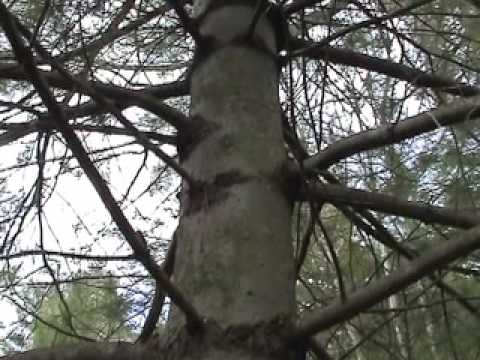
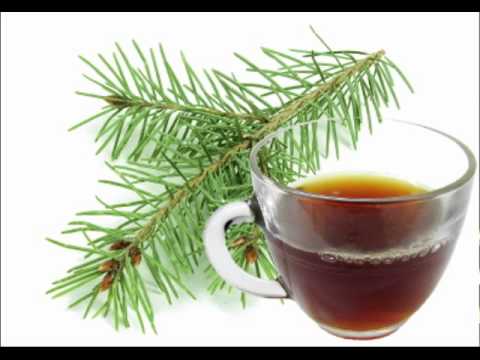
Is pine needle tea the answer to covid vaccine and COVID? Suramin, shikimic acid and science
Note, Suramin is a synthetic drug that worked for COVID19, it was pulled off the market by Bayer. It does not come from Pine Needles.
Separation of shikimic acid from pine needles
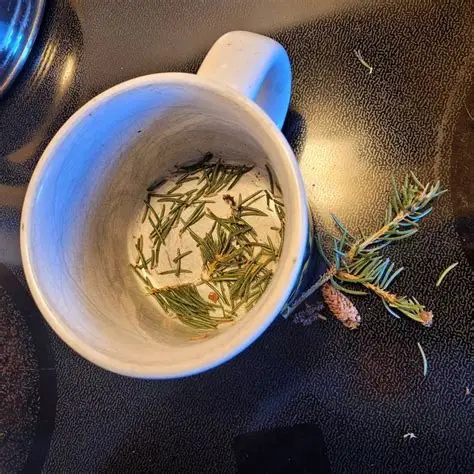
Pine needle tea is one of those simple, bright, resinous brews that feels like stepping into a winter hillside — citrusy, forest‑fresh, and deeply clearing. Here’s a clean, facilitator‑ready recipe card you can drop straight into your Ozark Herbal Ecology materials.
Pine Needle Tea
Prep 5 min
Cook 10 min
Serves 1
Ingredients
1 small handful fresh pine needles (preferably young, bright tips)
1 cup hot water (just off the boil)
Optional, honey or lemon
Instructions
1 Prepare the needles; Rinse the pine needles, then chop or crush them lightly to release their aromatic oils.
2 Heat the water; Bring water to a boil, then let it cool for 30–60 seconds so it’s hot but not aggressively boiling.
3Steep; Pour hot water over the needles and cover your cup. Steep 10 minutes for a bright, citrusy brew.
4 Strain & serve; Strain out the needles. Taste and add honey or lemon if desired.
Foraging note on identifying safe pine species in the Ozarks
A safe‑pine foraging note in the Ozarks hinges on two things: knowing the one native pine you’ll reliably meet (shortleaf pine) and avoiding toxic or unsuitable look‑alikes.
🌲 Safe Pine Species in the Ozarks
The only truly native pine in the Arkansas and Missouri’s Ozarks is the Shortleaf Pine (Pinus echinata)**. It’s the species you’ll encounter in wild upland forests, and it’s safe for tea.
How to Identify Shortleaf Pine
- Needles: Bundles of 2 (sometimes 3), 3–5 inches long, slender, flexible, sharp‑pointed, dark bluish‑green.
- Cones: Small (1.5–2.5 inches), brown, egg‑shaped, with sharp curved spines on the tips.
- Bark: Thick, reddish‑brown to nearly black, broken into large scaly plates.
- Range: Naturally occurring mainly in the Ozarks of southern Missouri; commonly planted elsewhere.
Shortleaf pine is the default safe pine for wild harvesting in the Ozarks.
OTHER PINES YOU MAY ENCOUNTER
Several non‑native pines are planted in the region and may naturalize locally (e.g., Eastern White Pine, Austrian Pine, Loblolly Pine). These can be safe if correctly identified, but they are not naturally occurring Ozark natives.
Eastern White Pine (Pinus strobus) — Safe
If you encounter a planted stand, this is a classic tea pine. Identification:
- Five needles per bundle — the key trait.
- Long (2–6 inches), soft, flexible, blue‑green needles.
️ SPECIES TO AVOID
These species are not native to the Ozarks, but may be planted ornamentally or in timber stands. They are unsafe for tea due to documented toxicity.
Highly Toxic Look‑Alike: Yew (Taxus spp.)
- NOT a pine, but often mistaken for one.
- Needles grow singly, flat, soft, dark green.
- Contains taxine, a deadly cardiotoxin.
Pines Unsafe for Consumption
These contain isocupressic acid, linked to reproductive toxicity and other health risks:
- Ponderosa Pine (P. ponderosa)**
- Lodgepole Pine (P. contorta)**
- Monterey Pine (P. radiata)**
If you find a stiff‑needled, sharp, resin‑heavy pine with three needles per bundle outside known shortleaf stands, confirm species before using.
QUICK OZARK FIELD CHECKLIST
- Count needles per fascicle
- 2–3 needles → likely Shortleaf Pine (safe).
- 5 needles → Eastern White Pine (safe if planted).
- Single needles → NOT a pine (stop immediately).
- Check habitat
- Wild Ozark uplands → almost always Shortleaf Pine.
- Old home sites, plantations → may include other species.
- Avoid all Yews and all Ponderosa‑type pines
- Yew = flat single needles.
- Ponderosa group = stiff, sharp, often 3‑needle bundles.
- Crush‑and‑smell test
- Safe pines smell bright, resinous, citrus‑pine.
- Yew has a dull, plant‑green smell without resin brightness. (Inference based on typical aromatic differences.)
WINTER‑TONIC PAIRING GUIDE WITH CEDAR, SUMAC, AND SPICEBUSH
A winter‑tonic pairing guide with cedar, sumac, and spicebush works beautifully because each plant occupies a different energetic “lane” in winter medicine. Cedar clears, sumac brightens, and spicebush warms and moves — together they create a full-spectrum winter tonic profile. Here’s a facilitator‑ready guide grounded in current herbal energetics and supported by recent sources on conifer and winter‑herb actions.
WINTER‑TONIC LOGIC: WHY THESE THREE WORK TOGETHER
- Cedar (Juniper) — cooling, drying, clearing; moves stuck mucus and purifies space.
- Sumac — bright, sour, vitamin‑rich; uplifts, tightens, and tones tissues (inference based on its traditional use as a sour, antioxidant-rich winter seasoning).
- Spicebush — warming, aromatic, circulatory; moves stagnation and supports digestion (inference based on its traditional use as a warming spice in winter foods).
Together they create a triad of clearing + brightening + warming, which mirrors the winter body’s needs: open the lungs, lift heaviness, and restore circulation.
CEDAR: THE CLEARING AXIS
Energetics: cooling, drying, dispersing Actions: antimicrobial, expectorant, lymphatic mover
Best paired with:
- Sumac to balance cedar’s dryness with bright acidity
- Spicebush to add warmth and prevent over‑cooling
Use in tonics:
- Small amounts only — cedar is potent.
- Ideal in steam inhalations, mulled teas, or simmer pots.
SUMAC: THE BRIGHTENING AXIS
Energetics: sour, astringent, uplifting Actions: antioxidant-rich, tissue-toning, mood-lifting (inference based on traditional sour‑berry use)
Best paired with:
- Cedar to add clarity and aromatic lift
- Spicebush to round the acidity with warming spice
Use in tonics:
- Dried berries in teas
- Syrups or shrubs for winter vitality
- Powdered sumac in mulled drinks or broths
SPICEBUSH: THE WARMING AXIS
Energetics: warming, aromatic, circulatory Actions: digestive support, stagnation‑moving, winter‑warming (inference based on traditional spice use in winter mulled drinks)
Best paired with:
- Cedar to deepen aromatic complexity
- Sumac to create a sweet‑sour‑spice winter profile
Use in tonics:
- Mulled teas
- Winter bitters
- Warming syrups
THREE READY‑TO‑USE WINTER TONIC PAIRINGS
1. Cedar + Sumac Clearing Tonic
Bright, clearing, immune-supportive
- 1 small pinch cedar needles
- 1 tsp dried sumac berries
- Hot water, steep 10 minutes Use: heavy chest, winter dullness, post‑viral fog (Cedar’s clearing + sumac’s brightness)
2. Spicebush + Sumac Warming Digestive Tonic
Warming, uplifting, circulatory
- 1 tsp spicebush berries
- ½ tsp sumac
- Orange peel (optional) Use: cold digestion, sluggish circulation, winter fatigue
3. Cedar + Spicebush Mulled Winter Tea
Resinous, aromatic, protective
- Small cedar pinch
- 1 tsp spicebush
- Cinnamon or star anise (optional) Use: stuck mucus, cold lungs, low winter vitality (Cedar’s clearing + spicebush’s warming)
- Cedar = clearing movement (up/out)
- Sumac = brightening movement (up/in)
- Spicebush = warming movement (outward/circulatory)
Together they create a complete winter‑tonic arc: Clear → Brighten → Warm → Move.
Cautions
Do not use if pregnant