Smallflower Groundcherry / Gray Groundcherry
Androstane and Withanolides from Physalis cinerascens
Physalis cinerascens var. cinerascens, commonly known as the gray ground cherry, is a perennial herbaceous plant found in various regions around the world.
Identification Cues
- Growth form: Perennial herbaceous plant, often low-growing and branching.
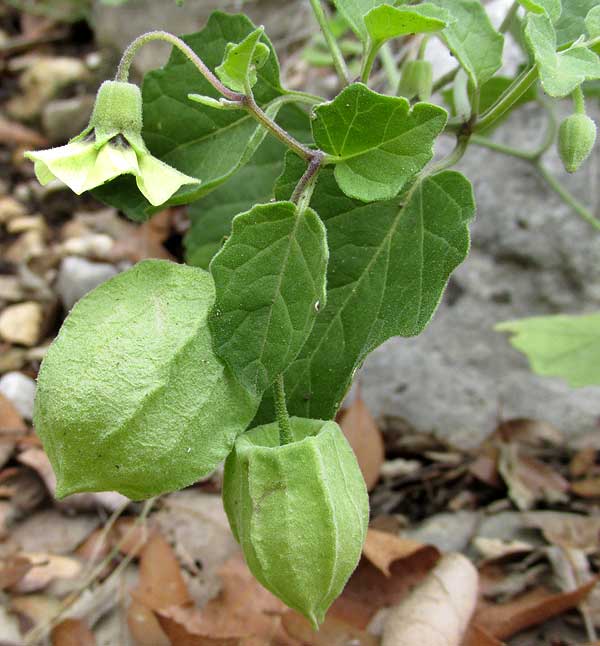
- Leaves: Alternate, oval to lance-shaped leaves with soft, grayish or dusty hairs; margins may be shallowly toothed or wavy.
- Flowers: Small, yellow, five-lobed flowers, typically with darker brown or purplish markings near the throat.
- Fruit: Small berry enclosed in an inflated, papery, lantern-like calyx—the characteristic groundcherry husk; the husk often becomes tan or straw-colored as it matures.
- Stems and foliage: Gray-green appearance from fine hairs, helping distinguish it from smoother, greener groundcherry species.
- Field caution: Confirm identification using a regional flora or herbarium source; Physalis species can be difficult to distinguish, and unripe fruit or other plant parts should not be consumed without reliable identification.
Medicinal Uses:
- Antioxidant Properties: Physalis species are known to contain various antioxidants, including phenolic compounds and flavonoids. These antioxidants help protect the body against oxidative stress and may have potential health benefits.
- Anti-inflammatory Effects: Some studies suggest that certain compounds found in Physalis species possess anti-inflammatory properties. These properties may be beneficial in reducing inflammation-related conditions.
- Immune Support: Physalis species have been traditionally used to support the immune system. They are believed to have immunomodulatory effects, helping to strengthen the body's natural defenses.
Nutritional Uses:
- Vitamins and Minerals: Physalis cinerascens var. cinerascens, like other Physalis species, is a good source of vitamins, particularly vitamin C and vitamin A. It also contains minerals such as iron, potassium, and phosphorus.
- Dietary Fiber: Physalis species generally have a high fiber content. Dietary fiber is important for digestive health and can help regulate bowel movements and maintain a healthy digestive system.
- Antioxidant Compounds: The presence of antioxidants in Physalis cinerascens var. cinerascens can contribute to its nutritional value. Antioxidants help protect the body against oxidative damage and support overall health.
It's important to note that specific scientific research on the medicinal and nutritional properties of Physalis cinerascens var. cinerascens is limited, and the information provided is based on general knowledge about the genus Physalis. As with any medicinal or dietary consideration, it is advisable to consult with a healthcare professional or nutritionist before using Physalis cinerascens var. cinerascens or any other plant for medicinal or nutritional purposes.