Electrolyte Balance
Return to Functional Anatomy / Physiology Menu
Videos
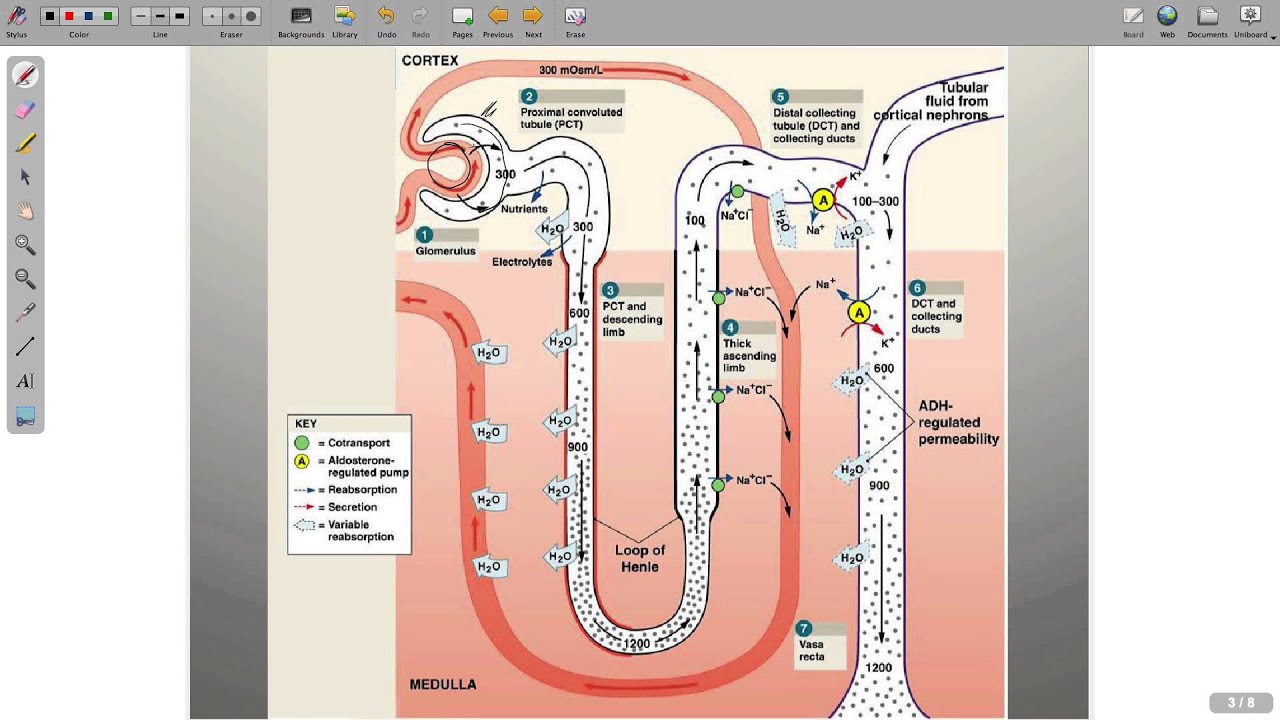

Are low electrolytes impacting your heart and muscles?
Electrolyte balance is a critical aspect of maintaining homeostasis in the human body. Electrolytes are minerals that carry an electric charge and are found in bodily fluids. They are essential for various physiological functions, including nerve impulse transmission, muscle contraction, hydration, and maintaining the acid-base balance. The primary electrolytes in the human body include sodium, potassium, calcium, bicarbonate, magnesium, chloride, and phosphate.
Importance of Electrolyte Balance
Electrolytes play a vital role in ensuring that the body's cells, tissues, and organs function optimally. They help regulate nerve and muscle function, hydrate the body, balance blood acidity and pressure, and help rebuild damaged tissues. An imbalance in electrolytes can lead to a range of health issues, from mild symptoms like fatigue and muscle cramps to severe conditions such as seizures and cardiac arrest.
Key Electrolytes and Their Functions
- Sodium (Na+):
- Regulates fluid balance and blood pressure.
- Essential for nerve and muscle function.
- Imbalance can lead to conditions like hyponatremia or hypernatremia.
- Potassium (K+):
- Crucial for heart and muscle function.
- Helps maintain normal cell function.
- Imbalance can cause hypokalemia or hyperkalemia, affecting heart rhythm.
- Calcium (Ca2+):
- Important for bone health, muscle contraction, and nerve signaling.
- Imbalance can result in hypocalcemia or hypercalcemia, impacting bone density and muscle function.
- Magnesium (Mg2+):
- Involved in over 300 biochemical reactions in the body.
- Supports muscle and nerve function, blood glucose control, and blood pressure regulation.
- Imbalance can lead to hypomagnesemia or hypermagnesemia.
- Chloride (Cl-):
- Helps maintain fluid balance and is a component of stomach acid.
- Works with sodium to maintain proper blood volume and pressure.
- Imbalance can cause hypochloremia or hyperchloremia.
- Bicarbonate (HCO3-):
- Acts as a buffer to maintain the pH balance in the blood.
- Imbalance can lead to metabolic acidosis or alkalosis.
- Phosphate (PO43-):
- Vital for energy production and bone health.
- Imbalance can result in hypophosphatemia or hyperphosphatemia.
Causes of Electrolyte Imbalance
Electrolyte imbalances can occur due to various factors, including:
- Dehydration: Caused by excessive sweating, vomiting, diarrhea, or inadequate fluid intake.
- Kidney Disorders: Affect the body's ability to filter and balance electrolytes.
- Medications: Diuretics, laxatives, and certain antibiotics can alter electrolyte levels.
- Chronic Illnesses: Conditions like diabetes and heart disease can impact electrolyte balance.
- Dietary Factors: Poor nutrition or excessive intake of certain minerals can lead to imbalances.
Symptoms of Electrolyte Imbalance
Symptoms can vary depending on the specific electrolyte that is imbalanced. Common signs include:
- Fatigue
- Muscle cramps or weakness
- Irregular heartbeat
- Confusion or irritability
- Nausea or vomiting
- Headaches
- Seizures
Diagnosing and Treating Electrolyte Imbalance
Diagnosis typically involves blood tests to measure electrolyte levels. Treatment depends on the underlying cause and may include:
- Fluid Replacement: Oral or intravenous fluids to restore balance.
- Dietary Adjustments: Increasing or decreasing intake of specific electrolytes.
- Medications: To address underlying conditions or directly correct imbalances.
- Monitoring: Regular monitoring of electrolyte levels, especially in individuals with chronic conditions.
Preventing Electrolyte Imbalance
Prevention strategies include:
- Staying hydrated, especially during exercise or in hot weather.
- Eating a balanced diet rich in fruits, vegetables, and whole grains.
- Monitoring and managing chronic health conditions.
- Being cautious with medications that can affect electrolyte levels.