Giant Devil's Fig
See also: Solanum (genus)
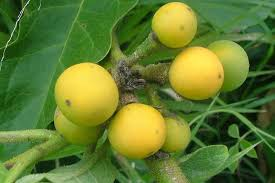
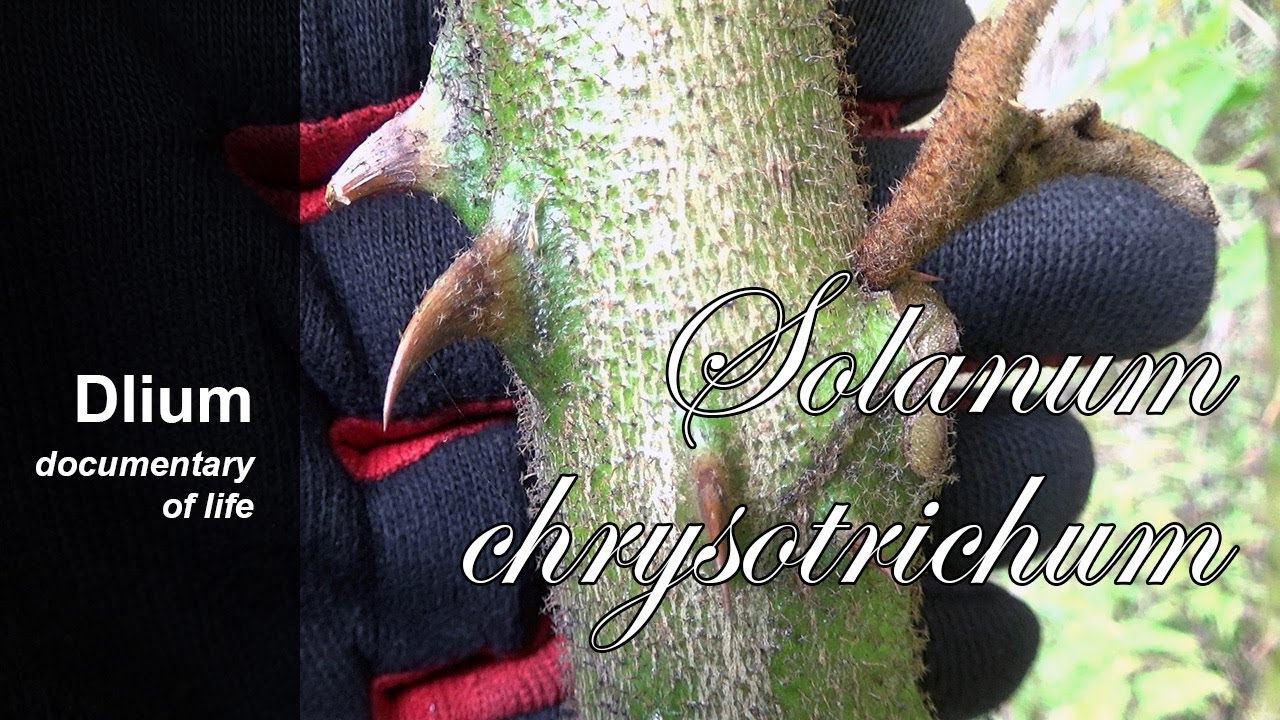
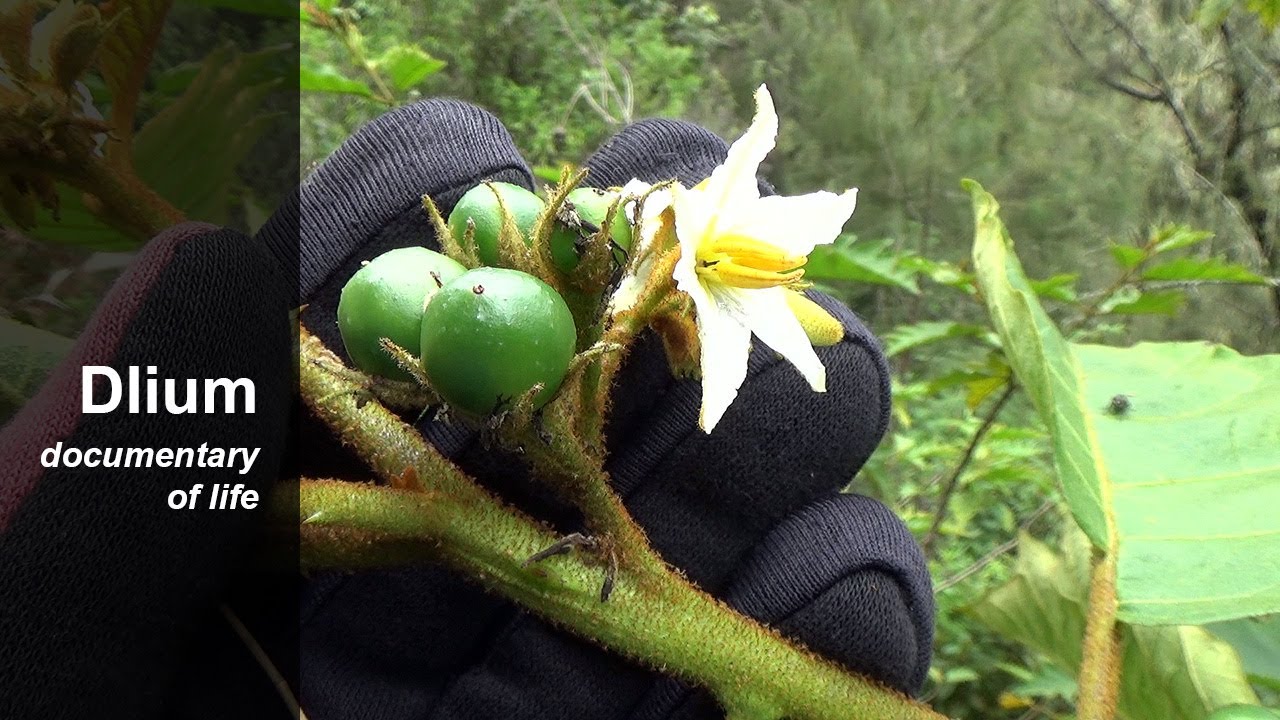
Solanum chrysotrichum, commonly known as the "hairy nightshade" or "giant devil's fig," is a plant species that belongs to the Solanaceae family. This plant is native to Mexico and Central America, where it thrives in a variety of habitats ranging from forests to disturbed areas.
Morphology and Characteristics
One of the distinctive features of Solanum chrysotrichum is its hairy appearance, which gives it the common name "hairy nightshade." The plant typically grows as a perennial shrub or small tree, reaching heights of up to 3 meters. Its leaves are ovate to lanceolate, with prominent hairs covering the surface, providing protection against herbivores. The flowers of Solanum chrysotrichum are star-shaped and can vary in color from white to purple, adding to the plant's aesthetic appeal.
Ecological Role
Solanum chrysotrichum plays a significant ecological role in its native habitats. As a member of the Solanaceae family, it serves as a food source for various insects and birds, contributing to the local ecosystem's biodiversity. Additionally, the plant's ability to thrive in diverse environments makes it an important component of the plant community, helping to stabilize soil and prevent erosion in disturbed areas.
Traditional Uses
Throughout history, Solanum chrysotrichum has been utilized for various traditional purposes by indigenous communities in Mexico and Central America. The plant has been used in traditional medicine to treat a range of ailments, including skin conditions, respiratory problems, and digestive issues. Additionally, the fruits of Solanum chrysotrichum are edible when ripe, providing a source of nutrition for local populations.
Potential Benefits
In recent years, researchers have begun to explore the potential benefits of Solanum chrysotrichum beyond its traditional uses. Studies have shown that the plant contains bioactive compounds with antioxidant and anti-inflammatory properties, suggesting potential applications in pharmaceuticals and nutraceuticals. Furthermore, the hairy covering of the plant has attracted interest for its potential as a natural insect repellent or pesticide.
Conservation Status
Despite its ecological importance and potential benefits, Solanum chrysotrichum faces threats from habitat loss, deforestation, and agricultural expansion. As a result, conservation efforts are needed to protect the plant and ensure its continued survival in the wild. Initiatives such as habitat restoration, seed banking, and public awareness campaigns can help safeguard the future of Solanum chrysotrichum and other plant species facing similar challenges.
Cultivation and Propagation
For those interested in cultivating Solanum chrysotrichum, the plant can be grown from seeds or cuttings in well-drained soil and full sunlight. Proper care, including regular watering and fertilization, can help promote healthy growth and flowering. Additionally, pruning can help maintain the plant's shape and prevent overcrowding. With the right conditions, Solanum chrysotrichum can thrive in gardens, landscapes, and botanical collections, showcasing its unique beauty and characteristics.
Articles/Studies
Solanum chrysotrichum is a safe and effective (57.4% cure rate) remedy for vaginal yeast infection.
Solanum chrysotrichum is superior to 2% ketoconazole in the treatment of Athlete's foot.
Solanum chrysotrichum (Schldl.) a plant used in Mexico for the treatment of skin mycosis.