Comfrey Prep/Dose
How to Restore an old Injury with Comfrey Root:
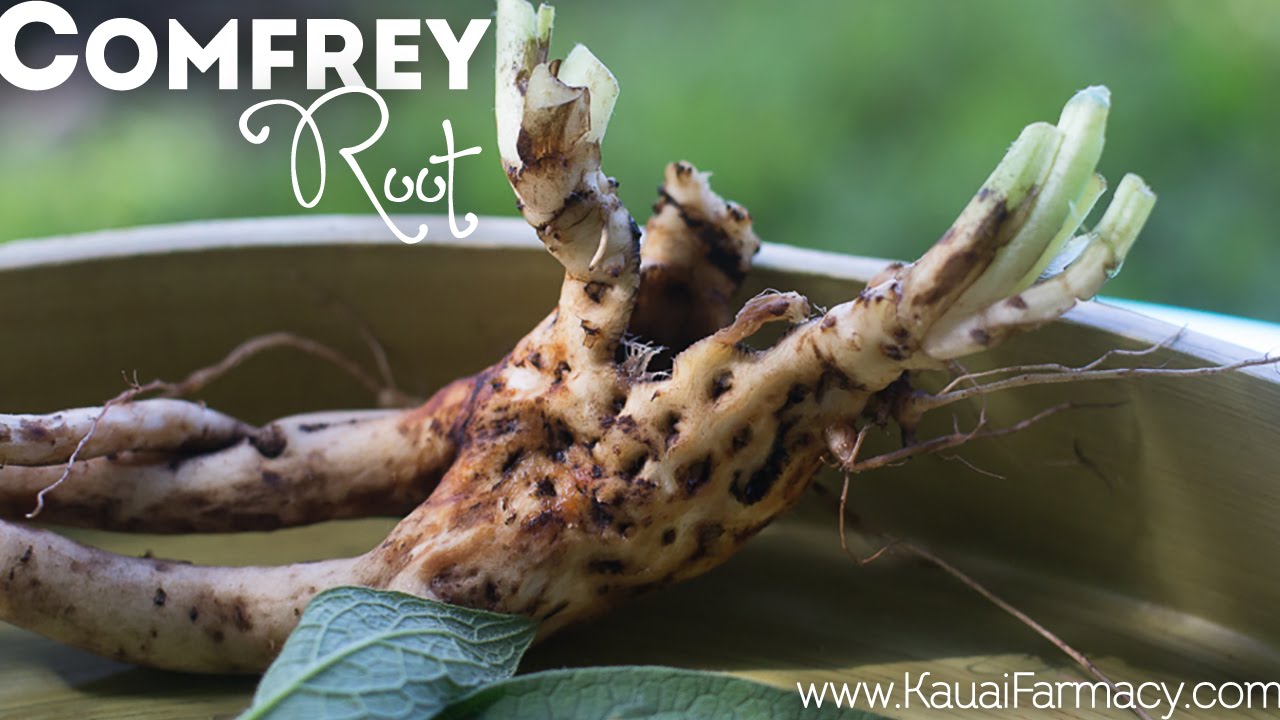
While both Comfrey leaf and root are demulcent, astringentand vulnerary,the root is also nutritiveand restorative. The leaf is generally better for long-term internal use as it is lower in the slightly toxic alkaloids.
As an internal remedy Comfrey leaf or root are decocted or used in tincture form, however, the leaf is best taken as an infusion.
Soothing Comfrey syrup is perfect for dry or hot lung conditions. The nutritiveroot was candied in the past. The leaves may also be eaten: in parts of Switzerland they are baked in dough to make comfrey cakes, while comfrey tempura is a Japanese-style treat.
Comfrey's reliability in treating bone fractures, hemorrhages, wounds, and ulcers (including perineal tears) have always been in the limelight. For these, the fresh leaf, plaster, poultice, warm compressor ointment is used. The base for these may be an overnight cold water maceration or a short decoction of the leaf or root. The tincture is preferable when liniments for painful conditions are required.
Comfrey bonesetters and town barber-surgeons used to make elaborate Comfrey plasters that often included Camphor, Turpentine, Frankincense and other resins, as well as other good wound herbs such as Arnica, Plantain and St. John's wort. WILHEM RYFF (1573) for example, gives four separate plaster formulations. Internal use of Comfrey will accelerate healing in any injury.
Tincturing:
1:2 25%, 10-14 days
You can harvest the whole aerial herb, or just the leaves – but what’s recommended is that you grow enough Comfrey to provide both fertility for the garden and for medicine as well. You’ll then have enough to use the flowering tops for medicines, maximizing allantoin content while all but completely avoiding the pyrrolizidine alkaloids. What’s left can be cut at ground level and used to add to compost, or wilted for a mulch, or better still converted into a liquid feed.
Comfrey usually comes into full flower in late May – snip off the flowering tops with some leaves, (something like the top third of growth). You may be lucky and get a second cut in later summer, but beware, Comfrey often develops mildew and/or rust later in the season. Comfrey is soft and easy to comminute – but watch out for the very high mucilage content clogging shredders or food processors. A 1:2 tincture is easy to achieve but you may want to increase the alcohol content to 30%. An exceptional tincture develops a deep green colour.
The Comfreys constitute a large family with any number of hybrids and cultivars. It’s highly recommended that you ignore them all and stick to good old-fashioned S. officinalis for a high allantoin, low alkaloid, reliable variety. Comfrey root was often preferred in the past for dried-herb tinctures, but shows no discernible advantage in fresh form, and in modern practice is not recommended for internal use. Comfrey is also much used in a variety of external preparations – again, the aerial herb will prove adequate for most purposes with the possible exception of poulticing.
Dosage: short decoction:6-16g. The average is 10 g
Tincture:2-4 ml
Large doses are only used for injuries and bleeding and where a bulk laxative effect is needed.
The Physiomedical Dispensatory by William Cook, M.D., 1869
Properties and Uses: The root of comfrey contains a large amount of mucilage, which makes the dried article dense and horny. When treated with water, or wine, it yields a moderate tonic power with this mucilage; and makes a mild remedy for recent and old coughs, sub-acute dysentery and diarrhea, simple forms of leucorrhea, spitting of blood, and other pulmonary affections. It is rarely used alone, but makes a good soothing addition to more tonic agents; and has much merit, when used in the fresh state, as an application to bruises, and irritable ulcers. Two ounces boiled in a pint of water, and then a gill of wine added, may be taken in doses of a fluid ounce or more three times a day.
Pharmaceutical Preparations
: I. Compound Wine. Roots of comfrey, convallaria, and aralia racemosa, each, one ounce; cocculus palmatus, (not frasera, as is generally used,) camomile, and gentiana ochroleuca, each, half an ounce. Crush, and macerate for twenty-four hours with sherry wine; transfer to a percolator, and add wine till two quarts (in all) have been used; then add water till two quarts of tincture have been obtained. This is a mild and valuable tonic for female difficulties, loss of appetite, nervousness, and insufficient menstruation. Dose, half a fluid ounce or more three times a day. This agent is an ingredient in the Compound Sirup of Aralia.