Thyroid Adenoma
A thyroid adenoma is a benign tumor of the thyroid gland, that may be inactive or active (functioning autonomously) as a toxic adenoma.
Understanding Thyroid Nodules

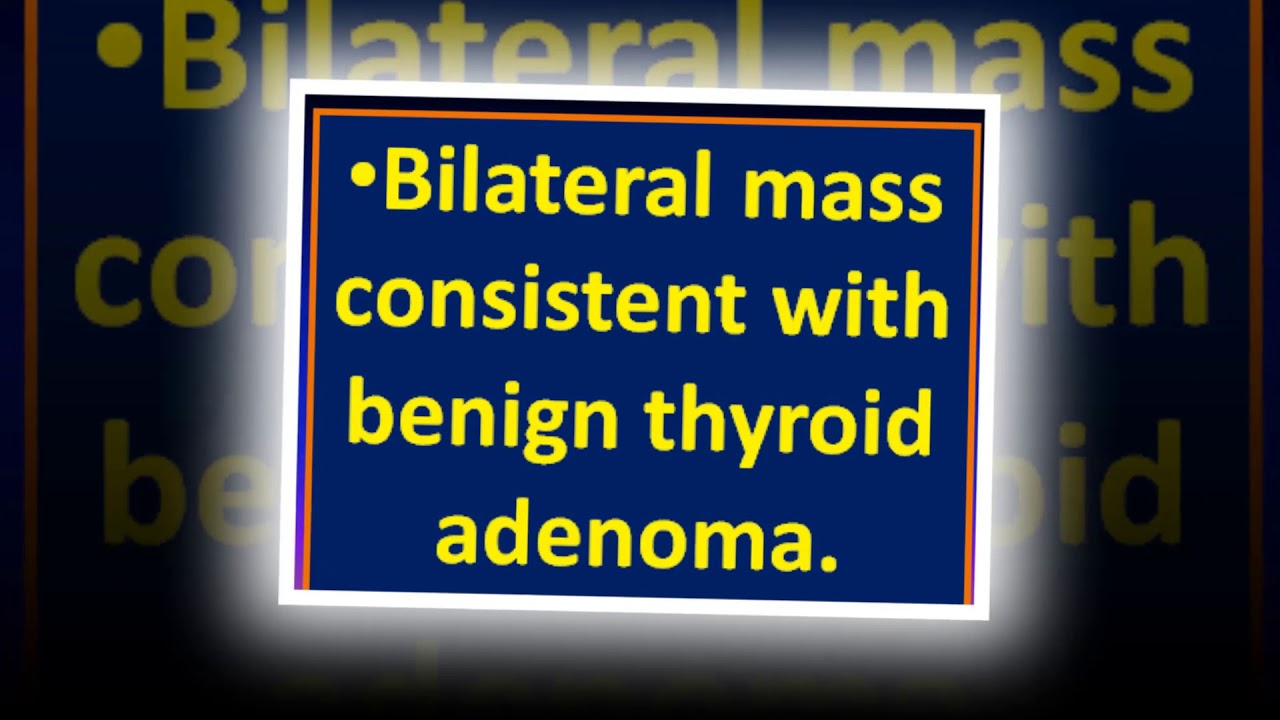
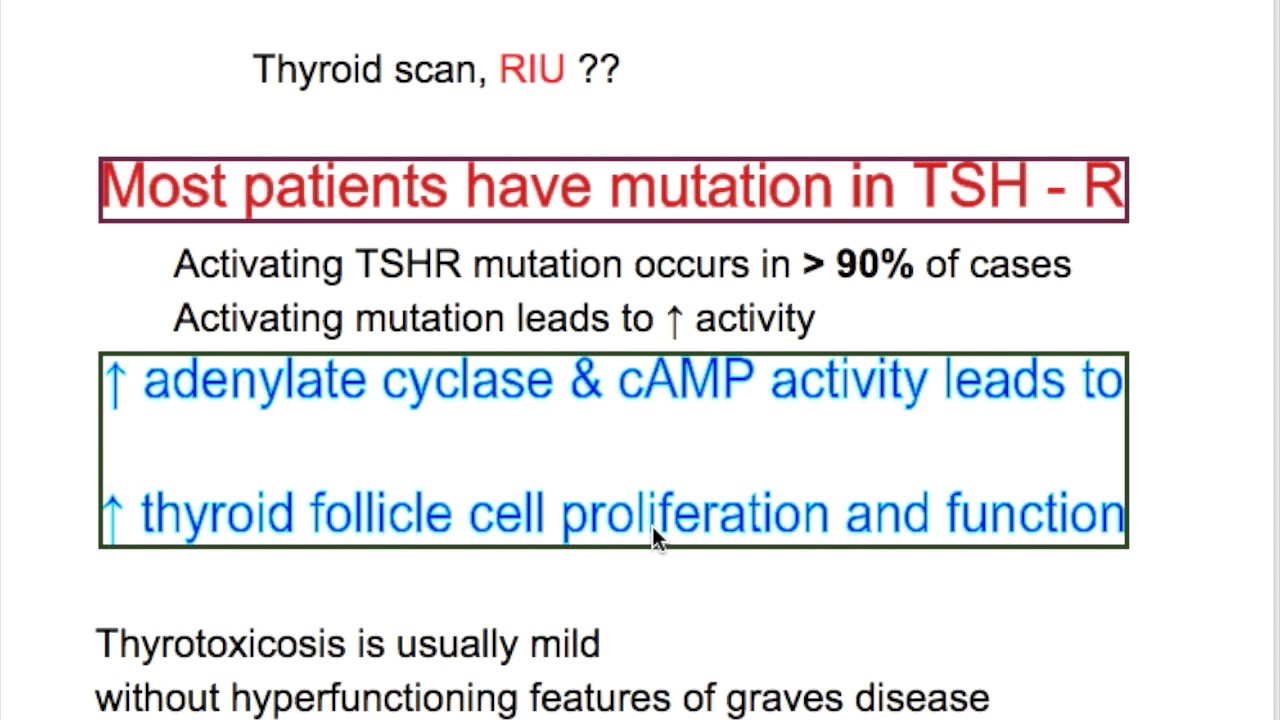
Toxic adenoma (hyperfunctioning solitary nodule)
Approach to a Thyroid Nodule - causes, investigation and treatment

Thyroid adenoma is a benign tumor of the thyroid gland, which is located in the neck and plays a crucial role in regulating metabolism through hormone production. While these tumors are non-cancerous, they can sometimes cause symptoms or complications that require medical attention.
Causes and Risk Factors
The exact cause of thyroid adenoma is not well understood, but several factors may contribute to its development:
- Genetic Predisposition: A family history of thyroid disorders can increase the risk of developing thyroid adenomas.
- Iodine Deficiency: Iodine is essential for thyroid hormone production, and a deficiency can lead to thyroid gland abnormalities, including adenomas.
- Radiation Exposure: Previous exposure to radiation, especially during childhood, can increase the risk of thyroid tumors.
- Hormonal Factors: Changes in hormone levels, such as those occurring during pregnancy or menopause, may influence the development of thyroid adenomas.
Symptoms
Thyroid adenomas are often asymptomatic, meaning they do not cause noticeable symptoms. However, when symptoms do occur, they may include:
- Neck Lump: A visible or palpable lump in the neck may indicate the presence of a thyroid adenoma.
- Difficulty Swallowing or Breathing: Large adenomas can compress the trachea or esophagus, leading to breathing or swallowing difficulties.
- Hyperthyroidism Symptoms: In some cases, adenomas produce excess thyroid hormones, leading to symptoms such as weight loss, increased heart rate, nervousness, and heat intolerance.
Diagnosis
Diagnosing a thyroid adenoma typically involves a combination of clinical evaluation and diagnostic tests:
- Physical Examination: A healthcare provider may palpate the neck to detect any lumps or abnormalities in the thyroid gland.
- Ultrasound: This imaging technique uses sound waves to create a picture of the thyroid gland, helping to identify the size and characteristics of the adenoma.
- Fine-Needle Aspiration Biopsy (FNAB): A small sample of cells is extracted from the thyroid nodule using a thin needle, which is then examined under a microscope to determine if the nodule is benign or malignant.
- Thyroid Function Tests: Blood tests measure levels of thyroid hormones (T3 and T4) and thyroid-stimulating hormone (TSH) to assess thyroid function.
Treatment Options
The treatment of thyroid adenoma depends on several factors, including the size of the adenoma, the presence of symptoms, and the risk of malignancy:
- Observation: Small, asymptomatic adenomas may be monitored with regular follow-up visits and ultrasounds to ensure they do not grow or cause symptoms.
- Medications: In cases where the adenoma causes hyperthyroidism, medications such as antithyroid drugs may be prescribed to control hormone production.
- Radioactive Iodine Therapy: This treatment involves ingesting radioactive iodine, which is absorbed by the thyroid gland and helps shrink the adenoma.
- Surgery: Surgical removal of the adenoma, known as a thyroidectomy, may be recommended if the adenoma is large, symptomatic, or suspected to be malignant.
Prognosis and Follow-Up
The prognosis for individuals with thyroid adenoma is generally excellent, as these tumors are benign and often do not cause significant health issues. However, regular follow-up is important to monitor for any changes in the adenoma or thyroid function. Patients should maintain regular check-ups with their healthcare provider and report any new or worsening symptoms promptly.