Cellular Immunity
Return to Immune System Menu
The birth of Cellular Immunity; The end of war between humoral and cellular Immunity
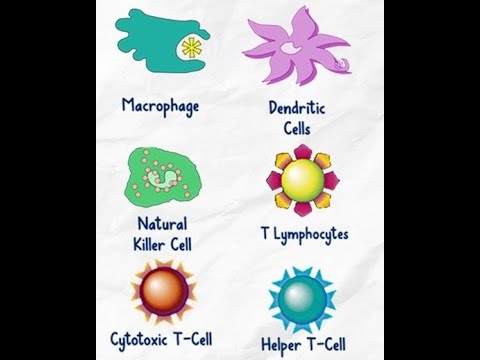
Two different methods exist by which the body fights infections: humoral immunity (Th2) results in the production of antibodies to neutralize foreign invaders outside of the cells, while cellular immunity (Th1) directs Killer T-cells (CD8) to attack microorganisms or abnormal cells at the sites of infection inside the cells.
UNDERSTANDING CELLULAR IMMUNITY
Cellular immunity, also known as cell-mediated immunity, is a critical component of the adaptive immune system. Unlike humoral immunity, which involves antibodies produced by B cells, cellular immunity relies on T cells to combat pathogens. This type of immunity is essential for defending the body against intracellular pathogens, such as viruses and some bacteria, as well as for tumor surveillance and transplant rejection.
Key Components of Cellular Immunity
Cellular immunity is primarily mediated by T lymphocytes, which are a type of white blood cell. There are several key components involved in this immune response:
- T Cells: These are the primary cells involved in cellular immunity. They originate from the bone marrow and mature in the thymus. T cells are divided into several subsets, each with distinct functions:
- Helper T Cells (CD4+ T cells): These cells assist other immune cells by releasing cytokines, which are signaling molecules that help regulate the immune response.
- Cytotoxic T Cells (CD8+ T cells): These cells directly kill infected or cancerous cells by recognizing specific antigens presented on the surface of these cells.
- Regulatory T Cells (Tregs): These cells help maintain immune tolerance and prevent autoimmune diseases by suppressing excessive immune responses.
- Antigen-Presenting Cells (APCs): These cells, such as dendritic cells, macrophages, and B cells, process and present antigens to T cells. They play a crucial role in activating T cells by displaying antigens on their surface using major histocompatibility complex (MHC) molecules.
- Cytokines: These are small proteins released by cells that have a specific effect on the interactions and communications between cells. Cytokines are essential for the proliferation, differentiation, and activation of immune cells.
Mechanism of Cellular Immunity
The process of cellular immunity involves several steps:
- Antigen Recognition: The immune response begins when APCs capture and process antigens from pathogens. These antigens are then presented on the surface of APCs in association with MHC molecules.
- T Cell Activation: When a T cell receptor (TCR) on a T cell recognizes and binds to the antigen-MHC complex on an APC, the T cell becomes activated. This activation requires additional signals from co-stimulatory molecules on the APC.
- Clonal Expansion: Once activated, T cells undergo clonal expansion, where they rapidly proliferate and differentiate into effector T cells. These effector cells are responsible for carrying out the immune response.
- Effector Functions: The effector T cells perform various functions to eliminate the pathogen:
- Cytotoxic T Cells: These cells induce apoptosis (programmed cell death) in infected or cancerous cells by releasing perforin and granzymes.
- Helper T Cells: These cells secrete cytokines that enhance the activity of other immune cells, such as B cells, macrophages, and cytotoxic T cells.
- Memory Formation: After the pathogen is cleared, some T cells differentiate into memory T cells. These cells persist in the body and provide a faster and more robust response upon re-exposure to the same antigen.
Importance of Cellular Immunity
Cellular immunity plays a vital role in protecting the body against a wide range of diseases:
- Viral Infections: Since viruses replicate inside host cells, cellular immunity is crucial for identifying and destroying infected cells.
- Intracellular Bacteria: Some bacteria, like Mycobacterium tuberculosis, can survive inside cells, making cellular immunity essential for their elimination.
- Cancer: Cellular immunity is involved in recognizing and destroying cancerous cells, preventing tumor growth and metastasis.
- Transplant Rejection: T cells can recognize foreign antigens on transplanted tissues, leading to rejection. Understanding cellular immunity is key to developing strategies to prevent rejection.
Challenges and Therapeutic Applications
While cellular immunity is essential for health, it can also pose challenges:
- Autoimmune Diseases: In some cases, the immune system mistakenly targets the body's own cells, leading to autoimmune diseases. Regulatory T cells are crucial for preventing such responses.
- Immunodeficiency: Conditions like HIV/AIDS impair cellular immunity, making individuals more susceptible to infections and cancers.
Recent advances in immunotherapy have harnessed the power of cellular immunity to treat diseases:
- Cancer Immunotherapy: Techniques like CAR T-cell therapy involve modifying a patient's T cells to better recognize and attack cancer cells.
- Vaccines: Some vaccines aim to stimulate cellular immunity to provide long-lasting protection against diseases.
IL-12 & IgA for Mucosal Immunity
Multiple studies show that high levels of IgA and CD8 Killer T cells in the mucus membranes of the colon or/and vagina increase the resistance to viral and bacterial infections.To increase the CD8 Killer T cells in the mucus membranes and throughout the body, Th-1 promoters need to be induced with resultant IgA, IL-12, and interferon-gamma (IFN-gamma) production - the key cytokines for restoring mucosal and systemic cellular immunity.
ISG - Interferon-stimulated gene - The type II interferon class only has one cytokine (IFN-γ), which has some antiviral activity, but is more important in establishing cellular immunity through activating macrophages and promoting major histocompatibility complex (MHC) class.
STAT Protein - Members of the signal transducer and activator of transcription (STAT) protein family are intracellular transcription factors that mediate many aspects of cellular immunity, proliferation, apoptosis and differentiation.
Pentacyclic oxidole alkaloids (POAs) - The POAs enhance immune function, mainly the immunologic system cells, particularly those responsible for nonspecific and cellular immunity.