Ash-leafed Hydrangea
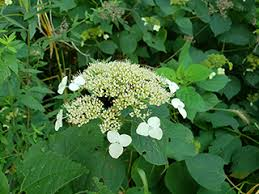
Used medicinally. See Wild Hydrangea for uses.
The Ash-leafed Hydrangea, scientifically known as Hydrangea cinerea, is a deciduous shrub that belongs to the Hydrangeaceae family. This plant is native to the southeastern United States, where it thrives in the understory of deciduous forests and along stream banks.
Botanical Description
Leaves
The Ash-leafed Hydrangea gets its common name from its leaves, which resemble those of the ash tree. The leaves are opposite, simple, and ovate to elliptic in shape, measuring about 3 to 6 inches in length. They have a distinctive grayish-green color on the upper surface and a paler, almost silvery hue on the underside, which is covered with fine hairs. The leaf margins are serrated, adding to the plant's textural interest.
Flowers
One of the most striking features of Hydrangea cinerea is its inflorescence. The plant produces large, flat-topped clusters of small, creamy white flowers, typically blooming from late spring to early summer. These flower clusters, known as corymbs, can measure up to 6 inches in diameter. The flowers are primarily fertile, with a few sterile ones on the outer edges, which helps attract pollinators such as bees and butterflies.
Bark and Stems
The bark of the Ash-leafed Hydrangea is another noteworthy characteristic. It is smooth and gray when young, becoming slightly rougher and more textured with age. The stems are slender and can be somewhat arching, giving the shrub a graceful appearance.
Habitat and Growing Conditions
Soil and Light Requirements
Hydrangea cinerea prefers moist, well-drained soils rich in organic matter. It thrives in partial to full shade, making it an excellent choice for woodland gardens or shaded borders. While it can tolerate some sun, too much direct sunlight can scorch the leaves and reduce the plant's overall vigor.
Watering and Maintenance
Consistent moisture is crucial for the Ash-leafed Hydrangea, especially during dry periods. Mulching around the base of the plant can help retain soil moisture and keep the roots cool. Pruning is generally minimal, but removing dead or damaged stems in late winter or early spring can promote healthy growth and improve the plant's appearance.
Ecological Importance
Wildlife Attraction
The Ash-leafed Hydrangea plays a significant role in its native ecosystem. The flowers provide nectar and pollen for a variety of pollinators, including bees, butterflies, and other beneficial insects. Additionally, the dense foliage offers shelter and nesting sites for small birds and mammals.
Soil Stabilization
Due to its preference for moist, shaded environments, Hydrangea cinerea is often found along stream banks and in forest understories. Its root system helps stabilize the soil, reducing erosion and promoting a healthy, balanced ecosystem.
Cultivation and Uses
Ornamental Value
Gardeners appreciate the Ash-leafed Hydrangea for its unique foliage, attractive flowers, and adaptability to shaded conditions. It can be used as a specimen plant, in mixed borders, or as part of a woodland garden. Its ability to thrive in low-light conditions makes it a valuable addition to areas where other plants may struggle.
Propagation
Propagation of Hydrangea cinerea can be achieved through several methods, including seed, cuttings, and division. Softwood cuttings taken in late spring or early summer tend to root easily and can be a reliable way to produce new plants. Division of established clumps in early spring is another effective method.
Challenges and Considerations
Pests and Diseases
While generally hardy, the Ash-leafed Hydrangea can be susceptible to certain pests and diseases. Common issues include aphids, spider mites, and powdery mildew. Regular monitoring and appropriate cultural practices, such as proper spacing and air circulation, can help mitigate these problems.
Climate Sensitivity
Hydrangea cinerea is best suited to USDA hardiness zones 5 to 8. In regions with harsh winters or extreme summer heat, additional protection or site selection may be necessary to ensure the plant's health and longevity.