Pharynx
Return to Digestive System Menu
Return to Respiratory System Menu
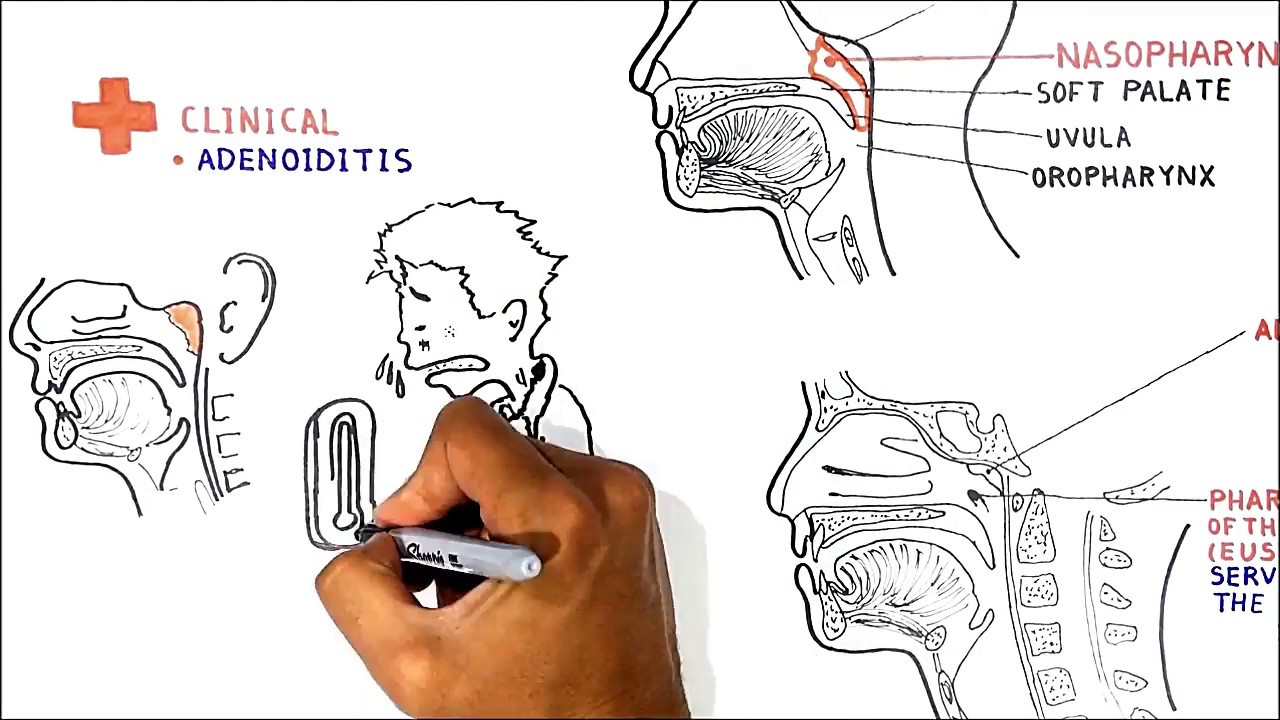
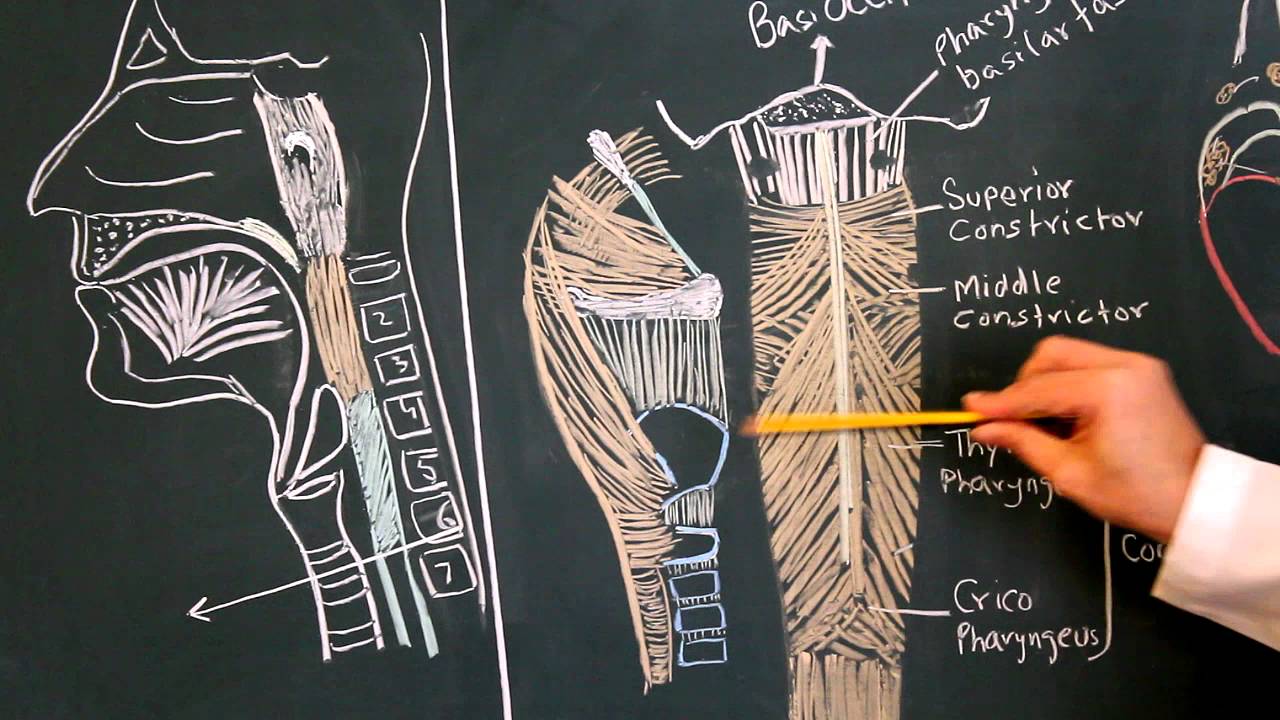
The pharynx is a crucial anatomical structure located in the neck and upper part of the throat. It plays a vital role in both the respiratory and digestive systems, acting as a pathway for air and food.
Anatomy of the Pharynx
The pharynx is a muscular tube approximately 12-14 cm long, extending from the base of the skull to the level of the sixth cervical vertebra. It is divided into three distinct regions:
- Nasopharynx:
* Located posterior to the nasal cavity and above the soft palate.
* Contains the pharyngeal tonsils (adenoids) and the openings of the Eustachian tubes, which connect to the middle ear.
* Primarily involved in the respiratory system, allowing the passage of air from the nasal cavity to the oropharynx.
- Oropharynx:
* Situated posterior to the oral cavity, extending from the soft palate to the epiglottis.
* Contains the palatine tonsils and the lingual tonsils.
* Serves as a passageway for both air and food, playing a role in both respiration and digestion.
- Laryngopharynx (Hypopharynx):
* Located posterior to the larynx, extending from the epiglottis to the esophagus.
* Functions as a pathway for food and air, directing food to the esophagus and air to the larynx.
Functions of the Pharynx
The pharynx serves several essential functions:
- Respiratory Function: The pharynx acts as a conduit for air, facilitating its passage from the nasal cavity to the larynx and subsequently to the lungs. The nasopharynx is specifically adapted for this purpose, with its ciliated epithelium helping to filter and humidify the air.
- Digestive Function: During swallowing, the pharynx plays a critical role in directing food from the mouth to the esophagus. The coordinated contraction of pharyngeal muscles ensures that food is efficiently moved, preventing aspiration into the respiratory tract.
- Immunological Function: The pharynx contains lymphoid tissue, including the tonsils, which are part of the body's immune system. These structures help to trap and destroy pathogens entering through the mouth or nose.
- Phonation: The pharynx contributes to the production of sound by acting as a resonating chamber. It modifies the sound produced by the vocal cords, contributing to the quality and tone of the voice.
Clinical Significance
The pharynx is associated with several clinical conditions, some of which include:
- Pharyngitis: Inflammation of the pharynx, commonly known as a sore throat. It can be caused by viral or bacterial infections, such as the common cold or streptococcal infection.
- Tonsillitis: Inflammation of the tonsils, often resulting in sore throat, difficulty swallowing, and fever. It is frequently caused by viral or bacterial infections.
- Sleep Apnea: A condition characterized by repeated episodes of partial or complete obstruction of the airway during sleep, often involving the pharynx. This can lead to disrupted sleep and other health issues.
- Pharyngeal Cancer: Malignancies can develop in the pharynx, with risk factors including smoking, alcohol consumption, and human papillomavirus (HPV) infection. Symptoms may include a persistent sore throat, difficulty swallowing, and unexplained weight loss.
- Dysphagia: Difficulty swallowing, which can result from structural or functional abnormalities in the pharynx or surrounding areas. It may be associated with neurological disorders, tumors, or other conditions.