Heartworm
Mode of Action

Life Cycle
Symptoms
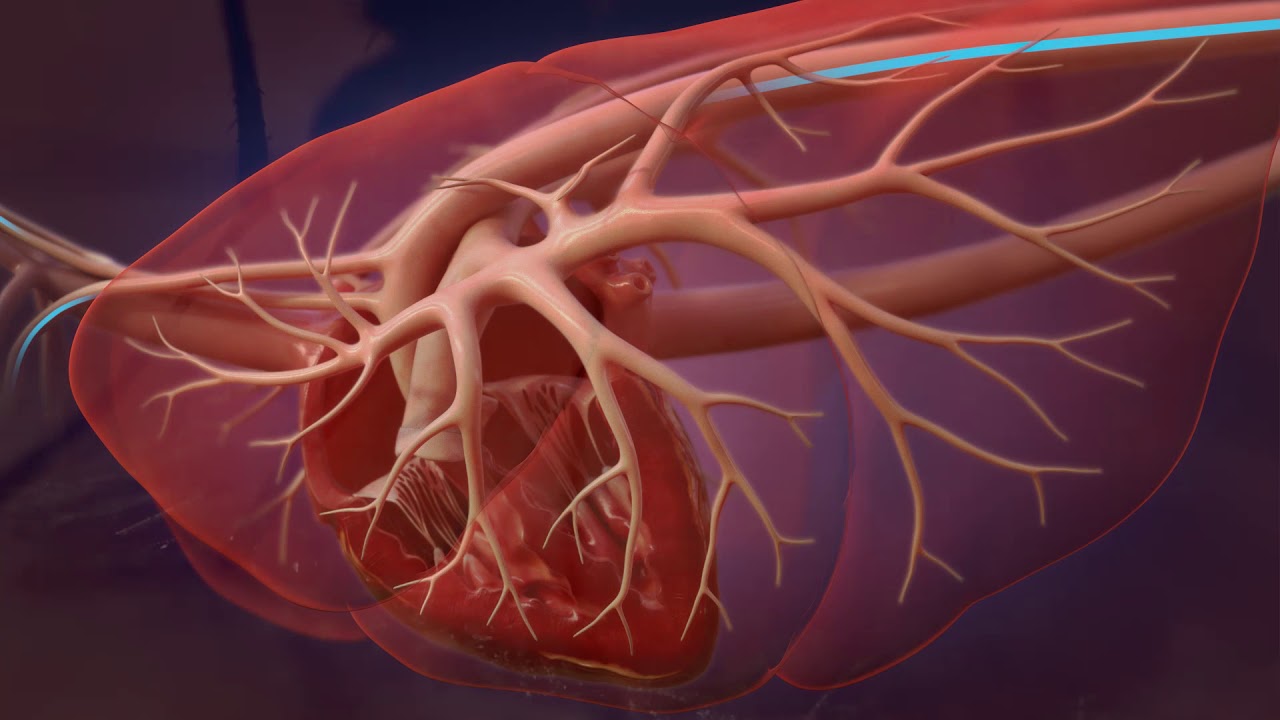
Heartworms can infect both cats and dogs, however, it’s more common in dogs. It actually lives in the heart where it can grow as long as 11 inches and, in a minority of infestations, cause persistent coughing, difficult breathing, weakness, fainting and sometimes even heart failure. Adult heartworms produce young one called microfilaria, which circulate through the bloodstream in greatest numbers when hungry mosquitoes are most likely to be out biting (especially summer evenings). When a mosquito bites the dog or cat it can ingest these microfilaria and later infect another animal.
When a mosquito carries them to a new host, the microfilaria go through two more developmental stages under the skin, after which they enter the bloodstream via nearby veins. After reaching the heart they settle into their new home, where they mature and reproduce their own babies, renewing the cycle about six months after the original mosquito bite.
Diagnosis
A heartworm diagnosis is made when a veterinarian finds microfilaria in the blood, but not necessarily any signs of illness. Just a few worms are insignificant and may not require treatment. Only a small percentage of dogs in an area may be noticeably sick from heartworm, which usually requires infestation with a considerable number of worms.
Drugs for Prevention
Once a dog does show clinical symptoms, treatment can be very involved and almost always requires hospitalization. The drugs used in treatment are very toxic and hard on the animal. Thus, the preferred route is prevention, for which veterinarians prescribe drugs like Diethylcarbamazine ( Filaribits) to inhibit the microfilaria while they are growing just under the skin. Most doctors recommend daily doses, starting several weeks before mosquito season and continuing until two months after its close. This drug is no longer used. In some areas, this means all year.
The other major preventive drug, Ivermectin, is given once a month, killing all the baby worms that have accumulated during that month. Doses can vary according to the dog and the veterinarian’s recommendations, they may be lower and just 4 times a year.
Milbemycin is used for prevention and is now more popular than Ivermectin although some holistic vets prefer Ivermectin since Milbemycin is less understood and and may have greater risk of side effects.
Diethylcarbamazine side effects: (no longer used)
Though these drugs are widely used, it does not mean they are without problems. Side effects of diethylcarbamazine include headache, general malaise, weakness, joint pains, loss of appetite, nausea, vomiting and an eruption on the scrotum. Many of these symptoms are subjective, making them hard to detect and easy to overlook.
Ivermectin side effects:
Ivermectin can lead to even more side effects:vomiting, diarrhea, seizures, paralysis, jaundice and other liver problems, coughing, nose bleeds, high fevers, weakness, dizziness, nerve damage, bleeding disorders, loss of appetite, breathing difficulty, pneumonia, depression, lethargy, sudden aggressive behavior, skin eruptions, tremors and sudden death. In dogs, “white feet don’t treat”, such dogs can have serious side effects with Ivermectin due to a certain genetic characteristics.
Though a minority of dogs experience these reactions, they are seen in many breeds. Veterinarians also report that many dogs get stomach and intestinal upsets, irritability, stiffness and seem to just feel “rotten” for the first one or two weeks after each monthly dose or heartworm protection. An American Veterinary Medical Association report on adverse drug reactions showed that 65% of all drug reactions reported and 48% of all reported deaths cause by drug reactions were from heartworm preventive medicine.
However, these medications may be necessary for animals in highly infested areas since there’s no way to guarantee animals won’t get them. What other choice do we have? Unfortunately, almost all heartworm research is directed toward finding new drugs to killthe microfilaria. Very little attention goes to enhancing the dog or cat’s natural resistance to the parasite. However, we do know several things which make that a promising direction to pursue: One is that wild animals are quire resistant to the parasite.They get very light infestations and then become immune. Another is that an estimated 25-50% of dogs in high-heartworm areas become immune to the microfilaria after being infested and cannot pass them to other dogs. Finally, after being infested by a few heartworms, most dogs do not get more of them even though the are continually bitten by mosquitoes carrying the parasite. They are able to limit the extent of infestation.
All this points to the importance of the health and resistance mounted by the dig itself. Which takes us back to the central thesis: If we care for our pets so as to maximize their health, their resistance to parasites (and disease) will be much higher.
Another overlooked factor arises when we ask why there has been such an extensive spread of heartworm in dogs all over the United States in the last 30 years. Authorities claim the incidence increases whenever we upset the natural balance in a way that increases the mosquito population.
Wild animals like coyotes thrive in the very same conditions, even without preventive drugs. The major difference is lifestyle - fresh raw foods, plenty of exercise, no drugs and no toxic flea products.
It’s frustrating that the incidence of heartworm infestation in dogs in any particular geographic area is the same now as it was in 1982 even after all these years of preventive treatment...the path of continued drug use appears to be a dead-end road.
Some veterinarians have been experimenting with a homeopathic preventive made from microfilaria-infected blood, called a heartworm nosode. Only small clinical studies have been done so far, early results are encouraging but more research needs to be done. You can find it here
Prevention
For those committed to a natural, non-chemical approach here are some suggestions (including the heartworm nosode above). Use a completely natural (preferably organic) raw food diet fortified with raw garlic and liberal amounts of yeast. These foods help repel mosquitoes from the skin in some animals. You can keep your dog or cat indoors in the evenings and night. Use a natural insect repellent if they do go outside. For dogs, rub one drop of eucalyptus oil, diluted in one cup of warm water, over the muzzle and the area between the anus and genitals (favorite mosquito-biting areas. Be careful to avoid rubbing the oil on the sensitive tissues of the eyes and mucous membranes.
Here is a natural product: ONLY NATURAL PET HW PROTECT LIQUID HERBAL FORMULA FOR DOGS & CATS
Treatment
Remember that the presence of one or two heartworms is not serious in itself. But the dog who has a large number of worms and has also developed heart problems is in trouble. The treatment of such a condition requires experienced supervision because the dog could undergo heart failure or embolism (internal blood clots). So follow your veterinarian’s treatment program. If you can, find one who uses herbal treatment, acupuncture or homeopathic medicine. Referral sources can be found at Holistic Veterinary Training and Organizations. In addition, use the diet under Heart Problems.