DNA Structure
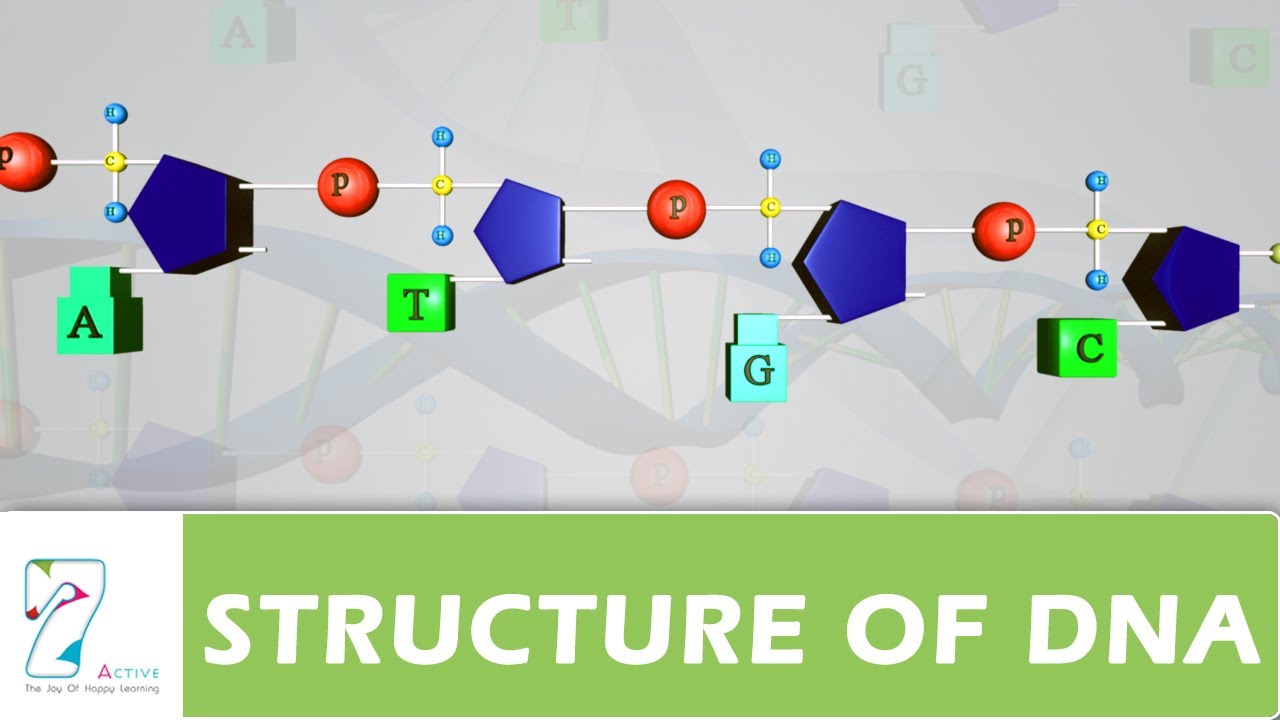

Deoxyribonucleic acid (DNA) is the hereditary material in humans and almost all other organisms. Nearly every cell in a person’s body has the same DNA. Most DNA is located in the cell nucleus (where it is called nuclear DNA), but a small amount of DNA can also be found in the mitochondria (where it is called mitochondrial DNA or mtDNA). The information in DNA is stored as a code made up of four chemical bases: adenine (A), guanine (G), cytosine (C), and thymine (T).
The Double Helix
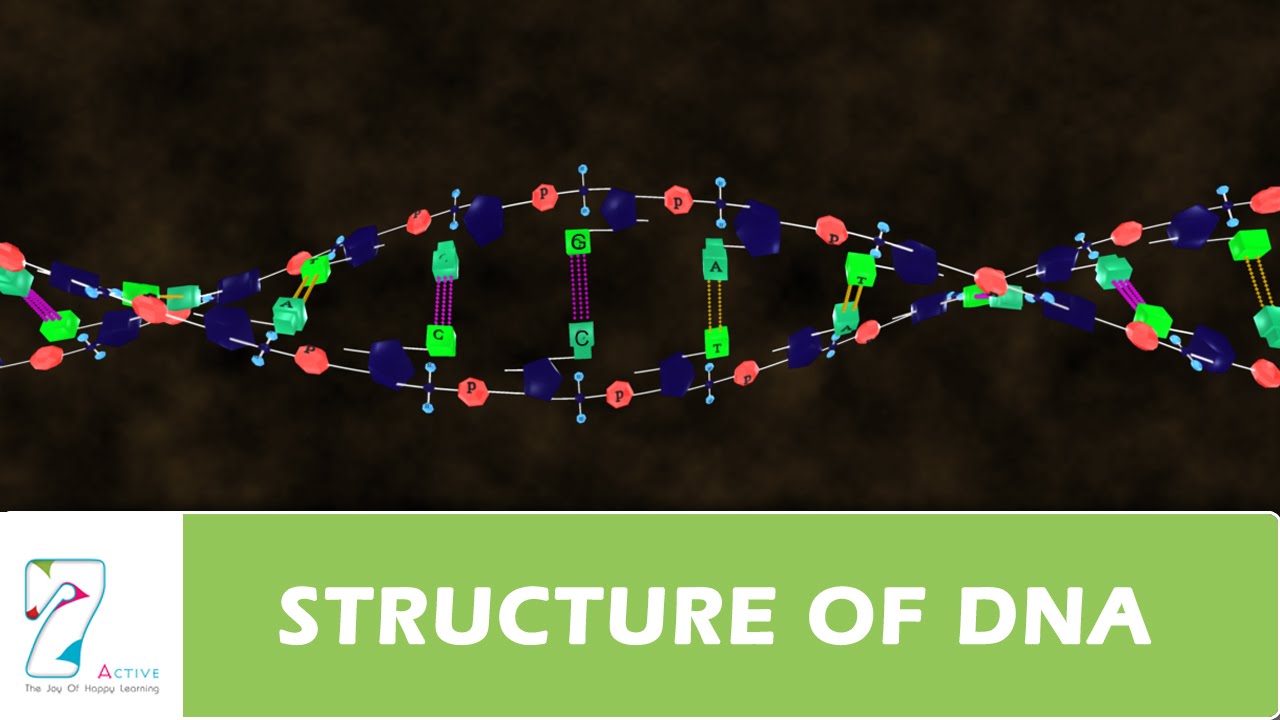
The structure of DNA is famously known as a double helix. This model was first described by James Watson and Francis Crick in 1953. The double helix looks like a twisted ladder, where the sides of the ladder are made up of alternating sugar (deoxyribose) and phosphate groups. The rungs of the ladder are pairs of nitrogenous bases.
Base Pairing
The nitrogenous bases pair in a specific way: adenine pairs with thymine (A-T) and guanine pairs with cytosine (G-C). These pairs are held together by hydrogen bonds, which are relatively weak bonds that allow the DNA to unzip for replication and transcription. The A-T pair forms two hydrogen bonds, while the G-C pair forms three hydrogen bonds, making the G-C pair slightly more stable.
DNA Replication
DNA replication is the process by which DNA makes a copy of itself during cell division. This is a critical process because it ensures that each new cell receives an exact copy of the DNA. The process begins with the unwinding of the double helix by an enzyme called helicase. This creates a replication fork where the DNA is split into two single strands.
Leading and Lagging Strands
Replication occurs differently on the two strands of DNA. The leading strand is synthesized continuously in the direction of the replication fork by the enzyme DNA polymerase. The lagging strand, however, is synthesized in short segments called Okazaki fragments, which are later joined together by the enzyme DNA ligase.
DNA Transcription and Translation
DNA is not only responsible for replication but also for the production of proteins, which are essential for the functioning of cells. This process involves two main steps: transcription and translation.
Transcription
During transcription, a segment of DNA is copied into RNA (ribonucleic acid) by the enzyme RNA polymerase. This RNA molecule, called messenger RNA (mRNA), carries the genetic information from the DNA in the nucleus to the ribosomes in the cytoplasm, where proteins are synthesized.
Translation
In translation, the mRNA is read by the ribosome in sets of three bases called codons. Each codon specifies a particular amino acid, which are the building blocks of proteins. Transfer RNA (tRNA) molecules bring the appropriate amino acids to the ribosome, where they are linked together to form a protein.
Genetic Variation
Genetic variation is the difference in DNA sequences between individuals. This variation is what makes each individual unique. It can occur through mutations, which are changes in the DNA sequence. Mutations can be caused by errors during DNA replication or by environmental factors such as UV light and chemicals.
Types of Mutations
- Point Mutations: Changes in a single nucleotide base pair.
- Insertions and Deletions: Addition or loss of nucleotide bases.
- Frameshift Mutations: Insertions or deletions that change the reading frame of the genetic message.
- Chromosomal Mutations: Changes in the structure or number of entire chromosomes.
Articles/Studies
Which sequences make DNA unwrap and breathe?
Surprising Arrangement of DNA in the Cell’s Nucleus Revealed by Novel Imaging Method
DNA Supercoiling: DNA Structure Itself Is Involved in Genome Regulation