Black Needle Bulrush
Constituents
The Black Needle Bulrush, scientifically known as Juncus roemerianus, is a perennial plant species that belongs to the Juncaceae family. This plant is commonly found in coastal marshes and wetlands, particularly in the southeastern United States. It plays a crucial role in these ecosystems, providing habitat and food for various wildlife species and contributing to the overall health of the marshlands.
Description
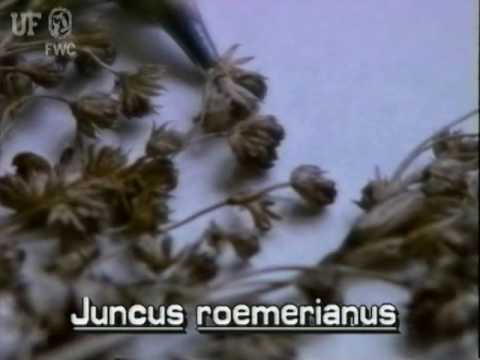
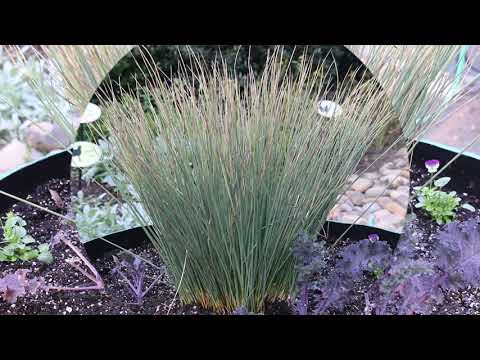
The Black Needle Bulrush is characterized by its tall, slender, and dark green to blackish stems, which can grow up to 1.5 meters (approximately 5 feet) in height. The stems are cylindrical and hollow, with a sharp, needle-like tip, hence the name "needle bulrush." The plant produces small, inconspicuous flowers that are typically brownish or greenish in color and are arranged in clusters at the top of the stems.
Habitat and Distribution
Juncus roemerianus is predominantly found in brackish and saltwater marshes along the Atlantic and Gulf coasts of the United States, from New Jersey to Texas. It thrives in areas with high salinity and can tolerate periodic flooding and fluctuating water levels. The plant is well-adapted to the harsh conditions of coastal environments, including high winds, salt spray, and varying temperatures.
Ecological Importance
The Black Needle Bulrush plays a vital role in coastal ecosystems. Some of its key ecological functions include:
- Habitat Provision: The dense stands of Juncus roemerianus provide shelter and nesting sites for a variety of bird species, including marsh wrens, red-winged blackbirds, and seaside sparrows. The plant also offers habitat for small mammals, reptiles, and amphibians.
- Erosion Control: The extensive root system of the Black Needle Bulrush helps stabilize the soil and prevent erosion, particularly in areas prone to tidal action and storm surges.
- Water Filtration: The plant's roots and stems act as natural filters, trapping sediments and pollutants from the water, thereby improving water quality in the marshes.
- Food Source: The seeds and stems of Juncus roemerianus serve as a food source for various wildlife species, including waterfowl and small mammals.
Adaptations
The Black Needle Bulrush has several adaptations that enable it to survive and thrive in its challenging coastal habitat:
- Salt Tolerance: The plant has specialized cells that can excrete excess salt, allowing it to survive in high-salinity environments.
- Flood Tolerance: Juncus roemerianus can withstand prolonged periods of flooding due to its ability to transport oxygen to its submerged roots through specialized air channels in its stems.
- Wind Resistance: The flexible, slender stems of the plant can bend and sway with the wind, reducing the risk of breakage during storms.
Conservation and Management
Despite its resilience, the Black Needle Bulrush faces several threats, including habitat loss due to coastal development, pollution, and climate change. Rising sea levels and increased storm frequency and intensity pose significant risks to coastal marshes and the species that inhabit them.
Conservation efforts for Juncus roemerianus and its habitat include:
- Habitat Protection: Preserving and restoring coastal marshes through the establishment of protected areas and the implementation of sustainable land-use practices.
- Pollution Control: Reducing the input of pollutants, such as agricultural runoff and industrial waste, into coastal waters to maintain water quality and ecosystem health.
- Climate Change Mitigation: Implementing strategies to mitigate the impacts of climate change, such as reducing greenhouse gas emissions and enhancing the resilience of coastal ecosystems through habitat restoration and the creation of living shorelines.