Spinal Shock
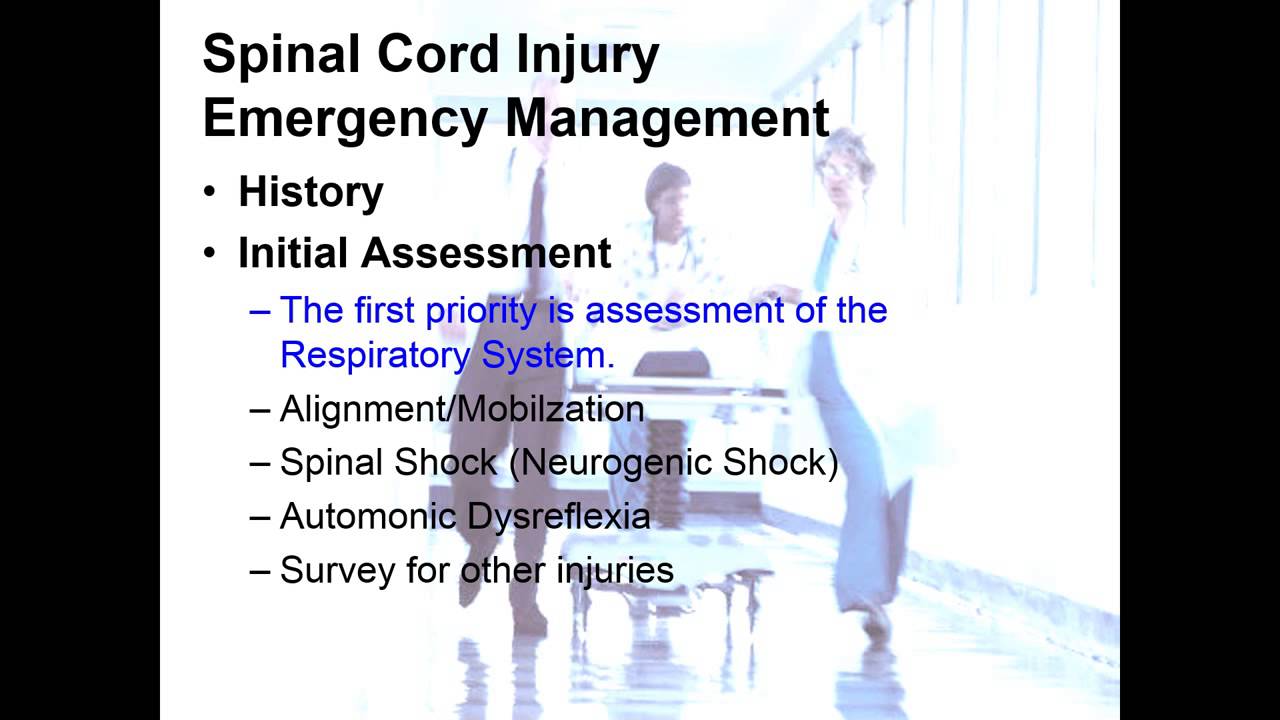
Spinal shock is a complex physiological response that occurs following an acute spinal cord injury. It is characterized by a temporary loss or depression of all or most spinal reflex activity below the level of the injury. This condition can have significant implications for the diagnosis, treatment, and prognosis of spinal cord injuries.
Phases of Spinal Shock
Spinal shock is typically divided into four distinct phases, each with its own characteristics and clinical implications:
- Phase 1: Areflexia/Hyporeflexia
- This initial phase occurs immediately after the injury and can last from a few hours to several days.
- During this phase, there is a complete loss of reflexes below the level of the injury due to the sudden disruption of neural pathways.
- Patients may experience flaccid paralysis and loss of sensation.
- Phase 2: Initial Return of Reflexes
- This phase begins as early as 1 to 3 days post-injury and can last up to several weeks.
- Some reflexes, such as the bulbocavernosus reflex, may start to return, indicating the beginning of recovery.
- The return of reflexes is often inconsistent and may vary in intensity.
- Phase 3: Hyperreflexia
- Occurring weeks to months after the injury, this phase is marked by the return of more complex reflexes.
- Reflexes may become exaggerated or hyperactive due to the loss of inhibitory control from higher centers.
- Spasticity and muscle tone may increase, which can be both beneficial and challenging for rehabilitation.
- Phase 4: Stabilization
- This final phase can last for months to years, during which reflexes stabilize.
- The nervous system adapts to the new state, and some voluntary motor function may return.
- Long-term management strategies are developed to address spasticity and other complications.
Clinical Implications
Understanding the phases of spinal shock is essential for clinicians to accurately assess and manage spinal cord injuries. The presence of spinal shock can complicate the initial evaluation of the injury's severity, as the temporary loss of reflexes and motor function may mask the true extent of the damage. It is crucial to differentiate between spinal shock and permanent neurological deficits to provide appropriate care and set realistic expectations for recovery.
Diagnosis and Monitoring
Diagnosing spinal shock involves a thorough clinical examination and monitoring of reflex activity. Key diagnostic indicators include:
- Loss of deep tendon reflexes
- Flaccid paralysis
- Absence of autonomic reflexes, such as sweating and vasomotor tone
Monitoring the progression through the phases of spinal shock is vital for adjusting treatment plans and rehabilitation strategies. Regular neurological assessments help track the return of reflexes and motor function, guiding therapeutic interventions.
Treatment and Management
While there is no specific treatment for spinal shock itself, management focuses on supporting the patient through the recovery process and addressing complications. Key aspects of management include:
- Stabilization of the Spine: Immediate immobilization and stabilization of the spine are critical to prevent further injury.
- Supportive Care: Maintaining adequate ventilation, circulation, and nutrition is essential for overall recovery.
- Rehabilitation: Physical and occupational therapy play a crucial role in maximizing functional recovery and adapting to new physical limitations.
- Spasticity Management: Medications such as baclofen or tizanidine may be used to manage spasticity and improve comfort.
Prognosis
The prognosis for individuals experiencing spinal shock varies widely depending on the level and severity of the spinal cord injury. While some patients may experience significant recovery of function, others may have permanent deficits. Early intervention and comprehensive rehabilitation are key factors in optimizing outcomes.