Mast Cell, Overactive
Videos
The Root Cause of Histamine & Mast Cell Symptoms
Mast cells are a type of white blood cell that play a crucial role in the body's immune response. They are found in various tissues throughout the body, including the skin, lungs, and digestive tract. These cells are best known for their role in allergic reactions and anaphylaxis, but they also contribute to wound healing, defense against pathogens, and the regulation of other immune responses. However, when mast cells become overactive, they can cause a range of health issues.
Causes of Overactive Mast Cells
Overactive mast cells can be triggered by various factors, including:
- Allergens: Substances like pollen, pet dander, and certain foods can activate mast cells.
- Infections: Bacterial, viral, or fungal infections can stimulate mast cell activity.
- Physical Stimuli: Heat, cold, and pressure can also trigger mast cells.
- Medications: Some drugs, such as opioids and certain antibiotics, can activate mast cells.
- Genetic Factors: Some individuals may have a genetic predisposition to overactive mast cells.
Symptoms of Overactive Mast Cells
When mast cells are overactive, they release excessive amounts of histamine and other chemicals, leading to a variety of symptoms. These can include:
- Allergic Reactions: Symptoms such as hives, itching, and swelling.
- Gastrointestinal Issues: Nausea, vomiting, diarrhea, and abdominal pain.
- Respiratory Problems: Wheezing, shortness of breath, and nasal congestion.
- Cardiovascular Symptoms: Flushing, rapid heartbeat, and low blood pressure.
- Neurological Symptoms: Headaches, dizziness, and brain fog.
Conditions Associated with Overactive Mast Cells
Several medical conditions are associated with overactive mast cells, including:
Mastocytosis
Mastocytosis is a rare disorder characterized by an abnormal accumulation of mast cells in the skin and other organs. It can be classified into two main types:
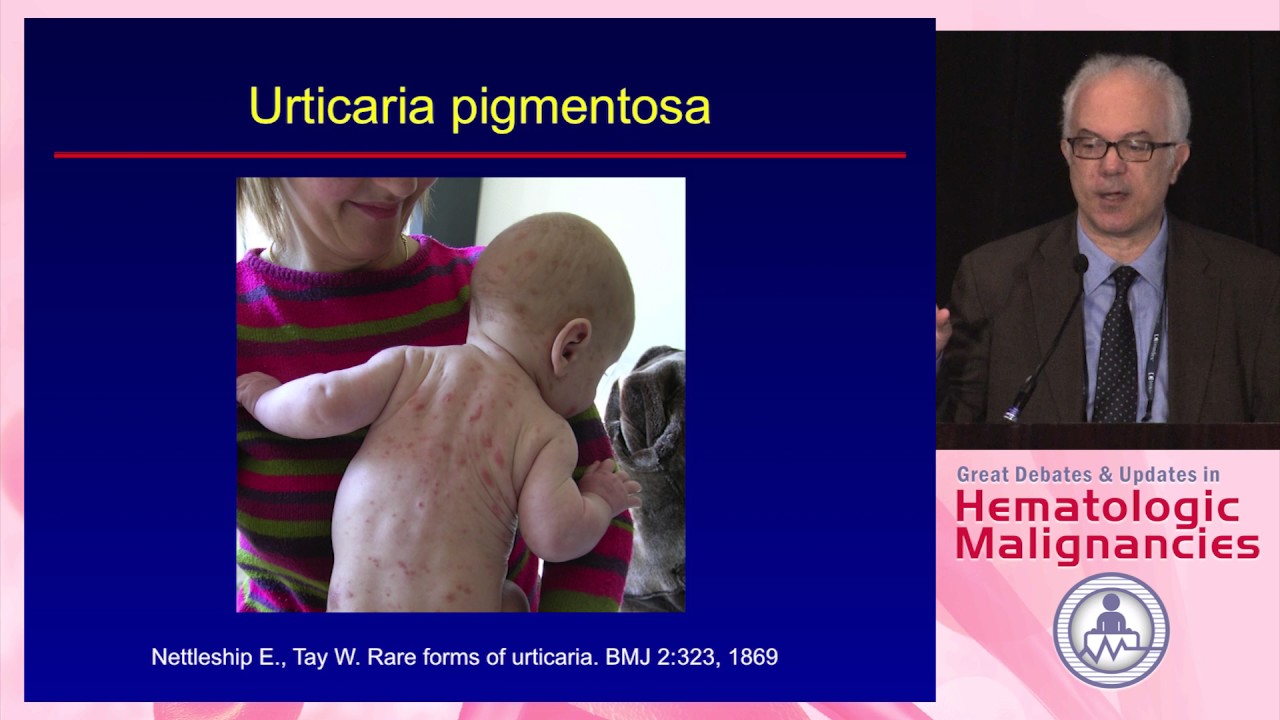
- Cutaneous Mastocytosis: Primarily affects the skin, leading to symptoms like itching, redness, and blistering.
- Systemic Mastocytosis: Involves multiple organs and can cause a wide range of symptoms, including gastrointestinal and cardiovascular issues.
Mast Cell Activation Syndrome (MCAS)
MCAS is a condition where mast cells are overly responsive and release excessive amounts of chemicals, even in the absence of an obvious trigger. This can lead to chronic symptoms affecting multiple systems in the body.
Diagnosis of Overactive Mast Cells
Diagnosing overactive mast cells can be challenging due to the wide range of symptoms and potential triggers. A thorough medical history and physical examination are essential. Additional diagnostic tests may include:
- Blood Tests: To measure levels of tryptase, a marker of mast cell activation.
- Urine Tests: To detect elevated levels of histamine and its metabolites.
- Skin Biopsy: To examine the number and appearance of mast cells in the skin.
- Bone Marrow Biopsy: In cases of suspected systemic mastocytosis, to assess mast cell infiltration in the bone marrow.
MEDICAL TREATMENT OPTIONS
Treatment for overactive mast cells focuses on managing symptoms and avoiding triggers. Options may include:
- Antihistamines: To block the effects of histamine and reduce allergic symptoms.
- Mast Cell Stabilizers: Medications like cromolyn sodium can help prevent mast cells from releasing their contents.
- Corticosteroids: To reduce inflammation and suppress the immune response.
- Epinephrine: For emergency treatment of severe allergic reactions and anaphylaxis.
- Dietary Changes: Avoiding known food triggers and following a low-histamine diet.
Living with Overactive Mast Cells
Managing overactive mast cells requires a proactive approach. Patients should work closely with their healthcare providers to develop a personalized treatment plan. This may involve:
- Regular Monitoring: Keeping track of symptoms and potential triggers.
- Emergency Preparedness: Carrying an epinephrine auto-injector for severe allergic reactions.
- Lifestyle Adjustments: Making changes to reduce exposure to known triggers, such as allergens and stress.
Articles/Studies
- Marine brevetoxin induces IgE-independent mast cell activation.
- Peach extract inhibits mast cell-derived allergic inflammation.
- Loquat may have therapeutic value in cell-mediated allergic inflammation.
- Schisandra extract inhibits the secretion of pro-inflammatory cytokines in human mast cells.
- Pycnogenol inhibits the release of histamine from mast cells.
- Bee pollen has anti-allergic action related to the inhibition of mast cell degranulation.
- Milonine, an Alkaloid of *Cissampelos sympodialis* Eichl. (Menispermaceae) Inhibits Histamine Release of Activated Mast Cells