Rhamnetin
Detailed Mechanism for the Synthesis Of Kaempferol and Rhamnetin| Derivatives Of Flavonoids|
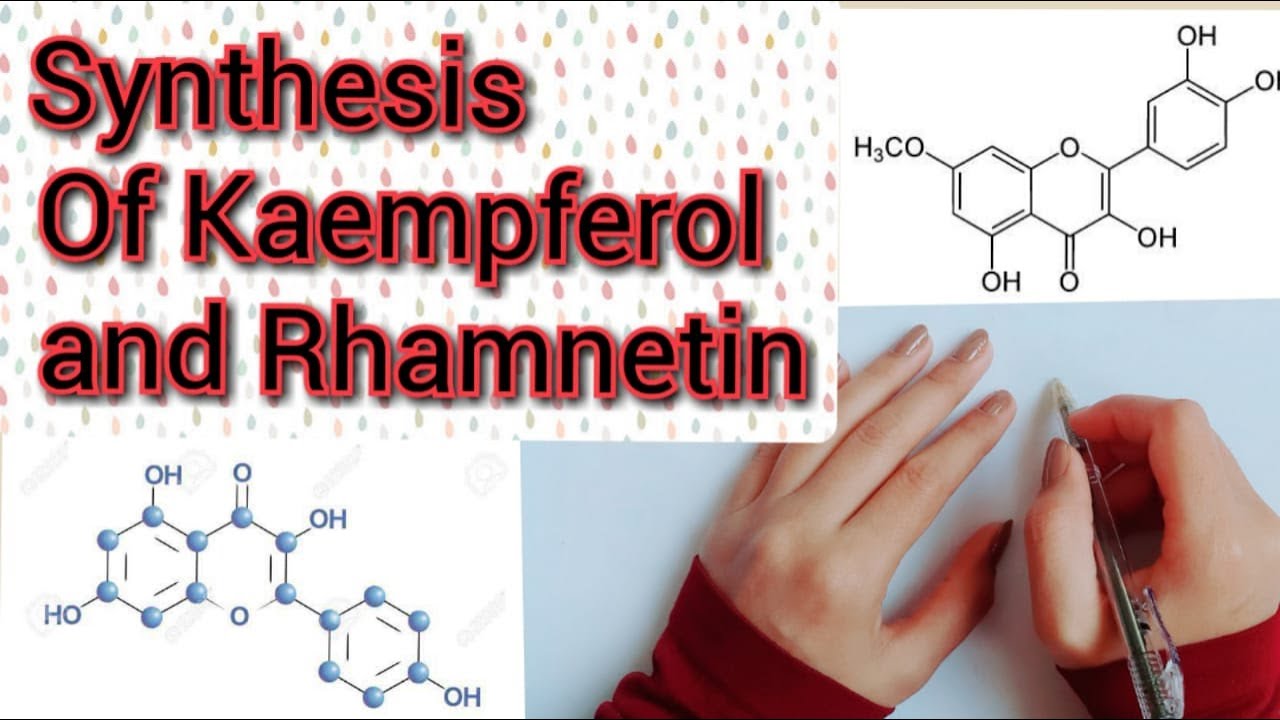
Rhamnetin is a naturally occurring flavonoid, a type of plant secondary metabolite known for its diverse biological activities. It is a methylated derivative of quercetin, another well-known flavonoid, and is found in various plants, including cloves, sweet annie, and certain types of buckwheat. This compound has garnered attention in the scientific community due to its potential health benefits and therapeutic properties.
Chemical Structure and Properties
Rhamnetin, chemically known as 7-O-methylquercetin, has the molecular formula C16H12O7. It is characterized by its yellow crystalline appearance and is soluble in organic solvents like ethanol and methanol. The compound's structure includes a flavone backbone with a methoxy group at the 7th position, which distinguishes it from its parent compound, quercetin.
Sources of Rhamnetin
Rhamnetin is primarily found in:
- Cloves: A spice derived from the flower buds of the clove tree, known for its aromatic properties.
- Sweet Annie (Artemisia annua): A plant used in traditional medicine, particularly in the treatment of malaria.
- Buckwheat: A pseudocereal rich in flavonoids, including rhamnetin, which contributes to its health-promoting properties.
Biological Activities
Rhamnetin exhibits a range of biological activities that make it a compound of interest for health and therapeutic applications:
Antioxidant Properties
Rhamnetin is known for its potent antioxidant activity. It helps in scavenging free radicals, thereby protecting cells from oxidative stress and damage. This property is crucial in preventing chronic diseases such as cancer, cardiovascular diseases, and neurodegenerative disorders.
Anti-inflammatory Effects
The compound has demonstrated significant anti-inflammatory effects. It inhibits the production of pro-inflammatory cytokines and mediators, which are involved in the inflammatory response. This makes rhamnetin a potential candidate for managing inflammatory conditions like arthritis and inflammatory bowel disease.
Anticancer Potential
Research has shown that rhamnetin possesses anticancer properties. It can induce apoptosis (programmed cell death) in cancer cells and inhibit their proliferation. Studies have particularly highlighted its effectiveness against breast, colon, and liver cancers. The compound's ability to modulate signaling pathways involved in cancer progression is a key area of ongoing research.
Cardioprotective Effects
Rhamnetin contributes to cardiovascular health by improving lipid profiles and reducing oxidative stress in the cardiovascular system. It has been shown to lower cholesterol levels and prevent the oxidation of low-density lipoprotein (LDL), which is a major risk factor for atherosclerosis and heart disease.
Neuroprotective Benefits
The neuroprotective effects of rhamnetin are attributed to its antioxidant and anti-inflammatory properties. It may help in protecting neurons from damage and degeneration, offering potential benefits in the management of neurodegenerative diseases like Alzheimer's and Parkinson's.
Potential Applications
Given its diverse biological activities, rhamnetin has potential applications in various fields:
- Pharmaceuticals: As a natural compound with therapeutic properties, rhamnetin could be developed into drugs for treating inflammatory diseases, cancer, and cardiovascular disorders.
- Nutraceuticals: Rhamnetin can be incorporated into dietary supplements aimed at promoting overall health and preventing chronic diseases.
- Cosmetics: Due to its antioxidant properties, rhamnetin may be used in skincare products to protect the skin from oxidative damage and aging.
Challenges and Future Directions
Despite its promising benefits, the application of rhamnetin faces several challenges:
- Bioavailability: Like many flavonoids, rhamnetin has low bioavailability, which limits its effectiveness when consumed orally. Research is ongoing to develop formulations that enhance its absorption and bioavailability.
- Toxicity and Safety: Comprehensive studies on the toxicity and safety of rhamnetin are necessary to ensure its safe use in humans.
- Clinical Trials: More clinical trials are needed to validate the therapeutic potential of rhamnetin and establish effective dosages for various health conditions.
Articles/Studies
Anti-Inflammatory
Cancer
- Rhamnetin, a nutraceutical flavonoid arrests cell cycle progression of human ovarian cancer (SKOV3) cells.
- Rhamnetin decelerates the elimination and enhances the antitumor effect of the molecular-targeting agent sorafenib in hepatocellular carcinoma cells.
- Rhamnetin induces apoptosis in human breast cancer cells.
- Rhamnetin induces sensitization of hepatocellular carcinoma cells to a small molecular kinase inhibitor or chemotherapeutic agents.
Cardiovascular
- Rhamnetin ameliorates macrophage-mediated inflammation and pro-atherosclerosis pathways.
- Cardioprotective effects of rhamnetin in H9c2 cardiomyoblast cells under H₂O₂-induced apoptosis.
Hepatoprotective
Rhamnetin ameliorates non-alcoholic steatosis and hepatocellular carcinoma in vitro.
HIV
Rhamnetin showed better inhibitory activity at the target's active site than Dolutegravir.
Microplastics
Rhamnetin alleviates polystyrene microplastics-induced testicular damage.
Neuroprotective
- Anti-inflammatory effects of rhamnetin on bradykinin-induced matrix metalloproteinase-9 expression and cell migration in rat brain astrocytes.
- Rhamnetin attenuates cognitive deficit and inhibits hippocampal inflammatory response and oxidative stress in rats with traumatic brain injury.