Ecological Studies
Rainforests, the epitome of biodiversity and ecological complexity, have long captivated the attention of scientists worldwide. Ecological studies in rainforest research aim to unravel the intricate web of interactions among the countless organisms that inhabit these lush ecosystems. By studying these unparalleled environments, scientists gain valuable insights into the delicate balance of nature and the potential consequences of disturbances. This summary delves into the world of rainforest research, highlighting the significance and methods employed in ecological studies.
The Significance of Rainforest Research
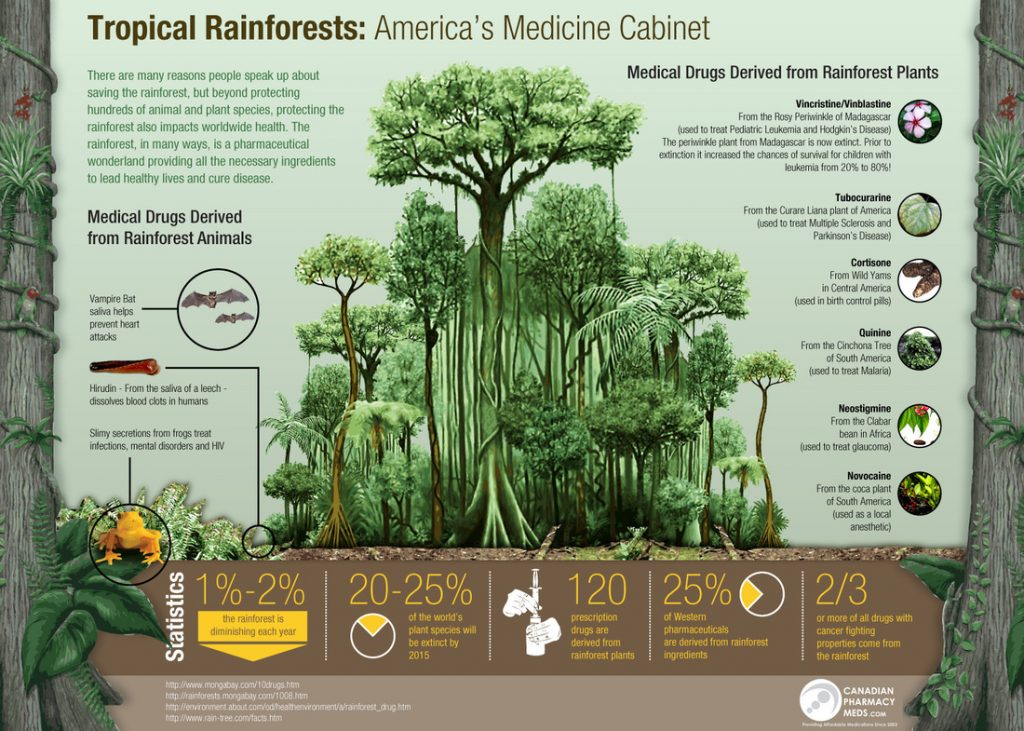
Rainforests, which cover only 6% of the Earth's land surface, are home to over half of all known plant and animal species. This extraordinary biodiversity makes rainforests invaluable resources for understanding ecological patterns, processes, and the resilience of ecosystems. Moreover, these ecosystems provide crucial environmental services, such as regulating climate, purifying water, and supporting local and global economies through ecotourism and sustainable resource extraction. To ensure the continued survival of rainforests and the myriad of species they nurture, it is essential to comprehend their complex dynamics through ecological studies.
Methods in Rainforest Ecological Studies
Ecological studies in rainforest research are multifaceted and employ a range of methods to navigate the challenging terrain and species-rich habitats. Some common techniques include:
- Biodiversity Surveys: Scientists conduct comprehensive surveys of flora and fauna to assess species richness, abundance, and distribution. These surveys employ a variety of tools, such as camera traps, acoustic monitoring, and DNA sequencing.
- Canopy Research: Given the vertical structure of rainforests, scientists often utilize canopy access techniques, including tree climbing, canopy walkways, and aerial platforms, to examine the unique biodiversity and ecological processes occurring within the canopy layer.
- Ecophysiology: Ecophysiological studies investigate the physiological adaptations of organisms to their rainforest environments. This includes measuring plant water relations, leaf gas exchange, and nutrient cycling to understand their responses to changing environmental conditions.
- Remote Sensing: Satellite imagery and remote sensing techniques provide valuable information on forest structure, land cover changes, and ecosystem functioning. These tools allow researchers to monitor and analyze large-scale ecological patterns over time.
- Community Dynamics: Ecologists study the interactions between species and their impacts on the overall community structure and function. This is achieved through long-term monitoring, ecological experiments, and the use of statistical models.
- Conservation and Restoration: Ecological studies in rainforest research also play a vital role in conservation efforts. By identifying threatened species, assessing ecological impacts, and developing restoration strategies, researchers contribute to the preservation and recovery of rainforest ecosystems.
While these methods provide essential insights into rainforest dynamics, ecological studies are not without challenges. The dense vegetation, difficult terrain, limited access, and immense species diversity present hurdles that researchers must overcome with innovative approaches and interdisciplinary collaboration.
The Future of Rainforest Research
Rainforests face unprecedented threats, including deforestation, habitat fragmentation, and climate change. Understanding these challenges and their potential consequences for biodiversity and ecosystem functioning is essential for effective conservation and sustainable management. Ecological studies in rainforest research will continue to play a crucial role in addressing these complex issues, providing scientific evidence to inform policy decisions and prioritize conservation efforts.
In conclusion, ecological studies in rainforest research serve as a gateway to understanding the intricacies of these extraordinary ecosystems. By employing diverse methods and exploring various ecological dimensions, scientists contribute to the greater understanding and preservation of rainforests, ensuring their invaluable benefits are safeguarded for future generations.