Amazon Rainforest
The Amazon Rainforest is a vast, bio-diverse treasure located in South America. This magnificent ecosystem spans over 5.5 million square kilometers, covering nine countries including Brazil, Peru, Colombia, and Venezuela. It represents more than half of the world's remaining rainforests, making it one of the most important and bio-diverse regions on the planet.
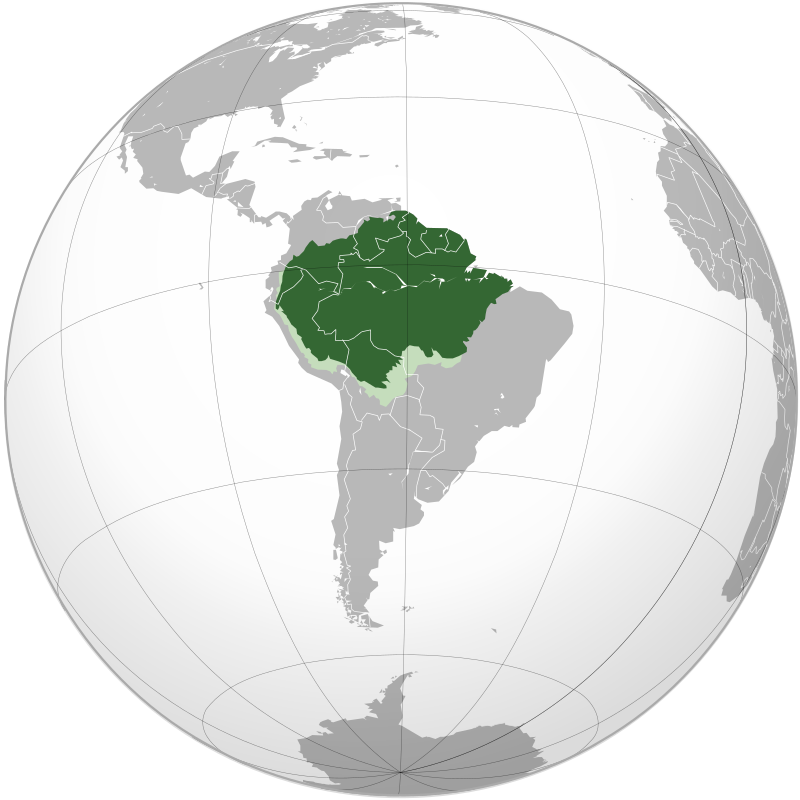
Here are some incredible facts about the Amazon Rainforest:
- It is home to a staggering amount of plant and animal species, many of which are found nowhere else on Earth. The rainforest is estimated to contain over 390 billion individual trees, representing more than 16,000 species. These trees provide habitat for millions of species, including monkeys, toucans, jaguars, and dolphins, just to name a few.
- The Amazon River, which runs through the rainforest, is the second longest river in the world. Along its 6,400-kilometer course, it carries more water than any other river, accounting for approximately 20% of all freshwater that enters the world's oceans.
- The rainforest also plays a vital role in regulating the Earth's climate. Its trees store vast amounts of carbon dioxide, helping to reduce the impacts of global warming. Additionally, the rainforest produces around 20% of the world's oxygen, earning it the title "the lungs of the Earth."
Despite its incredible ecological importance, the Amazon Rainforest is facing numerous threats that put its future at risk. Here are some of the main challenges it is currently facing:
- Deforestation: The expansion of agriculture, mining, and logging industries poses a significant threat to the Amazon Rainforest. Large areas of forest are being cleared every year, leading to habitat loss, increased carbon emissions, and the displacement of Indigenous communities.
- Climate Change: Rising temperatures and changing rainfall patterns have the potential to disrupt the delicate balance of the rainforest. Droughts and forest fires, which have been increasing in frequency and severity, can devastate large areas of the forest and further exacerbate the effects of deforestation.
- Illegal Wildlife Trade: The Amazon Rainforest is home to countless unique and endangered species, making it a target for illegal wildlife trade. Animals are captured and sold on the black market, leading to a decline in populations and disrupting the delicate ecological balance.
- Indigenous Rights: Indigenous communities have been living sustainably within the rainforest for centuries. However, their rights and way of life are under threat from land encroachments and extractive industries. Preserving their rights and protecting their lands are essential for the survival of the rainforest.
Efforts are being made by both local and international organizations to protect and preserve the Amazon Rainforest. Various strategies are implemented, such as:
- Creating Protected Areas: Establishing and expanding protected areas within the rainforest helps safeguard its biodiversity and ensures the long-term preservation of its ecosystems.
- Supporting Sustainable Practices: Encouraging sustainable farming techniques, such as agroforestry and organic agriculture, can reduce the pressure for further deforestation and promote better land management practices.
- Engaging Indigenous Communities: Recognizing and respecting the rights of Indigenous communities is crucial for the sustainable management of the rainforest. Involving them in decision-making processes and providing support for their traditional practices can help preserve the forest ecosystems.
In conclusion, the Amazon Rainforest is an unparalleled natural wonder with immense ecological significance. Its unrivaled biodiversity, role in regulating the climate, and cultural importance cannot be overstated. However, urgent action is needed to address the threats it is facing and to ensure its long-term survival. Only through collaboration and a commitment to sustainable practices can we secure the future of this magnificent rainforest for generations to come.