Borneo Rainforest
The Magnificent Borneo Rainforest
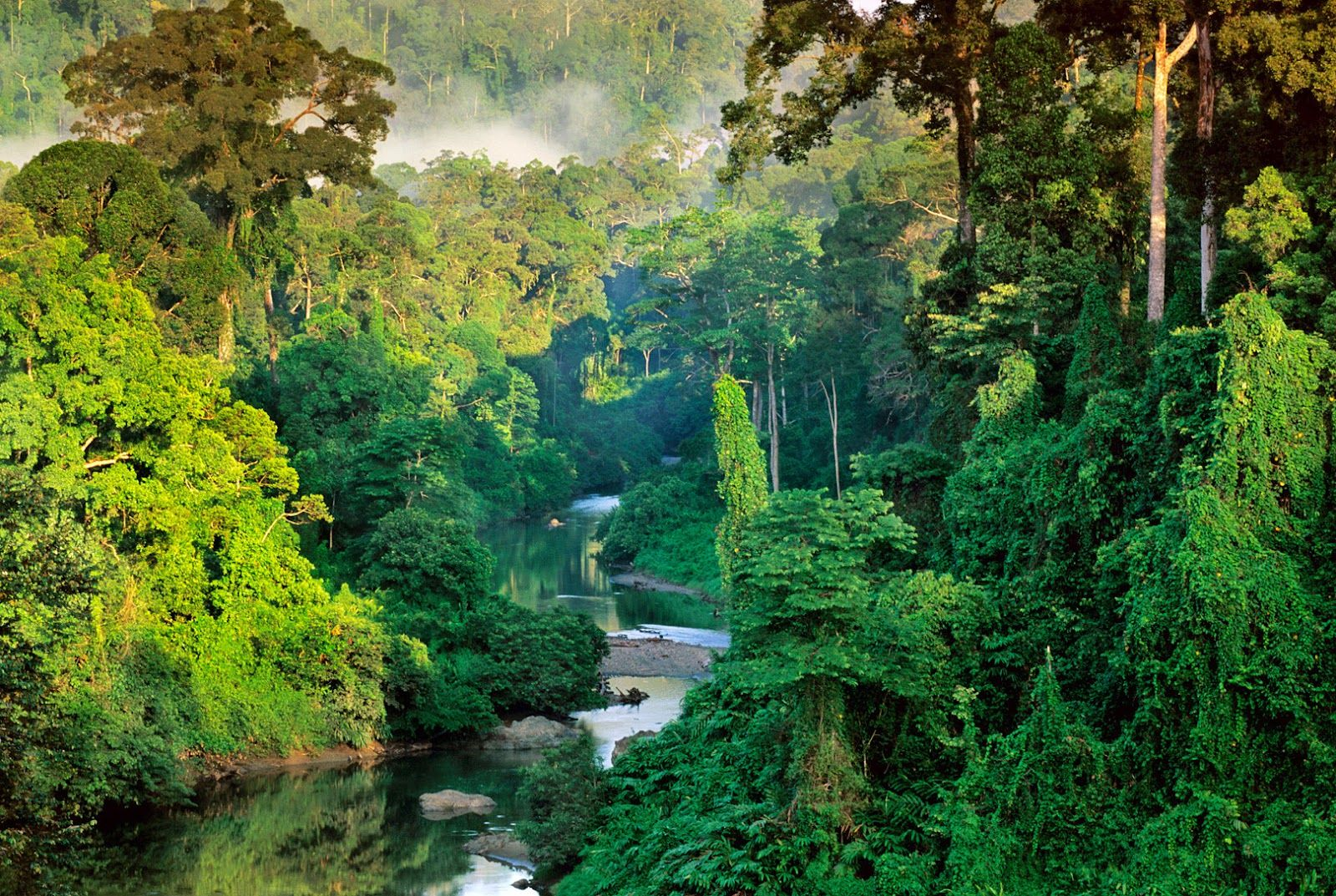
The Borneo Rainforest is a natural wonder that captivates the imagination with its sheer size, rich biodiversity, and ecological significance. Spanning over 220,000 square miles, it is the third-largest rainforest in the world, attracting nature enthusiasts, scientists, and adventurers from around the globe.
A World of Flora and Fauna
The Borneo Rainforest is famed for its incredible biodiversity. It is home to approximately 15,000 plant species, including a vast array of vibrant orchids, towering trees, and unique carnivorous plants. With such a diverse ecosystem, it serves as a sanctuary for countless animal species as well. Among its inhabitants are iconic animals like orangutans, pygmy elephants, and Sumatran rhinoceroses. Additionally, the forest supports numerous bird species, including the endangered Bornean bristlehead and the rhinoceros hornbill.
Cultural Heritage
The Borneo Rainforest is not only a natural treasure but also holds immense cultural significance. It is inhabited by various indigenous communities, such as the Dayak people, who have been living in harmony with the forest for centuries. These communities coexist with nature, depending on the forest for their survival. Their unique traditions, rituals, and folklore are deeply interwoven with the rainforest, creating a rich tapestry of cultural heritage.
Environmental Challenges
However, the Borneo Rainforest faces numerous environmental challenges. Deforestation for agriculture, logging, and infrastructure development poses a significant threat to this fragile ecosystem. The expansion of palm oil plantations has been particularly detrimental, leading to habitat loss and endangering species. Climate change exacerbates these issues, with increasing temperatures and changing rainfall patterns affecting the forest's delicate balance.
Efforts are underway to safeguard the Borneo Rainforest. Government initiatives, such as protected areas and national parks, aim to conserve the forest's unique biodiversity. International collaborations between governments, non-governmental organizations, and local communities are also playing a crucial role in raising awareness, promoting sustainable practices, and combating deforestation.
Ecotourism and Conservation
Ecotourism has emerged as a powerful tool in preserving the Borneo Rainforest. Responsible tourism practices create economic opportunities for local communities while promoting conservation. Guided tours provide visitors with an opportunity to explore the rainforest's wonders, raising awareness about its ecological importance. These visits often include educational programs that emphasize the need for forest preservation and sustainable living.
Additionally, research and scientific studies conducted in the Borneo Rainforest are vital for understanding its complex ecosystem and guiding conservation efforts. Scientists study rare and endangered species, monitor climate change impacts, and identify sustainable land management practices. These studies contribute to global knowledge and inform conservation strategies not only for Borneo but for rainforests worldwide.
Looking Ahead
While the challenges facing the Borneo Rainforest are significant, there is hope for its preservation. Awareness and concern for the forest's fate are growing, prompting action and collaboration. Sustainable practices, conservation efforts, and responsible tourism play key roles in safeguarding this natural wonder for future generations. By recognizing the rainforest's ecological importance and supporting its conservation, we can help ensure that the Borneo Rainforest continues to inspire awe and wonder for centuries to come.