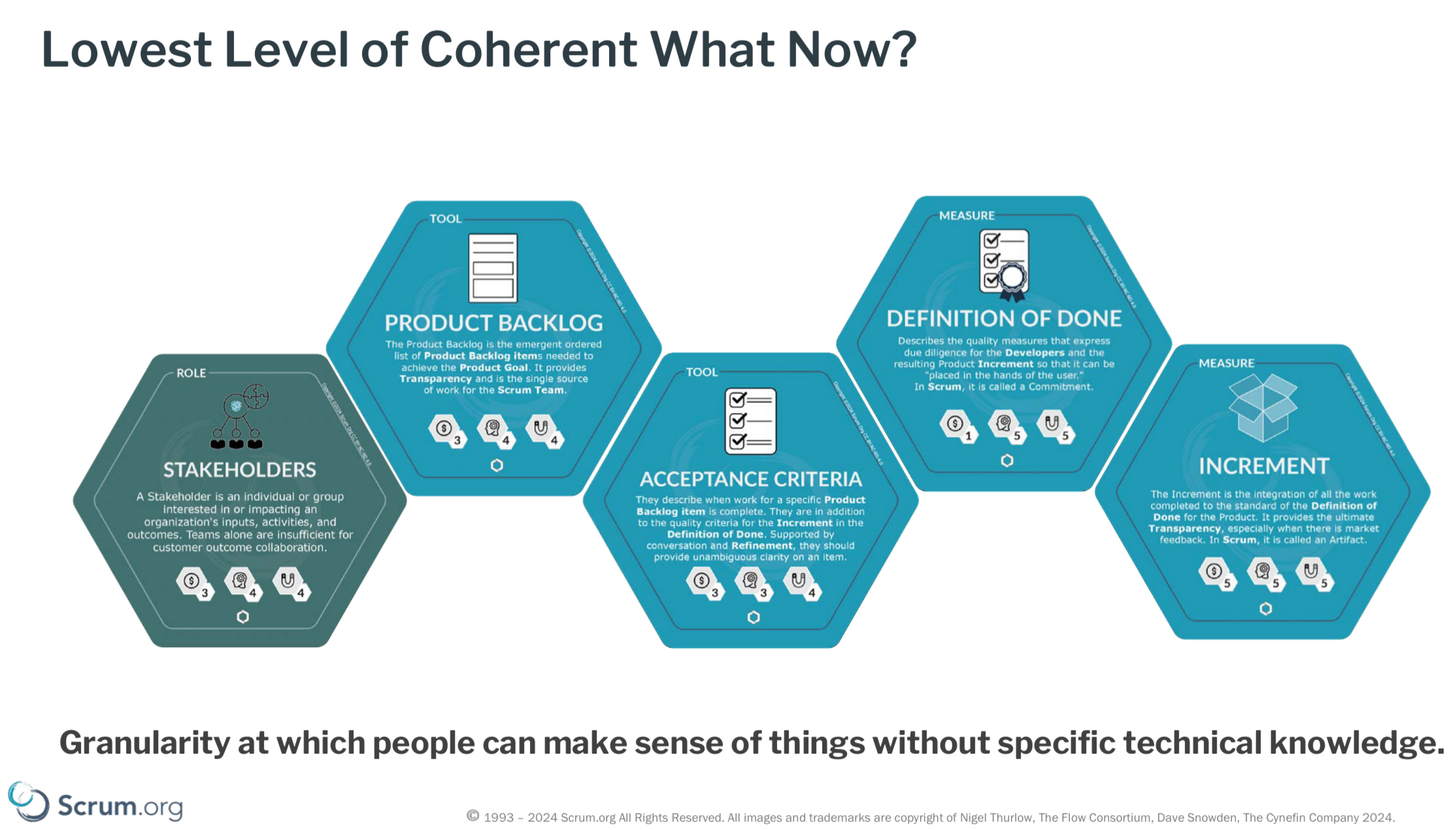
Coherence
Coherence refers to a state of consistency, harmony, or logical connection among different elements, ideas, or parts within a system or context. It implies a sense of order, unity, and coordination that enhances the understanding, effectiveness, and overall quality of a situation, communication, or system.
Examples of Coherence:
- Written Text: In a well-structured essay, each paragraph should have a clear topic sentence, and the ideas within each paragraph should logically connect to each other and the overall thesis.
- Speech: A coherent speech or presentation follows a logical sequence, with ideas presented in a logical order and supported by relevant examples and evidence.
- Teamwork: Coherence in teamwork means that team members collaborate effectively, communicate clearly, and align their efforts toward achieving a common goal.
- Design: A coherent design in graphics, architecture, or user interfaces ensures that elements are organized logically, creating a visually pleasing and user-friendly experience.
- Systems: Coherence in systems implies that different components or processes work together smoothly, minimizing conflicts or disruptions.
Something that is coherent fits, makes sense so don’t need to prove it.