7 Step Problem Solving



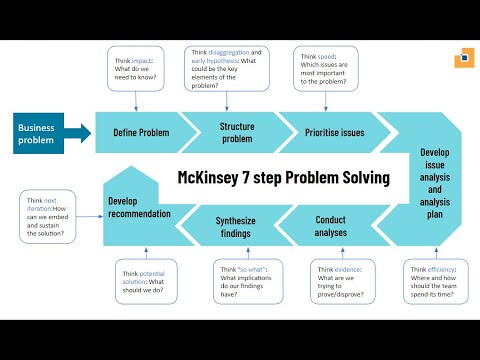
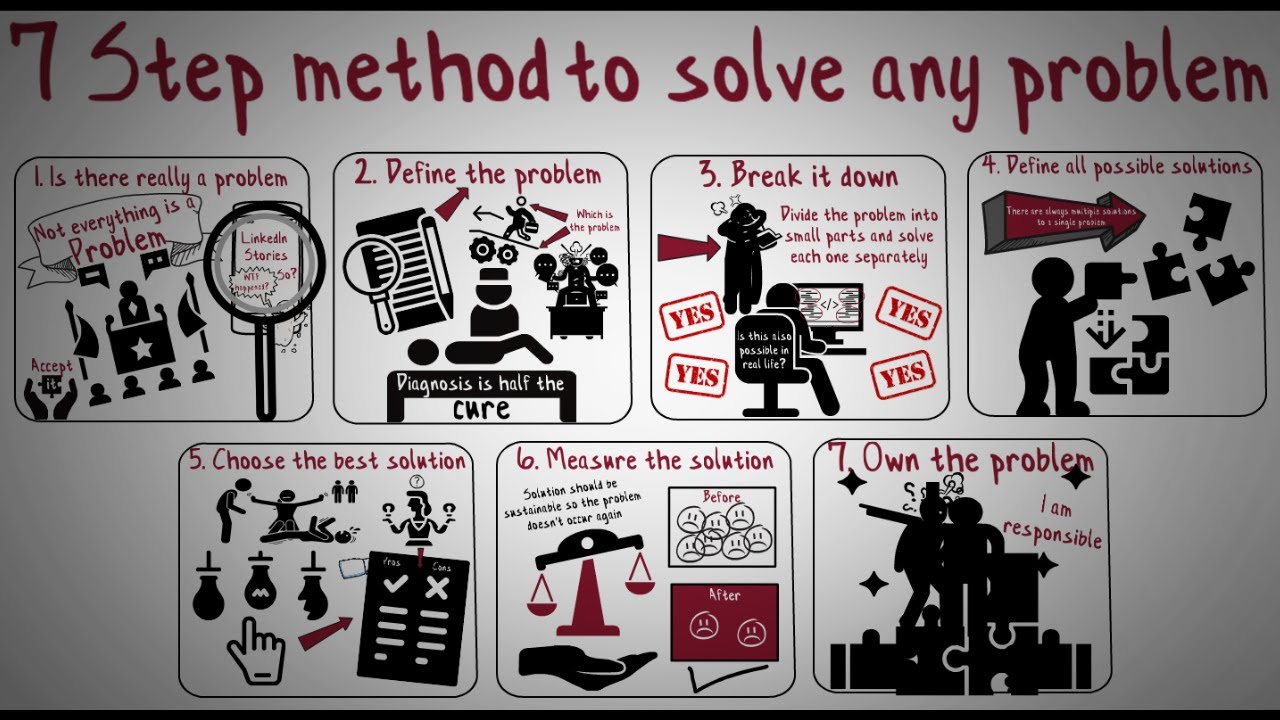
The 7 Step Problem Solving Process
Problem-solving is a critical skill in both personal and professional contexts. The 7 Step Problem Solving process is a structured approach that helps individuals and teams tackle issues systematically. This method ensures that problems are not only solved but also that the solutions are sustainable and effective.
1. Define the Problem
The first step in the 7 Step Problem Solving process is to clearly define the problem. This involves understanding the issue at hand and articulating it in a way that is specific and measurable. A well-defined problem statement should answer the following questions:
- What is the problem?
- Where is it occurring?
- When is it happening?
- Who is affected by it?
- Why is it a problem?
By answering these questions, you can ensure that everyone involved has a clear understanding of the issue, which is crucial for finding an effective solution.
2. Gather Information
Once the problem is defined, the next step is to gather relevant information. This involves collecting data, facts, and opinions from various sources to understand the problem's context and its impact. Information can be gathered through:
- Surveys and questionnaires
- Interviews with stakeholders
- Observations and field studies
- Reviewing existing documentation and reports
The goal is to have a comprehensive understanding of the problem, which will help in identifying potential solutions.
3. Identify Possible Solutions
With a clear understanding of the problem and sufficient information, the next step is to brainstorm possible solutions. This is a creative phase where all ideas are welcome, no matter how unconventional they may seem. Techniques for generating solutions include:
- Brainstorming sessions
- Mind mapping
- SWOT analysis (Strengths, Weaknesses, Opportunities, Threats)
- Consulting experts or stakeholders
The aim is to generate a wide range of potential solutions without immediately judging their feasibility.
4. Evaluate and Select the Best Solution
After generating a list of possible solutions, the next step is to evaluate each one to determine its feasibility, effectiveness, and potential impact. Criteria for evaluation may include:
- Cost and resource requirements
- Time needed for implementation
- Potential risks and benefits
- Alignment with organizational goals and values
Once the evaluation is complete, select the solution that best addresses the problem while meeting the evaluation criteria.
5. Develop an Action Plan
With the best solution selected, the next step is to develop a detailed action plan for implementation. This plan should outline:
- Specific tasks and activities required
- Resources needed (e.g., personnel, equipment, budget)
- Timelines and deadlines
- Roles and responsibilities of team members
- Metrics for measuring success
A well-structured action plan ensures that everyone knows what needs to be done and when, facilitating smooth execution.
6. Implement the Solution
The implementation phase involves putting the action plan into practice. This step requires effective project management and coordination to ensure that tasks are completed as planned. Key activities during implementation include:
- Communicating the plan to all stakeholders
- Monitoring progress and making adjustments as needed
- Providing support and resources to team members
- Addressing any issues or obstacles that arise
Successful implementation is critical for the solution to be effective and sustainable.
7. Monitor and Review
The final step in the 7 Step Problem Solving process is to monitor and review the implemented solution. This involves tracking the solution's performance against the defined metrics and evaluating its effectiveness. Activities in this step include:
- Collecting and analyzing performance data
- Gathering feedback from stakeholders
- Identifying any deviations from the plan
- Making necessary adjustments to improve the solution
Regular monitoring and review ensure that the solution remains effective over time and allows for continuous improvement.