Unions
Sept 2024 : The Strikes Have Begun
Education on failure of Unions

Worker unions in the United States have played a pivotal role in shaping labor laws, improving working conditions, and advocating for workers' rights. These organizations, also known as labor unions, are formed by workers from various industries who come together to negotiate with employers over wages, benefits, and working conditions.
Historical Background
The roots of worker unions in the United States can be traced back to the late 18th century. The first notable labor union, the Federal Society of Journeymen Cordwainers, was established in 1794. However, it wasn't until the Industrial Revolution in the 19th century that unions began to gain significant traction. The rise of factories and mass production led to poor working conditions, long hours, and low wages, prompting workers to organize for better terms.
Key historical milestones include:
- The National Labor Union (NLU): Founded in 1866, it was the first national labor federation in the U.S.
- The American Federation of Labor (AFL): Established in 1886, it focused on skilled workers and advocated for higher wages and better working conditions.
- The Congress of Industrial Organizations (CIO): Formed in 1935, it aimed to organize industrial workers, including those in steel, auto, and rubber industries.
The merger of AFL and CIO in 1955 created the AFL-CIO, which remains one of the largest and most influential labor organizations in the country.
Structure and Function
Worker unions in the United States are typically organized at three levels:
- Local Unions: Represent workers in a specific geographic area or workplace. They handle day-to-day issues and grievances.
- National or International Unions: Oversee multiple local unions within a particular industry or trade. They provide broader support and resources.
- Federations: Umbrella organizations like the AFL-CIO that coordinate activities among various national and international unions.
Unions operate through a democratic process where members elect leaders and vote on key issues. The primary functions of unions include:
- Collective Bargaining: Negotiating contracts with employers on behalf of union members.
- Grievance Handling: Addressing and resolving workplace disputes.
- Political Advocacy: Lobbying for labor-friendly legislation and policies.
- Member Services: Providing benefits such as training, legal assistance, and health insurance.
Impact on Workers and Society
Worker unions have had a profound impact on both individual workers and society as a whole. Some of the key contributions include:
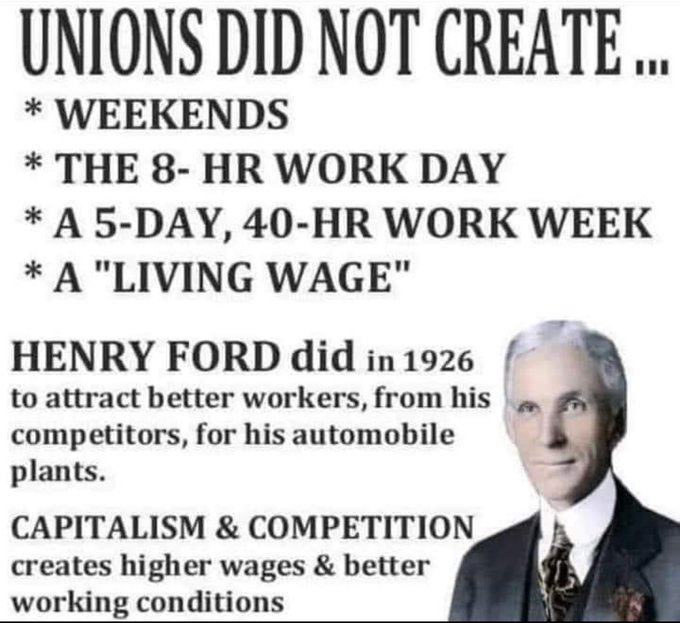
- Improved Wages and Benefits: Unionized workers typically earn higher wages and receive better benefits compared to their non-union counterparts.
- Enhanced Working Conditions: Unions have been instrumental in securing safer and healthier workplaces.
- Workplace Rights: Advocacy by unions has led to the establishment of important labor laws, such as the Fair Labor Standards Act (FLSA) and the Occupational Safety and Health Act (OSHA).
- Social Change: Unions have played a role in broader social movements, including civil rights and gender equality.
Challenges and Criticisms
Despite their achievements, worker unions in the United States face several challenges and criticisms:
- Declining Membership: Union membership has been on a steady decline since the 1980s, partly due to changes in the economy and labor market.
- Globalization: The shift of manufacturing jobs overseas has reduced the number of unionized jobs in the U.S.
- Employer Resistance: Some employers actively discourage unionization through various tactics, including legal and illegal measures.
- Internal Issues: Unions have sometimes been criticized for corruption, lack of transparency, and failure to adapt to changing labor dynamics.
Current State and Future Outlook
As of today, worker unions continue to play a crucial role, albeit with reduced influence compared to their peak in the mid-20th century. Recent years have seen a resurgence of interest in unionization, particularly among younger workers and in sectors like technology and service industries.
Key trends and future outlook include:
- Increased Organizing Efforts: There is a growing movement to unionize workers in non-traditional sectors, such as gig economy workers.
- Legislative Changes: Efforts to pass pro-union legislation, such as the Protecting the Right to Organize (PRO) Act, are ongoing.
- Technological Adaptation: Unions are leveraging technology to organize and communicate with members more effectively.