Probable Cause
Generally associated with the allegation of crime, where there are observed facts by one or more firsthand witnesses, which would lead one to reasonably conclude that a crime had occurred.
Professor Rose Discusses Probable Cause & the 4th Amendment

Probable Cause vs. Reasonable Suspicion

2021 Legislative Police Reform: Probable Cause vs Reasonable Suspicion (part 1)
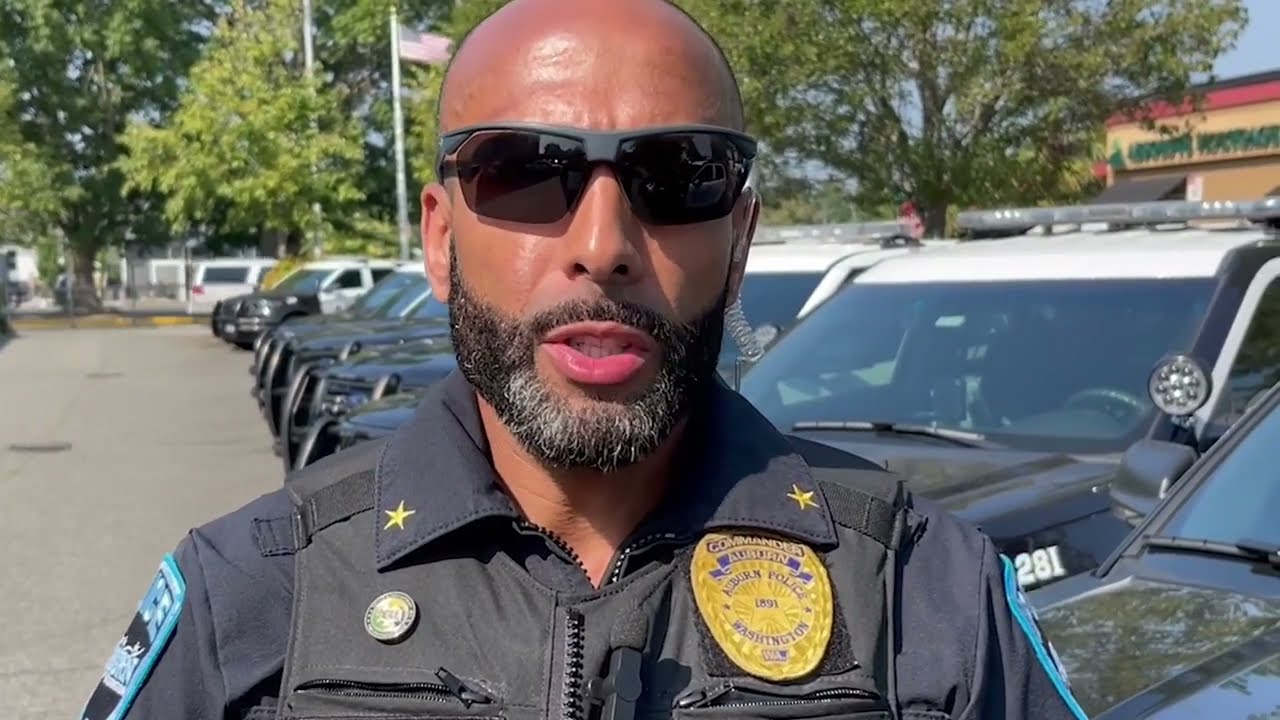
2021 Legislative Police Reform: Probable Cause vs Reasonable Suspicion (part 2)
Probable cause is a requirement found in the Fourth Amendment that must usually be met before police make an arrest, conduct a search, or receive a warrant. Courts usually find probable cause when there is a reasonable basis for believing that a crime may have been committed (for an arrest) or when evidence of the crime is present in the place to be searched (for a search). Under exigent circumstances, probable cause can also justify a warrantless search or seizure. Persons arrested without a warrant are required to be brought before a competent authority shortly after the arrest for a prompt judicial determination of probable cause.
Probable cause is when an average person in reasonable circumstances based upon his life experience comes upon a problem, would he, based upon reason, logic and common sense, take this course of action or suppose that this was probably true?