Patrick Henry
Videos
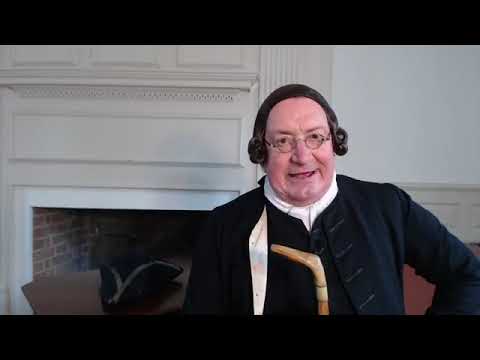
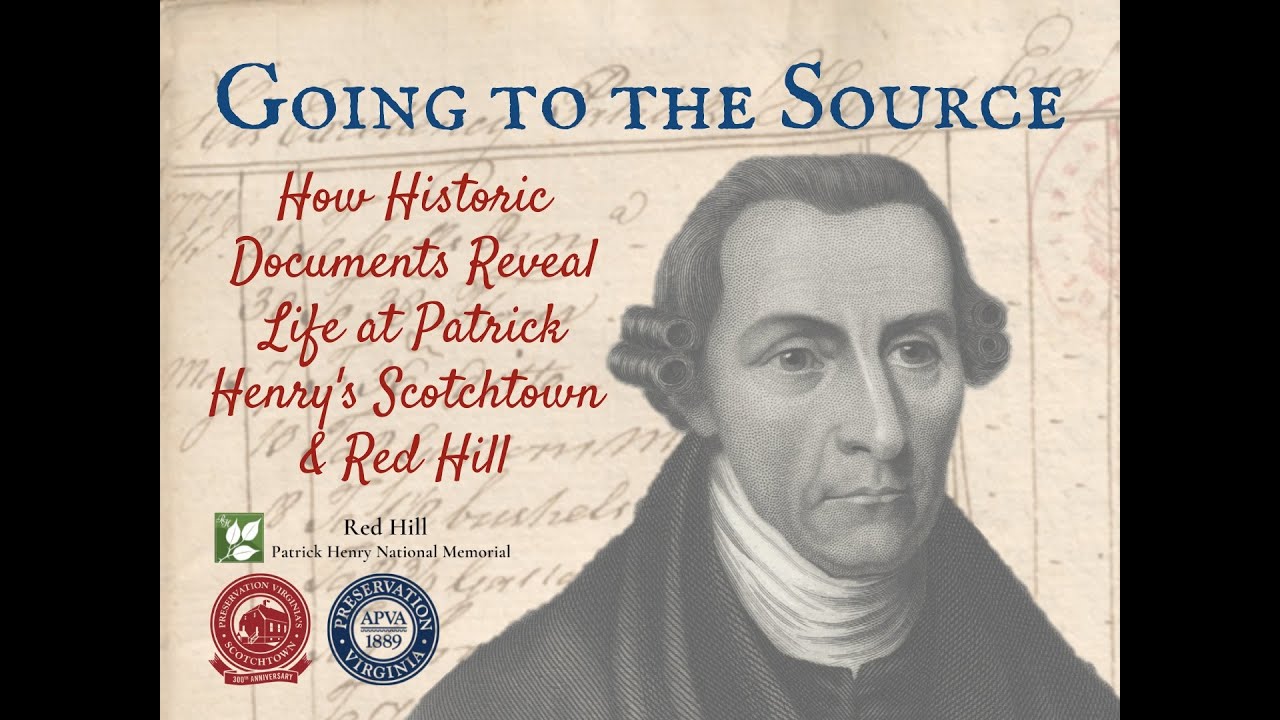
Patrick Henry, Speech in the Virginia Convention
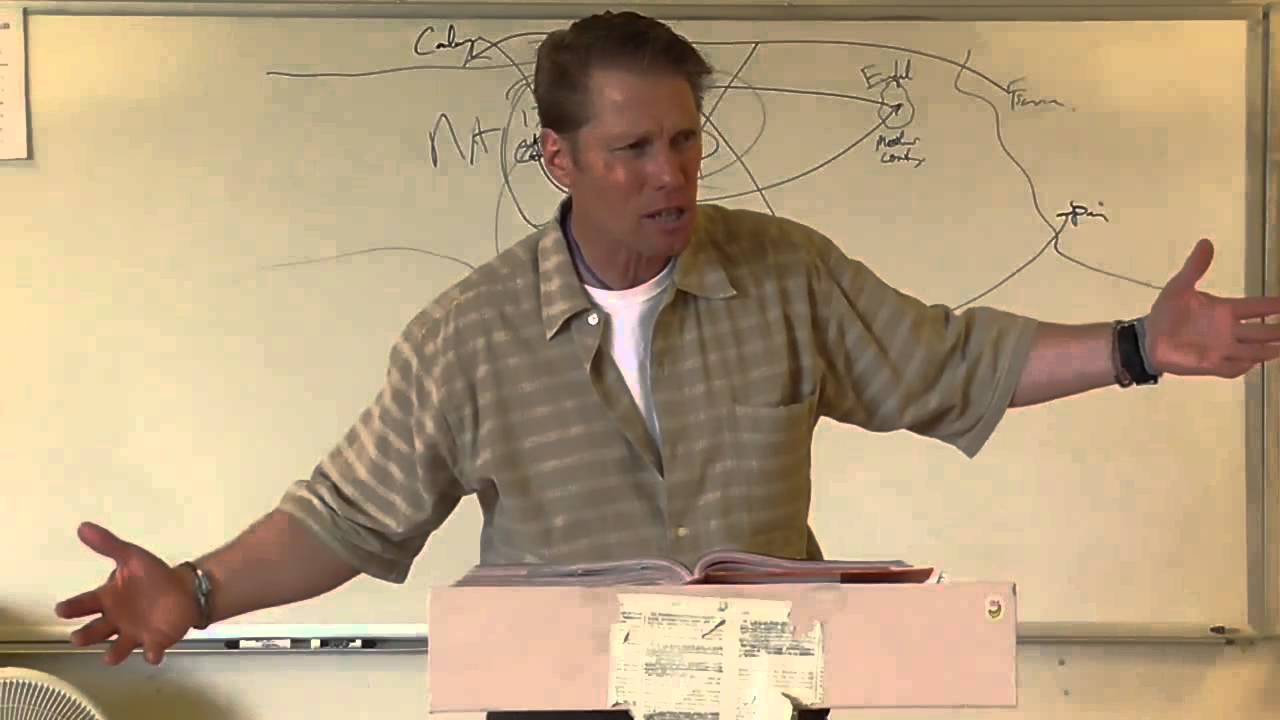
Conversations on Democracy: Thomas Jefferson and Patrick Henry
"I have but one lamp by which my feet are guided, and that is the lamp of experience. I know of no way of judging of the future but by the past....
Shall we acquire the means of effectual resistance by lying supinely on our backs and hugging the delusive phantom of hope, until our enemies shall have bound us hand and foot?
Sir, we are not weak if we make a proper use of those means which the God of nature hath placed in our power. The millions of people, armed in the holy cause of liberty, and in such a country as that which we possess, are invincible by any force which our enemy can send against us....
it is now too late to retire from the contest. There is no retreat but in submission and slavery! Our chains are forged! Their clanking may be heard on the plains of Boston! The war is inevitable–and let it come! I repeat it, sir, let it come...
Gentlemen may cry, "Peace, Peace"– but there is no peace. The war is actually begun!...
Is life so dear, or peace so sweet, as to be purchased at the price of chains and slavery? Forbid it, Almighty God! I know not what course others may take; but as for me, give me liberty or give me death! -Patrick Henry"
From Michael Gaddy:
We have all heard of Patrick Henry, but outside of his “Give me Liberty or give me death” words at St. John’s Church on March 23, 1775, the great majority of people in this country know very little about the man whose voice struck the match to the powder keg that became the American Revolution with his speech to the Virginia House of Burgesses in May of 1765. Ironically, Henry would be accused of “treason” by the gentry/aristocracy in that body for his scalding words aimed at King George III. Yet, 23 years later, when Henry would attack the gentry/aristocracy who had unconstitutionally written a new constitution at the Virginia Ratification Convention, he would be accused of much worse.
There are not a lot of resources out there on Patrick Henry. His complete opposition to the “divinely inspired” constitution presents a real problem for parchment worshipers. Many among the Founders wrote that Henry was the most devout Christian among them and his life story backs up their beliefs. Hard to explain how a constitution inspired by God was so hated and strenuously opposed by a devout Christian, so they prefer to ignore Henry except to quote the “Give me Liberty or give me death” story.
Henry was seen as such a threat to ratification of the constitution, several Federalist newspapers published false stories claiming that Patrick had embraced the constitution and was supporting its ratification. Such was his influence among the common folk. And you thought fake news was a recent phenomenon!
In preparation for my lessons on Patrick Henry and his profound influence on the events of the Founding Era, from the Virginia Resolves of 1765, which in many ways initiated the fight for Liberty among the colonies, to his dramatic attacks on the constitution in the Virginia Ratification Convention, to his failed pursuit to get Antifederalists elected to the first congress, and his threat to sponsor a new convention if a Bill of Rights was not drafted.
Patrick Henry’s influence was felt in almost every activity of the period. For example, a letter from Theodore Sedgwick to Benjamin Lincoln during the period which the first congress was considering a Bill of Rights speaks to Henry’s influences over both James Madison and the congress itself. Sedgwick refers in his last sentence to the completion of the conspiracy of the Federalists:
“Mr. Madison’s talents, respectable as they are will for some time be lost to the public, from his timidity. He is constantly haunted with the ghost of Patrick Henry. No man, in my opinion, in this country has more fair and honorable intentions, or more ardently wishes the prosperity of the public, but unfortunately he has not that strength of nerves which will enable him to set at defiance popular and factious clamors.
His system of amendments we must fairly meet, and must adopt them in every instance in which they will not shackle the operations of the government. It is a water gruel business, and I hope will be so managed as only to produce a more temperate habit in the body politic. Those substantial amendments which would have a tendency to produce a more complete and natural arrangement of the national union we must despair of attaining at present.”
Most revealing also was a letter from Robert Morris to Francis Hopkinson in 1789 during that time period when the Bill of Rights was being debated in congress. It was Morris who had been in charge of finances during the Revolutionary War and whose activities came under full attack from Samuel Bryan, which we shall get into in our studies of the essays of “Centinel.” Centinel alleged in his essays that Morris and others had embezzled several million dollars of monies belonging to the government. One can only wonder what Robert Morris’ reference to “if they make one (amendment) truely so, I will hang” meant to Morris himself.
“The House of Representatives . . . are now playing with Amendments, but if they make one truely so I’ll hang. poor Madison got so Cursedly frightened in Virginia, that I believe he has dreamed amendments ever since.
Wikipedia
Patrick Henry (May 29, 1736 – June 6, 1799) was an American attorney, planter, politician and orator known for declaring to the Second Virginia Convention (1775): "Give me liberty, or give me death!" A Founding Father, he served as the first and sixth post-colonial Governor of Virginia, from 1776 to 1779 and from 1784 to 1786.
A native of Hanover County, Virginia, Henry was for the most part educated at home. After an unsuccessful venture running a store, as well as assisting his father-in-law at Hanover Tavern, he became a lawyer through self-study. Beginning his practice in 1760, Henry soon became prominent through his victory in the Parson's Cause against the Anglican clergy. He was elected to the Virginia House of Burgesses, where he quickly became notable for his inflammatory rhetoric against the Stamp Act of 1765.
In 1774 and 1775, Henry served as a delegate to the First and Second Continental Congresses where he signed the Petition to the King, which he helped to draft, and signed the Continental Association. He gained further popularity among the people of Virginia, both through his oratory at the convention and by marching troops towards the colonial capital of Williamsburg after the Gunpowder Incident until the munitions seized by the royal government were paid for. Henry urged independence, and when the Fifth Virginia Convention endorsed this in 1776, he served on the committee charged with drafting the Virginia Declaration of Rights and the original Virginia Constitution. Henry was promptly elected governor under the new charter and served a total of five one-year terms.
After leaving the governorship in 1779, Henry served in the Virginia House of Delegates until he began his last two terms as governor in 1784. The actions of the national government under the Articles of Confederation made Henry fear a strong federal government, and he declined appointment as a delegate to the 1787 Constitutional Convention. He actively opposed the ratification of the United States Constitution, both fearing a powerful central government and because there was as yet no Bill of Rights. He returned to the practice of law in his final years, declining several offices under the federal government. A slaveholder throughout his adult life, he hoped to see the institution end but had no plan for that beyond ending the importation of slaves. Henry is remembered for his oratory and as an enthusiastic promoter of the fight for independence.