HPT Axis - Hypothalamic, Pituitary, Thyroid Axis
Return to Nervous System Menu
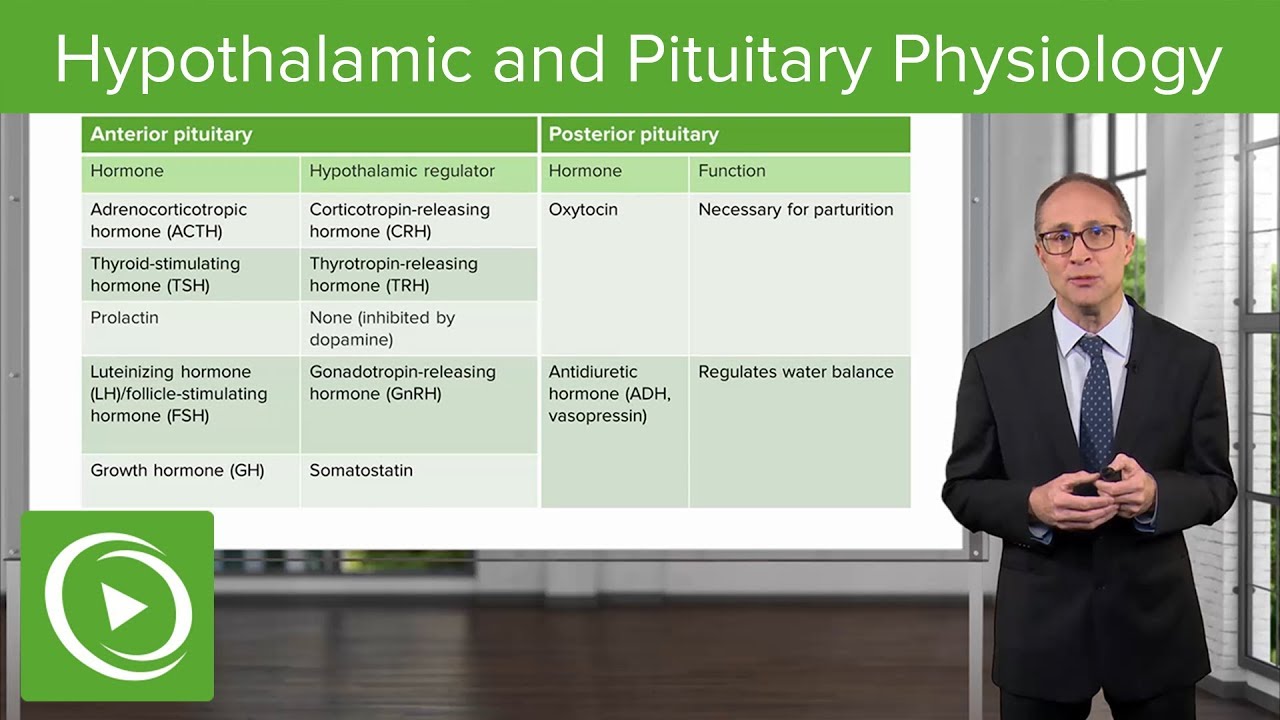

The hypothalamic-pituitary-thyroid (HPT) axis is a neuroendocrine system that regulates metabolism, growth, and reproduction. The HPT axis maintains normal levels of thyroid hormone, which is essential for the biological function of all tissues. The thyroid produces the hormones thyroxine (T3) and triiodothyronine (T4).
The HPT axis is also known as thyroid homeostasis or thyrotropic feedback control. It responds to stress and controls energy expenditure. The activity of hypophysiotropic thyrotropin releasing hormone (TRH) neurons is modulated by nutritional status, energy demands, and stress, all of which are sex dependent.
The HPT axis uses a negative feedback mechanism between circulating TH levels and the hypothalamus and pituitary gland to maintain normal TH levels. The control of TRH secretion is mainly due to the feedback mechanism of circulating levels of T4 and T320 and the hypothalamic peptide somatostatin, which inhibits TRH secretion.