ADHD
Return to Mental / Emotional Health Menu
VIDEOS
Examining Early Neural & Behavioral Predictors of Childhood ADHD
Examining Early Neural & Behavioral Predictors of Childhood ADHD - YouTube
Modern concepts of ADHD
Modern Concepts of ADHD - YouTube
What ADHD Feels like, animation
What ADHD Feels Like - An Animation - YouTube
Signs of anxiety and ADHD to look for in your children
Signs of anxiety and ADHD to look for in your children | Trenna Sutcliffe and Peter Attia - YouTube
Psychedelics and ADHD
A personal take on how psychedelics can help with ADHD - YouTube
What ADHD Feels Like
Is ADHD an Advantage?
Why ADHD Is Not A Psychiatric Disorder Or Brain Disease
The real reason you have ADHD
Frontiers in Psychiatric Treatment: ADHD
Updates on ADHD Diagnosis & Management
Can MTHFR cause ADHD?
ADD/ADHD and Low Dopamine - An MTHFR Problem
US boys drugged just for being boys
Nutrition for children with ADHD.
Nutritional Deficiencies
Nutritional Solutions
Dr Breggin Discusses ADHD
Medication for ADHD
Medicating ADHD: Diagnosis and the Long-Term Effects of the Medications
Robert Whitaker: ADHD, Changing the Child Instead of the Environment
Children & ADHD - Robert Whitaker - Psychiatric Epidemic
Addressing Root Causes of ADHD & Anxiety
Beating ADHD: Using Functional Medicine and Behavioral Science to fully thrive
Craig Wiener - ADHD, A Return to Psychology
The 5 Brain Regions That Impact ADHD
Dr. Bruce Perry explains how ADHD can be connected to childhood trauma
Developmental Psychopathology & Stigma Reduction: A Synthesis
ADHD: Medicate and Coerce or Develop Self-Reliance and Cooperation
Updates on ADHD Diagnosis and Management
ADD/ADHD and Low Dopamine - an MTHFR Problem
Medicating ADHD - long term effects
How to Help the ADHD Child
Beating ADHD Using Functional Medicine and Behavioral Science to Fully Thrive
ADHD, Lived Experience
Book:
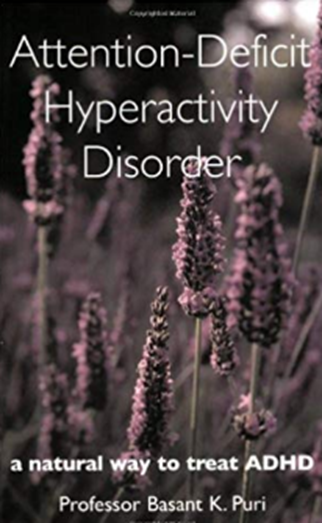
ABOUT
"Many ADHD and ADD people have increased glutamine and not enough GABA due to a problem with the conversion from glutamine to GABA or they don't have enough GABA receptors (many times genetic and with increased disposition due to heavy metal toxicity). Glutamine out of balance leads to increased ammonia and has shown to lead to neurotoxicity and possible neuron death to due to influx of calcium into cells (Magnesium helps with the cell membrane to slow down this process) One of the first and very simple ways to help with this balance is to take gluten out of the diet. Increase magnesium, GABA increasing herbs are good here (melissa, california poppy, passiflora, linden are some) Bacopa may help with the conversion and in some studies they are indicating that if may also increase GABA receptors. I see mostly children with ADD, ADHD and it has been my experience that diet plays a huge role and though not simple with this population can be very effective. A glycerite with the above mentioned herbs is palatable or a tea, omegas, D, and homeopathics. Check b utilization and suspect issues with methylation." - from clinical herbalist, Sherri Stickler
Brain imaging reveals ADHD as a collection of different disorders (https://www.sciencedaily.com/releases/2017/11/171107140834.htm)
DIFFERENTIATE BIPOLAR DISORDER FROM ADHD, OR BOTH?
- Bipolar disorder: core feature – mood/affective disorder, usually recognized in adolescence or later
- ADHD: core feature – cognitive disorder affecting focus, concentration and memory, usually recognized in childhood (by 7 yo)
ADHD is a bit of misnomer because its not really attention deficit disorder and this is what fools many physicians. A deficit means there’s a lack of attention but its really an attention inconsistency. When children are interested in something, such as a computer game, they focus very well. It’s the dry, boring stuff, the things you have to learn in school where the problem arises. Young children who are having trouble keeping up with their peers start getting anxious and depressed, even in the 9 to 10 age group. From there they may get into substance abuse and often opposition defiant disorder, perhaps other problems with behavior (stealing, lying, fire setting).
When you start peeling away the layers and discover that the problem started in the teenage years and it has to do with affect, you’re most likely dealing with bipolar. If it started at 7 or 8 and the core feature is cognitive and learning, you’re most likely dealing with ADHD.
Impact of development on ADHD.
Inattention starts at around age 4,5,6 and often increases throughout life because ADHD has a condition that affects the frontal lobe as well as certain areas of the deeper brain.
Impulsivity may drop towards adulthood as well as hyperactivity as the frontal lobe develops. Many young girls don’t show hyperactivity at all, they sit very quietly as their mind wanders.
Co-morbidity (problems with substance abuse, with the law, marriages and jobs) increases over time. So anyone who presents with depression, substance abuse, anxiety, needs to be screened for ADHD and Bipolar disorder.
There’s also a 20-30% overlap between these two disorders.
For every ten adults with a mood disorder, one of them also has ADHD
Comorbidities in Adults with ADHD Prevalence (approximate values)
- Major Depressive disorder 10%
- Dysthymia 20%
- Bipolar Disorder 20-30%
- Any anxiety disorder 10%
- Alcohol dependence 10%
- Drug dependence 20%
When there’s both a cognitive and mood disorder, always treat the mood disorder first.
Very often, treating the affective disorder will allow the cognitive disorder to improve.
Formula for ADHD: 70 ml Bacopa monneira; 50 ml Ginkgo biloba; 30 ml Valerian; 30 ml Panax ginseng; 30 ml Melissa officinalis.
Dose is 5 ml t.i.d.
Podcast - The Functional Medicine Approach to ADHD, with Dr. Jim Greenblatt
Articles/Studies
Beyond Adderall: Nutritional and Botanical Options for ADHD Symptom Relief
- ADHD as a developmental issue, not a medical one
- Scientists Reveal How ADHD Could Fuel Creative Thinking . ADHD-related attention patterns may become a source of creativity and focus when supported through structured creative expression. How can ADHD create serious everyday challenges for millions of people while also appearing among highly successful creative figures such as Justin Timberlake and Simone Biles?
- Half a century of research on Attention-Deficit/Hyperactivity Disorder: A scientometric study.
- MRI Scans Show Few Brain Differences in Children With ADHD
- 4 Facts About ADHD That Should Always Make You Question Your Child’s Teacher or Doctor About “ADHD”
- Psychotropics / Pediatric Disorders
- How Sunlight Could Shed Light on ADHD Kids
- Genomic analysis in samples of Neanderthals and modern humans shows a decrease in ADHD-associated genetic variants (https://www.sciencedaily.com/releases/2020/05/200527123344.htm)
- Serum Occludin and Zonulin Levels in Children With Attention-Deficit/Hyperactivity Disorder and Healthy Controls.
- ADHD as an Asset in Entrepreneurship
- ADHD May Make You More Creative
People with ADHD tend to be more creative, and this advantage may stem from a greater tendency for their minds to wander. The study is the first to directly connect ADHD traits, creativity, and the two types of mind wandering—spontaneous and deliberate.
Risk Factors
- How Childhood Trauma Could be Mistaken for ADHD
- Team links children’s microbiome with autism, ADHD
- Prenatal fluoride exposure and attention deficit hyperactivity disorder (ADHD) symptoms in children.
- Serum BPA levels in adult ADHD patients were found to be significantly higher than in healthy controls.
- Popular ADHD Medications Like Adderall May Increase Young Adults’ Risk of Heart Damage
- Association of bisphenol A, bisphenol F, and bisphenol S with ADHD symptoms in children.
- ADHD linked to hoarding behavior (https://www.sciencedaily.com/releases/2022/02/220225135652.htm) New research has found that people with Attention Deficit/Hyperactivity Disorder (ADHD) are significantly more likely to also exhibit hoarding behaviors, which can have a serious impact on their quality of life.
- Maternal Consumption of Soft Drinks May Be Linked to ADHD Symptoms in Offspring
- Link Discovered Between ADHD and Dementia Across Generations
- ADHD, Bipolar, and Aggressive Behavior May Be Driven by High Fructose Intake
- Big data study identifies drugs that increase risk of psychosis in youth with ADHD (https://www.sciencedaily.com/releases/2019/03/190320171704.htm)
- Young People Explain Side-effects of ADHD Drugs
- Persistence of ADHD into adulthood is an important predictor of car crash risk (https://www.sciencedaily.com/releases/2020/08/200818142135.htm)
- Kids With ADHD Make 6.1M Doctor Visits a Year: CDC
- Water Fluoridation linked to ADHD, Obesity and Depression
- MRI shows brain differences among ADHD patients
- Brain differences in ADHD
- ADHD May Increase Risk Of Parkinson’s Disease
- Fatty acid deficiency symptoms are common in children with ADHD.
- These results point to a possible link of certain microbiota with ADHD.
- The evidence from this meta-analysis supports the theory that an inverse relationship between serum magnesium deficiency and ADHD exists.
- Adolescents who play more than one hour of console or Internet video games may have more or more intense symptoms of ADHD or inattention than those who do not.
- Artificial colours or a sodium benzoate preservative (or both) in the diet result in increased hyperactivity in 3-year-old and 8/9-year-old children in the general population. -
- Artificial food colouring is associated with neurobehavioral toxicity in children with hyperactive syndromes.
- Celiac disease is markedly overrepresented among patients presenting with ADHD.
- Perfluorinated compound exposure in children has been linked to impulse control problems.
- Seasonally dependent early developmental mechanisms might play a role in increasing lifetime disease risk.
- The presence of food preservatives and artifical food colourings in the diet may play a significant role in the etiology of ADHD in children.
- This study has empirically demonstrated an association between more widespread exposure to fluoridated water and increased ADHD prevalence in U.S. children and adolescents.
- Prolonged exposure to a low-dose of bisphenol A increases spontaneous motor activity in adult male rats.
- Vitamin D Deficiency in Pregnancy Linked to Higher ADHD Risk in Children
- Association between hyperactivity and sugar-sweetened beverages consumption in schoolchildren.
Prevention
- Could the Mediterranean Diet Prevent ADHD?
- The combination of omega-3 and Korean red ginseng may have beneficial effects in children with subthreshold ADHD.
Treatment
- How therapy, not MEDS, can change the brains of kids with ADHD
- More sleep and less screen time benefit unmedicated kids with ADHD
- Nature's Answer to ADHD: The Promise of Micronutrient Therapy
- Attention-deficit/hyperactivity disorder and inflammation: natural product-derived treatments-a review of the last ten years.
- Music can be beneficial in various domains of ADHD.
- Landmark Trial: Food Syrup Matches Amphetamine for ADHD With Fewer Risks
- Coenzyme Q10 in the treatment of attention deficit hyperactivity disorder in children.
- Comparison of vitamin D, neurofeedback, and neurofeedback combined with vitamin D supplementation in children with attention-deficit/hyperactivity disorder.
- Effects of L-theanine-caffeine combination on sustained attention and inhibitory control among children with ADHD.
- L-theanine improves neurophysiological measures of attention in a dose-dependent manner.
- 3 Proven Things Schools Can Do To Curb The ADHD Epidemic Without Prescribing Drugs To Kids
- Hypericum perforatum (St John’s wort) for attention-deficit/hyperactivity disorder in children and adolescents: a randomized controlled trial.
- 7 Highly Effective Habits Of ‘Successful’ People With ADHD -
- Calm Parents help Calm ADHD Kids -
- Effects of Yoga on Attention, Impulsivity, and Hyperactivity in Preschool-Aged Children with Attention-Deficit Hyperactivity Disorder Symptoms. -
- Kids Meditate Instead Of Taking ADHD Medications, See Amazing Results
- Acupuncture, neurofeedback may improve ADHD symptoms -
- Treatment with Oligomeric Proanthocyanidins (OPCs)
- Bacopa monnieri has the potential to improve cognition. -
- Blue-blocking Glasses To Improve Sleep And ADHD Symptoms Developed
- Omega-3 fatty acid supplementation exhibits therapeutic value in the treatment of children with attention-deficit/hyperactivity disorder symptomatology.
- L-threonic acid magnesium salt supplementation was found to be effective and well tolerated.
- A comparative consecutive case series of 20 children with a diagnosis of ADHD receiving homeopathic treatment, compared with 10 children receiving usual care.
- The elimination of artificial flavors, colors and natural salicylates significantly reduces symptoms of hyperkinesis in children.
- This review reveals a multiplicity of mechanisms by which contact with nature might promote health.
- Ginkgo biloba Extract Improves ADHD Symptoms in Children -
- This study provides preliminary evidence supporting the self-medication theory of cannabis use in ADHD.
- Short-term therapy with saffron capsule showed the same efficacy compared with methylphenidate in patients with attention-deficit/hyperactivity disorder.
- An experimental comparison of pycnogenol and methylphenidate in adults with Attention-deficit-hyperactivity disorder (ADHD).
- Treatment of ADHD with French maritime pine bark extract, Pycnogenol.
- Effects of Bacopa monnieri in a population of males exhibiting inattention and hyperactivity aged 6 to 14 years.
- These results show that the efficacy of saffron is comparable to that of methylphenidate.
- Lactobacillus acidophilus LB supplementation combined with atomoxetine for 3 months had a beneficial impact on ADHD symptomology.