Neurodivergence

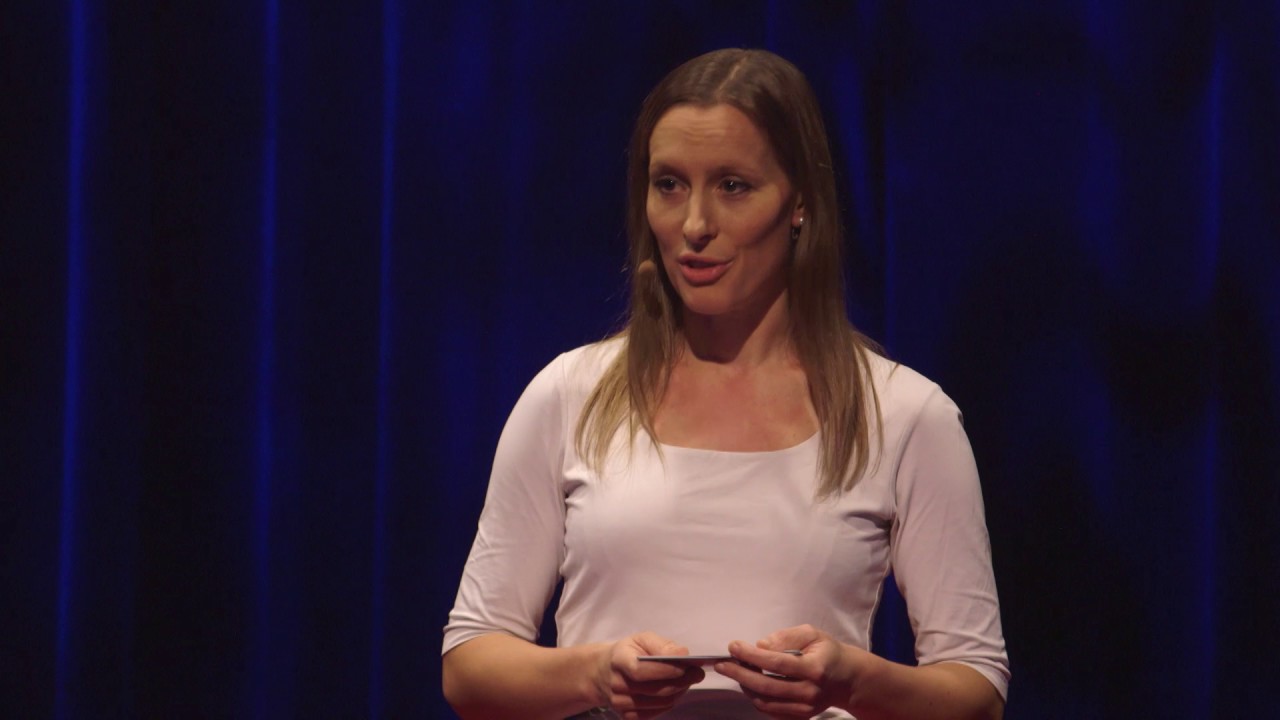
Neurodiversity – the key that unlocked my world | Elisabeth Wiklander | TEDxGöteborg
Neurodivergence is a term that has gained significant attention in recent years, particularly within educational, psychological, and social contexts. It refers to the concept that neurological differences are to be recognized and respected as any other human variation. This includes conditions such as autism, ADHD, dyslexia, dyspraxia, and others. The term was coined in the late 1990s by sociologist Judy Singer, who herself is on the autism spectrum, and it has since become a cornerstone of the neurodiversity movement.
The Neurodiversity Movement
The neurodiversity movement advocates for the acceptance and inclusion of all neurological conditions as natural variations of the human genome. It challenges the traditional view that these conditions are deficits or disorders that need to be cured or fixed. Instead, it promotes the idea that neurodivergent individuals have unique strengths and perspectives that can contribute positively to society.
Key Principles of Neurodiversity
- Acceptance: Embracing neurological differences as a natural part of human diversity.
- Inclusion: Ensuring that neurodivergent individuals have equal opportunities in education, employment, and social settings.
- Support: Providing appropriate accommodations and support systems to help neurodivergent individuals thrive.
- Empowerment: Encouraging self-advocacy and autonomy for neurodivergent individuals.
Common Neurodivergent Conditions
Autism Spectrum Disorder (ASD)
Autism is characterized by differences in social interaction, communication, and behavior. Individuals with autism may have unique ways of learning, paying attention, or reacting to sensory input. The spectrum nature of autism means that it affects individuals differently, with varying degrees of severity.
Attention Deficit Hyperactivity Disorder (ADHD)
ADHD is marked by patterns of inattention, hyperactivity, and impulsivity. People with ADHD may struggle with organization, time management, and maintaining focus. However, they often exhibit creativity, energy, and the ability to think outside the box.
Dyslexia
Dyslexia is a learning difference that affects reading and language processing. Individuals with dyslexia may have difficulty with spelling, reading fluency, and comprehension. Despite these challenges, many people with dyslexia excel in areas such as problem-solving and critical thinking.
Dyspraxia
Dyspraxia, also known as Developmental Coordination Disorder (DCD), affects motor coordination and planning. It can impact fine and gross motor skills, making tasks such as writing or sports challenging. However, individuals with dyspraxia often have strong verbal skills and creative thinking abilities.
The Importance of Neurodiversity in Society
Recognizing and valuing neurodiversity is crucial for creating inclusive environments where everyone can thrive. By understanding and accommodating the needs of neurodivergent individuals, society can benefit from their unique perspectives and talents.
Educational Settings
In schools, embracing neurodiversity means providing tailored educational approaches that cater to different learning styles. This can include individualized education plans (IEPs), assistive technologies, and flexible teaching methods. By doing so, educators can help neurodivergent students reach their full potential.
Workplace Inclusion
In the workplace, neurodiversity can lead to innovation and creativity. Companies that prioritize neurodiversity often see increased problem-solving capabilities and diverse perspectives. Implementing inclusive hiring practices and providing accommodations can help neurodivergent employees succeed and contribute meaningfully to their organizations.
Social Acceptance
Socially, promoting neurodiversity involves challenging stereotypes and misconceptions about neurodivergent individuals. It requires fostering environments where differences are celebrated rather than stigmatized. This can lead to greater empathy, understanding, and collaboration within communities.
Challenges and Misconceptions
Despite the progress made by the neurodiversity movement, challenges and misconceptions persist. Some common misconceptions include:
- Viewing neurodivergence as a deficit: Many still see neurodivergent conditions as problems to be fixed rather than differences to be embraced.
- Overgeneralization: Assuming that all individuals with a particular neurodivergent condition are the same, ignoring the diversity within each condition.
- Lack of awareness: Limited understanding of neurodivergent conditions can lead to inadequate support and accommodations.
Moving Forward
To further the goals of the neurodiversity movement, it is essential to continue raising awareness and advocating for systemic changes. This includes:
- Education and Training: Providing education and training for educators, employers, and the general public about neurodivergent conditions and how to support individuals effectively.
- Policy Changes: Advocating for policies that promote inclusion and accessibility in all areas of society.
- Research and Innovation: Supporting research that explores the strengths and challenges of neurodivergent individuals and develops innovative solutions to support them.