Feverfew
See also: Tanacetum (genus)
Videos

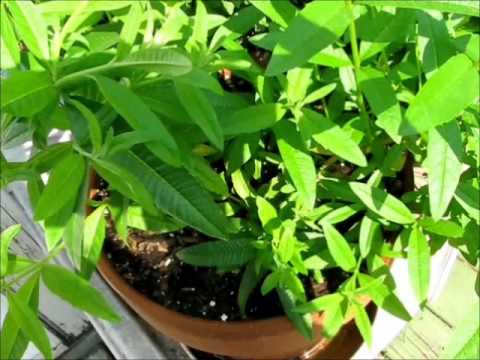
Overview
Indigenous to south-east Europe, as far east as the Caucasus, but commonly found throughout Europe and the United States of America. It’s name comes from a traditional use for fevers. Effective as a small intestinal anti-inflammatory that combines well with chamomile and calendula for gastritis and leaky gut.
Inhibits prostaglandin synthesis, indicating the potential for decrease of inflammation in psoriatic skin.
Feverfew (Tanacetum Parthenium) Health Benefits and Side Effects
Constituents
The major constituent is parthenolide (up to 0.9%), a germacranolide sesquiterpene lactone. Parthenolide and other characteristic sesquiterpene lactones, including members of the guaianolides (e.g. canin and artecanin), contain an a-methylenebutyrolactone structure. To date, more than 45 sesquiterpenes have been identified in Feverfew. Monoterpenes, flavonoids and polyacetylenes have also been detected.
- Chemical composition, antibacterial activity and cytotoxicity of essential oils of Tanacetum parthenium in different developmental stages.
- Identification of antioxidant phenolic compounds in feverfew (Tanacetum parthenium) by HPLC-ESI-MS/MS and NMR.
- A biologically active lipophilic flavonol from Tanacetum parthenium
Tissue State Relevance
(Feverfew — cooling, drying, anti‑excitation, anti‑inflammatory, anti‑spasmodic)
Cooling • Drying • Anti‑excitation • Anti‑inflammatory • Anti‑spasmodic • Bitter‑aromatic
Feverfew is a cooling, drying regulator that excels in hot, excited, inflamed, tense tissue states—especially in the vasculature and nervous system.
1. Heat / Excitation
Strong affinity — one of feverfew’s primary indications
Why:
- Parthenolide reduces inflammatory cytokines
- Bitter sesquiterpene lactones cool metabolic and vascular excitation
- Reduces prostaglandin‑driven inflammatory heat
Presentation match:
- Migraines with heat/excitation
- Hot, inflamed joints
- Heat‑driven headaches
- Vascular inflammation
Energetic action:
Cooling, anti‑excitation, anti‑inflammatory.
2. Wind / Tension
Strong affinity — classic for tension + vascular spasm
Why:
- Anti‑spasmodic effects on smooth muscle
- Regulates vascular tone
- Reduces “wind‑excitation” patterns in migraines
Presentation match:
- Tension headaches
- Migraines with constriction
- GI or uterine spasm with heat
Energetic action:
Tension‑reducing, spasm‑modulating.
3. Damp / Stagnation
Moderate affinity — bitter drying reduces damp‑inflammation
Why:
- Bitter lactones dry damp congestion
- Anti‑inflammatory action reduces damp‑heat patterns
- Aromatic volatiles disperse stagnation
Presentation match:
- Damp‑heat joint inflammation
- Boggy inflammatory states
- Damp‑sluggish digestion with heat
Energetic action:
Drying, dispersing, regulating.
4. Cold / Depression
Low affinity — can worsen cold states
Why:
- Cooling + drying can depress cold digestion
- Bitter profile reduces digestive fire
- Not appropriate for cold, depleted constitutions
Presentation match (avoid):
- Cold gut
- Cold headaches
- Cold‑sluggish circulation
Energetic action:
Too cooling for cold/depression.
5. Dry / Atrophy
Mixed — drying but mildly protective
Why:
- Bitter drying can worsen true atrophy
- Anti‑inflammatory action may help atrophic tissues with heat
- Best used when atrophy coexists with heat/excitation
Presentation match:
- Atrophic tissues with inflammation → helpful
- True dryness → avoid
Energetic action:
Drying; use cautiously in thin, depleted tissues.
Summary Table
| Tissue State | Feverfew Effect | Notes |
|---|---|---|
| Heat / Excitation | ⭐ Strong | Cooling, anti‑inflammatory |
| Wind / Tension | ⭐ Strong | Anti‑spasmodic, vascular regulator |
| Damp / Stagnation | Moderate | Bitter‑drying, dispersing |
| Cold / Depression | ❌ Can worsen | Too cooling |
| Dry / Atrophy | Mixed | Drying; protective only when heat is present |
Tanacetum parthenium is a cooling, drying, anti‑excitation herb that excels in hot, tense, inflammatory vascular states—especially migraines—and should be avoided in cold or depleted constitutions.
Uses
For migraine:
Feverfew works well as a migraine prophylactic, but it must contain good levels of parthenolide. It takes about 4-6 months to fully work. Since its primary effect may be on platelets, its role may be supported by antiplatelet herbs such as ginger and turmeric. It doesn’t work very well once the migraine has started nor is it effective in migraines caused by weakness or deficiency (as in anemia).
Per Sloan Kettering:
Clinical Summary
Feverfew is a plant that belongs to the daisy/sunflower family of flowering plants. It is widely used in traditional medicine for the treatment of fevers, migraine headaches, rheumatoid arthritis, stomach ache, toothache, insect bites and infertility.
Although much of its activity is attributed to the compound parthenolide, a parthenolide-free extract of feverfew demonstrated free radical-scavenging properties, affording protection against UV-induced sun damage . Feverfew extracts also possess antiprotozoal, antibacterial , anti-inflammatory , and antioxidant properties.
In clinical trials, a feverfew extract reduced the frequency of migraine attacks and a feverfew/ginger formulation prevented mild headache before the onset of moderate to severe headache in patients with migraine . In another study, a combination of feverfew and acupuncture treatments led to greater improvements in quality of life in women with migraine, compared with feverfew or acupuncture alone . Despite anti-inflammatory benefits, a clinical trial did not find benefit for patients with rheumatoid arthritis.
Parthenolide from feverfew has demonstrated anticancer effects in vitro . A phase I clinical study involving cancer patients showed that up to 4 mg of parthenolide was well tolerated; however, parthenolide could not be detected in the plasma . Consequently, a synthetic analog dimethylamino-parthenolide (DMAPT), a more hydrophilic form of parthenolide, with greater bioavailability was identified. Oral administration of DMAPT has been found to be safe and resulted in increased plasma concentrations in an animal model . More studies are warranted.
Mechanism of Action
The sesquiterpene lactones, particularly parthenolide, are the active constituents responsible for feverfew’s beneficial effects. Parthenolide attenuates activation of the NF-kappa B complex to block transcription of inflammatory proteins. The inhibition of this pathway also leads to decreased platelet activity . Other mechanisms that produce antiplatelet activity by parthenolide include sulfhydryl group alterations, changes in protein kinase C interactions, and arachidonic acid metabolism . The flavonol content also has anti-inflammatory effects.
In vitro studies suggest various activities induced by parthenolide can produce antiproliferative effects. In colorectal cancer cells, it suppresses angiogenesis by reducing VEGF and VEGF-receptor expression. In cervical and breast cancer cell lines, parthenolide modulates apoptosis-regulating gene expression and activates both apoptosis pathway and AMPK-autophagy survival pathway through ROS generation . In glioblastoma cells, it induces caspase 3/7-mediated apoptosis independent of NF-kappa B suppression . Parthenolide sensitizes the tumor necrosis factor-related apoptosis-inducing ligand (TRAIL) leading to apoptosis via activation of both caspases 8 and 3 in hepatocellular carcinoma cells.
Physio-Medical Therapeutics, Materia Medica and Pharmacy BY T. J. LYLE, A.M.M. 1897
This plant is a diffusive, mildly stimulating and relaxing, influencing the skin, nervous system, the circulation and the genito-urinary organs. In hot infusion it is diaphoretic and is excellent in equalizing the circulation and relieving the head, brain and nerves of pressure and excitement. So in pleuritis it relieves the hyperaemia present and reduces the inflammatory excitement. In parturition by equalizing the circulation the pains become more regular, the contractions firmer and the rigid os uteri relieved of its tensity. In cases where the menses are suppressed from cold it quickly relieves the hyperaemia present and the flow assumes its normal condition. Its influence upon the circulation tends toward the surface and with proper hepatics it assists in relieving the circulation of impurities especially in uraemia and cholaemia. It is a superior tonic to the stomach, relieving hyperaemic conditions of the mucous membrane, and is serviceable in colic, flatulence, eructations and general indigestion. With proper hepatics it assists in the relief of engorged liver whether it be from congestion or inflammation. In bronchitis and pneumonia it dispels hyperaemia and tones the mucous membrane. In hysteria it relieves the nerves as well as the circulation. In puerperal fever it does its work well, but at times needs more stimulation. In combination with cactus it is excellent for the nervous, unstrung condition resulting from the use of tobacco or liquor.
In hot fomentation this herb may be applied with good results over the lungs, stomach or abdomen in cases of either congestion or inflammation.
The Physiomedical Dispensatory by William Cook, M.D., 1869
This is the Pyrethrum parthenium of Smith, and the Chrysanthemum parthenium of Persoon. It is a perennial herb that has been introduced to this country from Europe, and is mostly cultivated in gardens. It commonly grows two feet high, having a smooth stem with corymbs of snowy-looking flowers on the tops of the branches. Leaves alternate, bi- or tri-pinnate; segments ovate. Peduncles long and branching, with terminal flowers arranged nearly like a corymb. Flowers compound; rays either white and pistillate, or wanting; disk florets yellow and perfect, sometimes cultivated so as to enlarge the corollas into ligulate or terete limbs; pappus membranaceous. Receptacle hemispherical, naked. involucre hemispherical, imbricated and pubescent; scales with membranous margins. Several varieties are cultivated by gardeners. The plant blossoms from September onward.
The whole herb is used for medical purposes, and has long enjoyed a reputation as a popular remedy in various forms of fever. There does not seem to be any difference in the qualities of the several varieties. The species balsamia is the English mint of our gardens.
Properties and Uses: This plant is a diffusible relaxant and stimulant, expending its influence upon the skin, uterus, nervous system and kidneys. In warm infusion, it secures a gentle and warm diaphoresis, inviting the blood outward, and relieving the head when there is pressure upon the brain with nervous prostration and excitement. This condition is often found after recent exposures to cold, in some cases of pleurisy, and as a sequence to parturition in some plethoric women where the lochia have been partially suppressed. It is in such cases that the feverfew will be most appropriate, securing a return of the lochia under the latter circumstances, as well as when the menstrual secretion has been choked from exposure; and it is second only to camomile in all such cases. Its combined influence upon the uterus and nervous system fits it for those acute cases of hysteria where the circulation is deranged and the uterus is irritable. For such purposes, it is best when given by warm infusion; but a cold infusion will often relieve mild cases of hysteria connected with flatulency. The action upon the kidneys is secondary–rather following as a consequence of the relief given to nervous excitement, and carrying out water only, than eliminating solids and proving serviceable in dropsies.
It would not be appropriate to use feverfew in cases of pneumonia, inflammation of the uterus, irritation of the spinal column, or inflammation of the brain. Those febrile and nervous excitements which are most common to the fall and winter, and where there is no local inflammation, are the cases to which it is best fitted. It may be used in mild typhoid cases after the system has been well cleansed of morbific materials.
The feverfew has enjoyed a reputation as a fomentation to the bowels in colic, and as a poultice in severe pain in the head, breast, or elsewhere. I can say nothing of these uses from individual experience. It is also said to be useful in those cases of worms where there are pain, swelling, and rumbling in the bowels.
It is used as either a warm or cold infusion. Some of its properties are volatile, and the vessel in which a warm infusion is prepared should be covered. Half an ounce of the dried herb to a quart of nearly boiling water is a convenient formula; and one-fourth of a cupful of this may be given every half hour, or oftener, according to the necessities of the case. The cold infusion is mostly used in female “nervousness” and worms.
Clinical pharmacology
Migraine
Five randomized, double-blind, placebo-controlled studies have assessed the efficacy of various Feverfew products for the prevention of migraine. Three of the trials used an encapsulated dried or freeze-dried leaf product, while one study used a 90% ethanol extract of the herb bound to microcrystalline cellulose. The remaining study was reported only as an abstract and the herb preparation used was not defined. These five trials were analyzed recently by two independent reviewers.
The data were analyzed in a predefined, standardized fashion, and each trial was assessed using the Jadad scoring system. Although the data would suggest that the herb was more effective than a placebo in preventing migraine, a firm conclusion could not be reached given the shortcomings of the trials (such as small sample size, poor definition of inclusion criteria and lack of washout period)
In the first study, 17 patients who had been treating themselves with the fresh leaves of Tanacetum parthenium for 3–4 years for migraine were recruited. Patients were administered an oral dose of 50 mg (concentration of parthenolide was not stated) of a freeze-dried leaf preparation or a placebo daily for 6 months. The average number of migraines in the treatment group was 1.69 over the whole treatment period and 1.50 during the final 3 months of the study, compared with 3.13 and 3.43, respectively, in the placebo group. Bouts of nausea and vomiting were reported 39 times in the treatment group, compared with 116 occasions in the placebo group. The reduction in frequency of nausea and vomiting was significant (P < 0.05).
In the second study, 59 patients with a history of migraine attacks were treated daily with either an encapsulated product containing 70–114mg leaves (equivalent to 0.545 mg parthenolide) or a placebo, after a 1-month placebo runin. During this crossover trial, patients received the leaf product for 4 months and then a placebo for 4 months. During the treatment phase, a 24% decrease was reported in the number of migraines in the treatment group as compared with the number in the placebo group. No change in the duration of the migraine or in the proportion of attacks associated with an aura was observed in the treatment group. However, a significant reduction in the number of bouts of nausea and vomiting associated with the migraine was reported (P < 0.02). Global assessments of efficacy also demonstrated that the leaf product was significantly superior to the placebo in preventing migraines (P < 0.0001)
In the third study, 57 patients were divided into two groups for the initial open-label phase. Patients were treated with either a placebo or 100 mg encapsulated leaf preparation (standardized to contain 0.2 mg parthenolide) daily for 60 days. After the open-label phase, a randomized, double-blind, placebo-controlled, crossover study was carried out. Patients were again divided into two groups: 30 patients continued to receive 100 mg leaf preparation and 27 patients received a placebo. After 30 days, the treatments were crossed over (i.e. patients who had received the placebo were then given the leaf preparation, or vice versa) for a further 30 days. No washout period was allowed between each phase. Results of the open-label phase showed a significant reduction in pain intensity of migraines and symptoms such as vomiting, or sensitivity to light or noise in patients in the treatment group (P < 0.001). In the double-blind phase, patients in the treatment group reported a significant decrease in the pain intensity of migraines (P < 0.01),
while patients in the placebo group noted an increase. Similar results were reported after the crossover. In the double-blind phase, a significant decrease in vomiting (P < 0.001) and light- and noise-sensitivity (P < 0.017) was observed in the treatment group compared with the placebo group.
A randomized, double-blind, placebo-controlled, crossover study assessed the efficacy of a 90% ethanol extract of the herb bound to microcrystalline cellulose in the prevention of migraine headache in 44 patients. Diagnosis was carried out using the International Headache Society diagnostic criteria. After an initial 1-month placebo run-in, patients were treated with either 143mg extract standardized to contain 0.5 mg parthenolide or placebo daily for 4months, then the treatments were crossed over for a further 4 months. The average response to the two treatments was the same and the extract did not prevent migraines. Statistical significance was not reported.
A study without controls demonstrated that platelet aggregation in 10 patients who had taken preparations of the herb for 3.5–8.0 years was the same as in a control group of four patients who had stopped taking the herb for at least 6 months prior to being tested.
Rheumatoid arthritis
A double-blind, placebo-controlled trial assessed the efficacy of the herb for the treatment of rheumatoid arthritis. Forty women with rheumatoid arthritis were treated with either 70–86 mg of an encapsulated leaf product or a placebo daily for 6 weeks. No beneficial effects were observed.
Experimental pharmacology
Prevention and treatment of migraine
The mechanism of action in the prevention of migraine is currently a matter of debate. However, based on pharmacological studies of the herb and parthenolide, the mechanism appears to be threefold: antiinflammatory activity, an effect on platelets and inhibition of serotonin binding.
Anti-inflammatory activity
Extracts of the herb and parthenolide both inhibit the biosynthesis of prostaglandins, leukotrienes and thromboxanes, collectively known as eicosanoids, which are potent mediators of inflammation. An aqueous extract of the herb (50mg/ml) inhibited the activity of lipoxygenase in rat leukocytes in vitro, thereby reducing the biosynthesis of prostaglandins and thromboxane B2. A chloroform extract of the leaves (IC50 < 50mg/ml) inhibited the biosynthesis in vitro of leukotriene B4 and thromboxane B2 in human and rat leukocytes which had been stimulated by N-formyl-methionyl-leucyl-phenylalanine or the calcium ionophore A23187. The powdered leaf inhibited arachidonic acid metabolism in Pseudomonas fluorescens in vitro . A buffered aqueous extract of the leaves (pH 7.4) inhibited the activity of phospholipase A2 in human platelets in vitro (30ml). Phospholipase A2 facilitates the release of arachidonic acid (the precursor of the eicosanoids) from the cell membrane.
The extract was also shown to prevent both arachidonic acid release and metabolism in human platelets in vitro. A chloroform–methanol extract of the leaves (100ml) inhibited the release of vitamin B12-binding protein in vitro from human polymorphonuclear leukocytes induced by N-formyl-methionylleucyl-phenylalanine or sodium arachidonate. An acetone, chloroform or saline extract of the leaves (IC50 0.79 mg/ml) inhibited oxidative burst in vitro in human polymorphonuclear leukocytes induced by phorbol 12-myristate 13- acetate. A chloroform extract of the leaves inhibited histamine release in vitro in rat peritoneal mast cells stimulated by anti-IgE antibodies or the calcium ionophore A23187. Parthenolide inhibited gene expression in vitro of cyclooxygenase and the proinflammatory cytokines, tumour necrosis factor and interleukin-1, in murine macrophages stimulated by lipopolysaccharide. Parthenolide also suppressed protein tyrosine phosphorylation in these cells, which correlated with its inhibitory effect on the expression of cyclooxygenase and the cytokine.
Effect on platelets
Another possible mechanism of action of the herb and its constituent sesquiterpene lactones involves the inhibition of platelet aggregation and serotonin release from platelets in response to various chemical stimuli. Aqueous, chloroform or chloroform–methanol extracts of the leaves (up to 100ml) inhibited human platelet aggregation in vitro induced by arachidonic acid, collagen or adrenalin. A chloroform extract of the fresh leaves completely inhibited human platelet aggregation in vitro. After fractionation of the extract, only fractions containing constituents with an a- ethylenebutyrolactone functional group were active.
Parthenolide was the most active; canin, tanaparthin-a-peroxide and ciscycloheptane lactone ester were partially active. Although the exact mechanism by which these compounds affect platelet function is unknown, it has been suggested that their ability to undergo Michael addition with thiol groups may influence their biological activity. The following evidence supports this hypothesis: addition of cysteine or 2-mercaptoethanol to the crude extract or parthenolide completely suppressed their ability to inhibit platelet aggregation. Furthermore, the inhibitory effects of the extract and parthenolide were both dose- and time-dependent, and treatment of platelets with the
extract or parthenolide caused a dramatic reduction in the number of thiol groups. Acetone, chloroform or chloroform–methanol extracts of the leaves (100ml) inhibited serotonin release in vitro from human platelets and polymorphonuclear leukocytes stimulated by arachidonic acid, adenosine diphosphate, collagen and adrenalin . A chloroform–methanol extract did not, however, inhibit serotonin release from human platelets or polymorphonuclear leukocytes stimulated by the calcium ionophore A23187. A 95% ethanol extract of the leaves inhibited serotonin release from bovine platelets in vitro (IC50 1.3–2.9 mg/ml) . The ability of freeze-dried or air-dried aqueous leaf extracts to inhibit serotonin release from human platelets correlated with the concentration of parthenolide in the extracts.
Inhibition of serotonin binding
Current evidence also indicates that serotonin receptor-based mechanisms are involved in the pathophysiology of migraine. In vitro studies have demonstrated that parthenolide displaces radioligand binding from cloned serotonin receptors and from serotonin receptors isolated from rat and rabbit brains, indicating that parthenolide may be a low-affinity antagonist.
A chloroform extract of the fresh leaves of Tanacetum parthenium inhibited the contractile response of isolated rings of rabbit aorta to exogenously applied serotonin-receptor agonists (serotonin, angiotensin, phenylephrine, thromboxane mimetic U48819 or thromboxane A2). However, a chloroform extract of the dried leaves which did not contain parthenolide or other sesquiterpene lactones was not active.
(WHO-VOL2 pg 321-324)