Dysmenorrhea
Return to Menu Women’s Health Issues
Also see Menstruation,painful (menstrual cramps)
Dysmenorrhea - It isn't Normal
Dysmenorrhea is a medical condition defined by the American College of Obstetricians and Gynecologists as pain during menstruation that interferes with daily activities. Dysmenorrhea can be associated with various types of pain in one or more locations including the abdomen, low back, external genitals and thighs.
In some women, dysmenorrhea precedes the onset of menstrual bleeding by several days and may persist for several days after the menstrual period has ended.
Dysmenorrhea is the leading cause of missed days of school or work in women in their teens and twenties. In the United States, work absenteeism due to dysmenorrhea is estimated to be 600 million work hours per year and the economic consequences are estimated at $2 billion per year.
There are two types recognized:
- Spasmodic or primary dysmenorrhea in which the pain is directly related to the onset of menstruation and is uterine in origin. A widely prevalent and common complaint among young women, estimated to be present in 40-50%, with severe forms giving rise to work or school absenteeism in 15%. Prevalence is highest in the early 20s and decreases progressively. It only occurs in ovulatory cycles. Advances in the last 3 decades suggest that in primary dysmenorrhea there is abnormal and increased secretion of pro-inflammatory prostaglandins, thromboxane A2, prostacyclin and leukotrienes, which in turn induce abnormal uterine contractions similar to the way they induce contractions in labor. The contractions reduce uterine blood flow, leading to uterine hypoxia and pain, analogous to that of angina in the heart. Unlike endometriosis, primary dysmenorrhea can be relieved by non-steroidal inflammatory drugs and usually the contraceptive pill.
- Secondary or congestive dysmenorrhea, which occurs before or late in menstruation and may arise in the uterus or in some other organ. It is the result of a pre-existing condition of the reproductive system such as endometriosis or uterine fibroids. The pain from secondary dysmenorrhea can worsen over time and does not coincide with the beginning of puberty.
Dysmenorrhea Symptoms
Common symptoms of dysmenorrhea include:
- Throbbing
- Aching
- Shooting, stabbing or burning pain
- Nauseating Pain
Dysmenorrhea Prevention
Dysmenorrhea can sometimes be prevented through daily exercise as well as relaxation. This is because contraction of uterine muscles causes pain during menstruation, so it is important to keep muscles healthy and strong.
Treatment
Since primary dysmenorrhea usually only causes problems for 1 to 2 days a month, it makes sense to use herbs that can help to control the pain at these times. Treatment throughout the menstrual cycle is best reserved for severe cases only.
Short-term treatment consists of uterine spasmolytics, analgesics, sedatives and herbs that decrease prostaglandin production. They can be given at around the onset of menstruation. However, these remedies are usually more effective for severe pain when given prior to the onset of menstruation by a few days. High doses need to be recommended to control acute symptoms.
Treatment focuses on the following:
- Since Vitex might enhance progesterone production, it could aggravate spasmodic dysmenorrhea and should not be used. However, if a woman with spasmodic dysmenorrhea also suffers from PMS with congestive symptoms (e.g. breast tenderness), Vitex can help both disorders when used as a long-term treatment.
- Herbs that support estrogen function in the body (they may not be intrinsically estrogenic themselves) can be indicated and include Shatavari and Wild Yam. These herbs will help long term.
- White deadnettle is a specific that may decrease the condition when given long term.
- Short-term treatment consists of uterine spasmolytics and herbs that decrease prostaglandin production. The former include Dong Quai, Wild Yam, Raspberry leaves and Cramp Bark / Guelder rose or Black Haw. Yarrow is spasmolytic and will check excessive bleeding if taken long term. Fennel has shown value in a clinical trial. The herbs that decrease prostaglandin production include; Ginger, Turmeric, Willow bark. Ginger at 1 gram daily dose has been shown in early controlled trials to be particularly effective here. Black cohosh is an anti-inflammatory and hormonal herb that can also be indicated, and Corydalis and California poppy are useful analgesics.
- Aromatherapy with herbals oils of lavender, clary sage and rosehas been shown to be an effective option.
- Essential Oils:
- Aromatic Use: Lavender
- Internal Use: Thyme
- Massage with: clary sage, lavender, marjoram, rose
For congestive dysmenorrhea, herbs that help reduce localized edema are indicated including horsechestnut and butcher's broom.
Example Liquid Formulas
Spasmodic Dysmenorrhea: About 3-4 days before the period is due, start the following formula:
| *Corydalis ambigua* | 1:2 | 25mL |
|---|---|---|
| *Dioscorea villosa* | 1:2 | 30mL |
| *Viburnum opulus* | 1:2 | 35mL |
| *Zingiber officinalis* | 1:2 | 10mL |
| Total | 100mL |
Dose: 5 mL with water twice a day. Then just before menstruation, increase to 5mL with water six times a day and stop treatment when pain is gone.
If the patient wants to treat the underlying condition an additional long-term hormonal balancing formula can be tried. In more severe cases of spasmodic dysmenorrhea, this hormone balancing treatment throughout the cycle is an essential requirement. An example:
| Cimicifuga racemose | 1:2 | 10mL |
|---|---|---|
| Zingiber officinale | 1:2 | 15mL |
| Angelica sinensis | 1:2 | 40mL |
| Dioscorea villosa | 1:2 | 35mL |
| Total | 100mL |
Dose: 5mL with water two times a day. Symptomatic treatment should also be used as above, but taken just prior to menstruation.
Vitex: 1:2 liquid (1 to 2 mL with water on rising) so long as PMS or congestive symptoms are also present.
Congestive dysmenorrhea:
| Vitex agnus-castus | 1:2 | 20ml |
|---|---|---|
| Aesculus hippocastanum | 1:2 | 25mL |
| Dioscorea villosa | 1:2 | 30mL |
| Angelica sinensis | 1:2 | 25mL |
| Total | 100mL |
Dose: 8mL with water twice a day
(source: Bone & Mills)
VIDEOS:
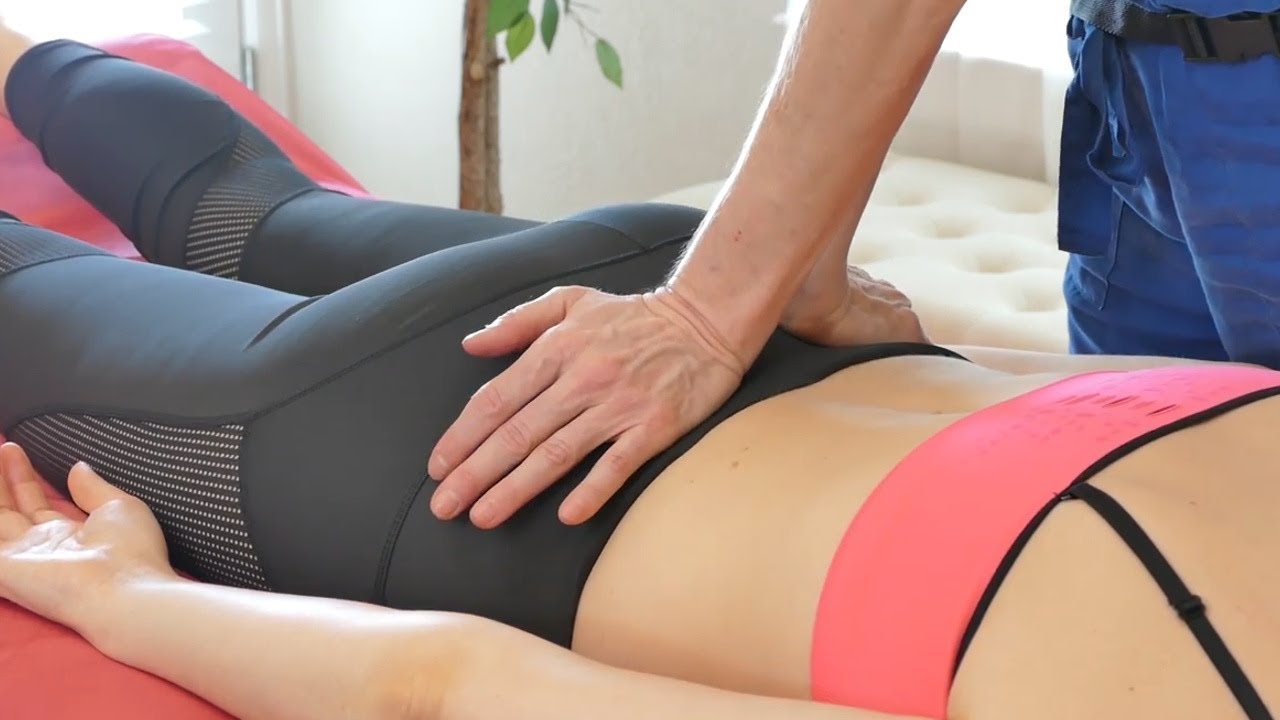 *
Dysmenorrhea in Adolescent Girls: Classification & Diagnosis
The ONE Sleeping Position that Can Reduce Period Pain (Plus Remedies)
Articles/Studies
- Dietary supplements for dysmenorrhoea.
- Electroacupuncture is Beneficial for Primary Dysmenorrhea: The Evidence from Meta-Analysis of Randomized Controlled Trials - PMC
- Effects of curcumin supplementation on vitamin D levels in women with premenstrual syndrome and dysmenorrhea.
- Ayurvedic Way Out to Udaavartini (Primary Dysmenorrhoea)
- N. sativa could be a promising, safe, and easily available analgesic supplement in women suffering from primary dysmenorrhea.
- Cinnamon can reduce the intensity of primary dysmenorrhea.
- Efficacy of Ginger for Alleviating the Symptoms of Primary Dysmenorrhea: A Systematic Review and Meta-analysis of Randomized Clinical Trials.
- Effect of yoga on serum homocysteine and nitric oxide levels in adolescent women with and without dysmenorrhea. RESULTS:
A total of 30 women from the dysmenorrheal group and 30 from the control group completed the study. Homocysteine levels were higher in those with dysmenorrhea when compared with healthy controls before yoga intervention (Mann-Whitney U test, p<0.05); however, no statistically significant differences were found between the two groups after 8 weeks of yoga training (p<0.05). The concentrations of homocysteine in both the dysmenorrheal and control groups after 8 weeks decreased by 51.37% and 46.46%, respectively (p<0.001). There were no statistically significant differences in NO levels between the two groups at baseline and after intervention. The total scores on the MDQs decreased significantly after yoga intervention in the dysmenorrheal group (p<0.05).
CONCLUSIONS:
Yoga intervention was found to be associated with reductions in severity of dysmenorrhea and may be effective in lowering serum homocysteine levels after an intervention period of 8 weeks. These observations suggest that yoga may have therapeutic effects in women by restoring endothelial function.
RESULTS:
The mean of nausea intensity and weakness decreased to 1.93, and 2.88 after 3 months, whereas they were 2.37, 6.65 in control group which indicated a significant difference. Reduce the duration of menstrual period, a significant difference was found after two and three months of use. Concern in terms of quality and feelings of well-being after 1 and 3 months, was observed significant difference compared with before using.
CONCLUSION:
Considering the safety of herbal medicines, this drug can use to relieve dysmenorrheal signs and menstrual duration.
Articles/Studies
- A millefolium is effective in minimizing the pain severity in primary dysmenorrhea.
- Essential Oils Massage Beats Tylenol for Menstrual Pain
- Effect of lavender inhalation on the symptoms of primary dysmenorrhea and the amount of menstrual bleeding: A randomized clinical trial.
- Auricular acupressure therapy was an effective intervention for alleviating abdominal pain, back pain, and primary dysmenorrhea.
- Electroacupuncture is Beneficial for Primary Dysmenorrhea: The Evidence from Meta-Analysis of Randomized Controlled Trials
- Acupressure showed evidence of pain relief while acupuncture improved both the mental and the physical components of quality of life.
- Acupressure has positive effects on menstrual distress in adolescent girls.
- Acupressure is an effective technique for reducing pain and anxiety during dysmenorrhea.
- Acupressure is therapeutic in alleviating symptoms associated with primary dysmenorrhea.
- Acupressure reduced the subjective perception of dysmenorrhea and the levels of norepinephrine.
- Acupuncture appears effective in treating dysmenorrhea associated with endometriosis.
- Acupuncture point injection of vitamin K3 rapidly relieves menstrual pain.
- An acupressure device is an effective and safe nonpharmacologic strategy for the treatment of primary dysmenorrhea.
- Management of dysmenorrhea through yoga.
- An herbal combination of saffron, celery seed and anise is more effective than the drug mefenamic acid (NSAID) in relieving menstrual pain.
- Effects of valerian on the severity and systemic manifestations of dysmenorrhea
- Aromatherapy abdominal massage has a positive effect on alleviating menstrual pain in nursing students.
- Aromatherapy massage on the abdomen is superior to Tylenol for alleviating menstrual pain in high school girls.
- Aromatherapy with topically applied lavender, clary sage and rose is effective in decreasing the severity of menstrual cramps in college students with dysmenorrhea.
- Auricular acupressure improves symptoms associated with primary dysmenorrhea.
- Cinnamon as compared significantly reduces the severity and duration of pain during menstruation, but this effect is less compared to that of Ibuprofen.
- Comparison of the effectiveness of fennel and mefenamic acid on pain intensity in dysmenorrhoea.
- Effect of fennel on pain intensity in dysmenorrhoea: A placebo-controlled trial.
- Fennel compares effectively to mefenamic acid on pain intensity in dysmenorrhoea.
- Fennel extract/vitamin E compares favorably with ibuprofen on the pain intensity in students with primary dysmenorrhea.
- Fennel is safe and effective for treating primary dysmenorrhea.
- Oral fennel (Foeniculum vulgare) drop compares favorably to an NSAID on primary dysmenorrhea.
- Oral fennel (Foeniculum vulgare) drop effect on primary dysmenorrhea: Effectiveness of herbal drug.
- Ginger is as effective as mefenamic acid and ibuprofen in relieving pain in women with primary dysmenorrrhea.
- Ear-electroacupuncture has therapeutic value in the treatment of endometriosis-induced dysmenorrhea in patients
- Collectively these RCTs provide suggestive evidence for the effectiveness of 750-2000 mg ginger powder during the first 3-4 days of menstrual cycle for primary dysmenorrhea.
- " Valerian seems to be an effective treatment for dysmenorrhea, probably because of its antispasmodic effects."
- A double-blind clinical trial was conducted with 48 outpatients diagnosed with primary dysmenorrhea massaging a blend of lavender, clary sage and marjoram with significant relief and reduction of menstrual pain.
- Abdominal meridian(Kyongrak) massage was very effective for relief of menstrual cramps and dysmenorrhea.
- Guava leaf extract (Psidii guajavae folium) significantly reduces menstrual pain compared to ibuprofen.
- Homeopathic treatment improves symptoms of dysmenorrhea in women.
- Lavender aromatherapy massage has therapeutic value in treating dysmenorrhea,
- lavender oil massage decreases primary dysmenorrhea and it can be used as an effective herbal drug.
- **Omega-3 fatty acid**supplementation has a drug sparing effect in women with dysmenorrhea.
- **Pine bark extract** significantly lowers pain medication requirement in dysmenorrhea.
- **Thymus vulgaris** is at least as effective as ibuprofen in reducing the severity of pain and spasm in primary dysmenorrhea.
- Treatment of primary dysmenorrhea in students with **ginger** for 5 days had a statistically significant effect on relieving intensity and duration of pain.
- **Valerian** extract inhibits contractility of the human uterus justifying its traditional use in the treatment of uterine cramping associated with dysmenorrhoea.
- **Zinc** treatment prevents dysmenorrhea.
- Zinc sulfate** reduces dysmenorrhoea severity with minimal or no adverse effects.
- **Dill** may have therapeutic activity in women with irregular cycles.
- Resveratrol** may be an effective therapy for uterine contractions associated with dysmenorrhea.
- These data suggest that **cinnamaldehyde** selectively induced progesterone production and inhibited production of testosterone and dehydroepiandrosterone in human adrenal cells, which may confirm its traditional use for menstrual pain and infertility.
- A double-blind clinical trial was conducted with 48 outpatients diagnosed with primary dysmenorrhea massaging a **blend of lavender, clary sage and marjoram EO** with significant relief and reduction of menstrual pain.
- The effect of **chamomile** on pain and menstrual bleeding in primary dysmenorrhea.
- Comparative pharmacokinetics study of **leonurine and stachydrine** in normal rats and rats with cold‐stagnation and blood‐stasis primary dysmenorrhoea after the administration of *Leonurus japonicus* houtt electuary…
- The study concluded that **Beta vulgaris juice** found to be effective non-pharmacological measures to reduce dysmenorrheal.
- Vitamin D supplementation** for patients with dysmenorrhoea.
- Acupuncture** is an effective and safe method of relieving dysmenorrhea, shortening the pain duration, and improving wellbeing and quality of life in women with endometriosis.