Tonic
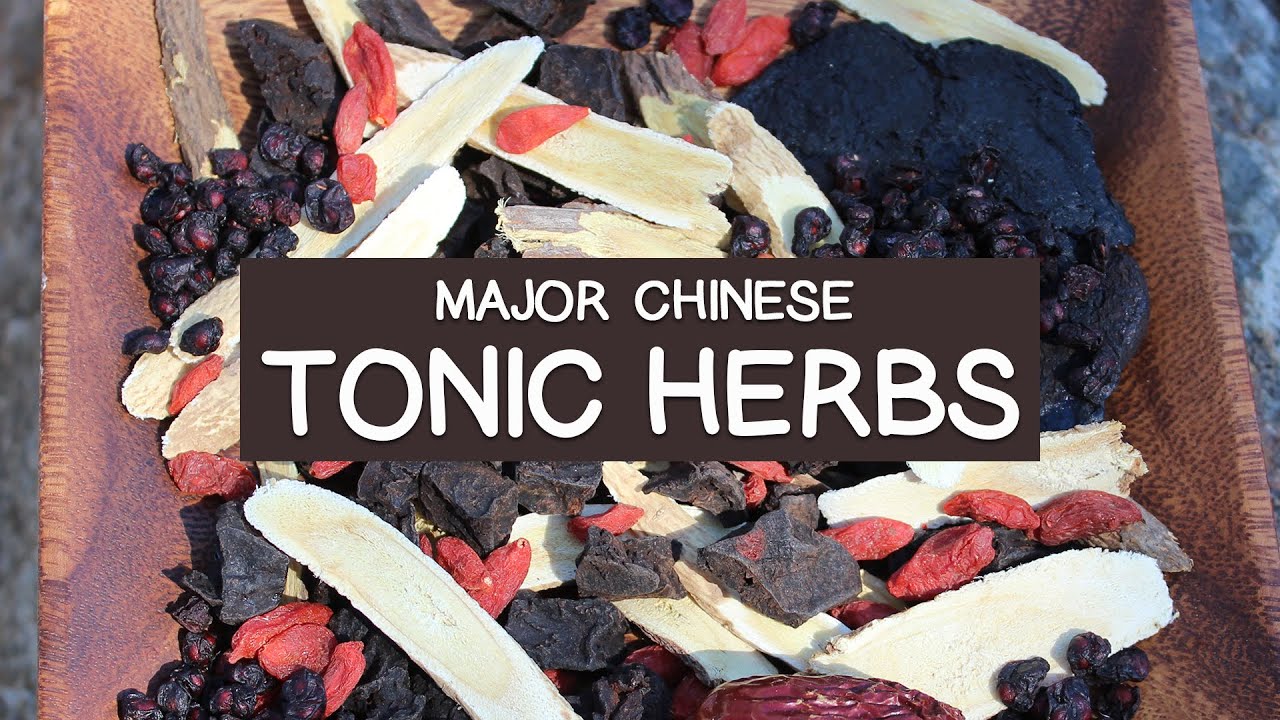
Builds overall health.
In Western herbalism the term "tonic" means restoring tone to tissues.
Plant remedies traditionally used as tonics:
- Astragalus membranaceus
- Avena sativa(oatstraw and milky oats)
- Glycyrrhiza glabra (licorice)
- Hypericum perforatum(St. John’s Wort)
- Medicago saativa (alfalfa)
- Panax ginseng
- Rhodiola rosea
- Serenoa repens(saw palmetto)
- Swertia chirata (chiretea)
- Trigonella foenum-graecum(fenugreek)
- Turnera diffusa (damiana)
- Verbena officinalis(vervain)
- Withania somnifera
Indications for Tonics:
- Convalescence
- Debilitating conditions with or without anorexia
- Chronic Fatigue Syndrome
TRUE TONICS
The distinction between a "tonic herb" and a "true tonic" herb, particularly with the idea that a true tonic is "bi-directional," comes from herbal medicine traditions, especially Traditional Chinese Medicine (TCM) and Ayurveda, where these terms carry nuanced meanings. Let’s break it down:
Tonic Herb (General Definition)
A tonic herb is broadly understood as a plant-based remedy that strengthens, nourishes, or supports the body over time. These herbs are often used to boost vitality, improve energy, enhance resilience, or address deficiencies in specific systems (e.g., immune, digestive, or nervous). Examples include:
- Ginseng: Boosts energy and stamina.
- Nettle: Rich in nutrients, supports overall vitality.
- Dandelion root: Supports liver function and digestion.
In Western herbalism, "tonic" often implies a gentle, long-term supportive effect—think of it as a nutritional or restorative ally. However, many tonic herbs work in a unidirectional way: they push the body toward a specific state, like increasing energy or reducing fatigue, without necessarily adapting to the body’s current needs.
True Tonic Herb (Bi-Directional Concept)
A "true tonic" herb, as described in systems like TCM or adaptogenic herbalism, goes beyond simple nourishment or stimulation—it’s bi-directional, meaning it has a dynamic, regulatory effect. It adjusts its action based on the body’s state, restoring balance rather than just amplifying one function. This adaptability is what sets it apart. These herbs are often called adaptogens in modern terms, a concept rooted in Soviet pharmacology but echoing ancient practices.
Bi-Directional Mechanism
- Homeostatic Balance: A true tonic doesn’t just "boost" or "calm"—it normalizes. It can upregulate a sluggish system or downregulate an overactive one, depending on what’s needed.
- Stress Response: These herbs often modulate the hypothalamic-pituitary-adrenal (HPA) axis, balancing cortisol and other stress hormones.
- Dual Action: They might enhance energy when you’re fatigued but calm you when you’re anxious, acting like a physiological thermostat.
Examples of True Tonic Herbs
- Ashwagandha (Withania somnifera):
- Boosts energy and resilience in cases of exhaustion.
- Calms anxiety and promotes sleep when stress is high.
- Mechanism: Modulates cortisol, supports thyroid function, and balances neurotransmitters.
- Reishi Mushroom (Ganoderma lucidum):
- Strengthens immunity if it’s weak.
- Reduces overactive immune responses (e.g., in allergies).
- Mechanism: Polysaccharides and triterpenes regulate immune signaling and inflammation.
- Holy Basil (Ocimum sanctum):
- Lifts mood and energy when depleted.
- Reduces stress and hyperactivity when overwhelmed.
- Mechanism: Influences cortisol, blood sugar, and antioxidant pathways.
- Schisandra (Schisandra chinensis):
- Enhances focus and stamina under fatigue.
- Soothes restlessness or overstimulation.
- Mechanism: Supports liver detoxification and adrenal balance.
Why Bi-Directional?
This adaptability comes from complex phytochemical profiles that interact with multiple systems simultaneously. For instance:
- Polyphenols and saponins (e.g., in ginseng or ashwagandha) tweak stress pathways bidirectionally.
- Triterpenoids (e.g., in reishi) calm or stimulate immunity based on context.
- Unlike unidirectional herbs (e.g., caffeine-rich guarana, which only stimulates), true tonics don’t overdrive one direction—they harmonize.
Tonic vs. True Tonic: The Distinction
- Tonic Herb: Often unidirectional, specific in action.
- Example: Nettle builds iron levels and vitality but won’t calm an overactive system—it’s supportive, not regulatory.
- Use: Targets a deficiency or boosts a function consistently.
- True Tonic Herb: Bi-directional, regulatory, and context-sensitive.
- Example: Ashwagandha can energize or relax, depending on your state—it’s about equilibrium.
- Use: Restores balance across a spectrum, not just pushing one way.
Historical Context
In TCM, true tonics (like the "superior herbs" in the Shennong Bencao Jing) were prized for longevity and balance—think ginseng, reishi, or astragalus. They were safe for long-term use and worked holistically. Western herbalism sometimes uses "tonic" more loosely, so the "true tonic" label emphasizes this sophisticated, adaptive quality.
Modern Science
The bi-directional idea aligns with the adaptogen concept, defined by researchers like Lazarev and Brekhman in the 1940s-60s. Adaptogens must:
- Increase resistance to stress nonspecifically.
- Normalize physiological function (up or down).
- Be non-toxic over time. This matches the "true tonic" profile—herbs like eleuthero or rhodiola fit here, too.
In Short
A tonic herb supports or strengthens, often in one direction. A true tonic, being bi-directional, tunes the body like a dial—up or down as needed—making it a master of balance rather than just a booster. It’s the difference between a steady nudge and a smart, responsive adjustment.
Cautions in the use of Tonics:
The use of tonic herbs may be difficult, in the following circumstances:
- Very severe debility especially if associated with immune or digestive collapse
- Renal or hepatic failure
- Rampant cancer or strong regimes of chemotherapy
Applications:
The state of digestion is the main determinant of dosage times. Tonics may be best taken with or after meals if the stomach and digestive system are weakened; in severe cases, they may need to be taken with fluid nourishment. Dosage should be rather more than less frequent: ‘little and often’ might be a useful axiom. Tonics taken immediately before bed can help when sleep is non-restorative. Withania is ideal for this.
Long-term therapy with tonics is generally indicated and often advisable.
Source: Principles and Practice of Phytotherapy, 2nd Edition, 2013 by Kerry Bone and Simon Mills. Indicated by (Bone & Mills)
CLINICAL IMPLICATIONS OF BI-DIRECTIONAL REGULATION IN TREATING CHRONIC CONDITIONS
Understanding Bi-directional Regulation in TCM
Bi-directional regulation is an essential characteristic of Traditional Chinese Medicine (TCM) therapy, particularly in acupuncture treatment. This therapeutic approach allows for the regulation of bodily functions in two directions—either stimulating or inhibiting physiological processes depending on the patient's condition. The concept of bi-directional regulation fully manifests the integrity philosophy connotation of balancing regulation in a network system, following the dialectical philosophy law of the unity of opposites. In acupuncture therapy, this approach enables practitioners to utilize the same points or techniques to achieve different therapeutic effects based on the patient's pathological state. The effectiveness of this regulatory mechanism depends on various factors including the stimulator, mediator, and receptor interactions that form the foundation of the treatment.
Integration of TCM and Western Medicine
The integration of Traditional Chinese Medicine with conventional Western treatments represents a significant clinical advancement in treating chronic conditions. Recent research suggests that integrative medicine approaches are not simply TCM plus Western medicine but rather require scientific methods or models to effectively combine their strengths. The merits of such integrative approaches in preventing or ameliorating chronic diseases are increasingly recognized in biomedical research and clinical applications. Chronic diseases present global threats to human health, and by applying TCM theory of body constitution to their treatment while comprehensively identifying and differentiating syndrome, disease, and constitution, TCM can be fully utilized in diagnosis and treatment. This integration allows population-based and evidence-based modern medicine to organically align with individual-focused and speculation-based TCM, providing benefits for controlling chronic diseases and reducing their burden on human health.
Enhanced Efficacy in Chronic Gastritis Treatment
Research has demonstrated that the combination of TCM and Western medicine in treating chronic gastritis leads to superior outcomes compared to Western medicine alone. A clinical study involving 76 patients with chronic gastritis showed that the effective rate in the treatment group receiving combined therapy was 86.5%, while the group receiving only Western medicine had an effective rate of 59.0%. The statistical significance of this difference (p<0.05) confirms that the curative effect of combining TCM and Western medicine for chronic gastritis exceeds that of Western medicine treatment alone. This suggests that bi-directional regulation approaches in TCM can significantly enhance the management of this chronic digestive condition.
Improved Outcomes in Chronic Heart Failure
Chronic congestive heart failure (CHF) is another condition where bi-directional regulation through integrated therapy has shown promising results. A study of 90 cases of chronic congestive heart failure found that patients treated with a combination of routine Western medicine and TCM injections and decoctions achieved a total effective rate of 88.9%, compared to 73.3% in the control group receiving only Western medicine. The treatment group demonstrated statistically significant superiority over the control group (P<0.01). After the integrated therapy, parameters of hemorheology were significantly decreased compared to pre-therapy measurements, and there were no adverse effects resulting from the medications used in the research. These findings indicate that in cases of chronic congestive heart failure, the combination of Western medicine and TCM may reduce blood viscosity and improve heart failure outcomes.
Effective Management of Chronic Osteomyelitis
Chronic osteomyelitis presents another challenging condition where bi-directional regulation through integrated therapy has demonstrated enhanced efficacy. A prospective study of 121 cases of chronic osteomyelitis compared treatment outcomes across three groups: those treated with traditional Chinese medicine methods, Western medicine methods, and integrated therapy. The results showed total effective rates of 66.7%, 54.8%, and 88.9% respectively, with the integrated therapy group showing significantly better outcomes. Additionally, the average hospitalization period was notably shorter for the integrated therapy group (43.7 days) compared to the TCM group (59.3 days) and Western medicine group (74.6 days). The significant differences among the three groups in both total effective rate and average period of hospitalization (P<0.01) highlight the superior effect of integrated therapy in treating chronic osteomyelitis.
Role in Chronic Hepatitis B Management
Chronic hepatitis B, a major infectious disease with high prevalence rates, has also been addressed through bi-directional regulation approaches. Chinese herbs have shown positive effects on liver inflammation, antifibrotic actions, immune regulation, and improving quality of life in patients with chronic hepatitis B. TCM syndrome-based treatment following the principle of syndrome-prescription-efficacy aims to improve clinical efficacy in managing this condition. The establishment of structured data collection platforms for TCM examination information, along with specification information collection, statistical analysis, and clinical verification of TCM syndromes associated with chronic hepatitis B, provides a promising research approach to understanding and treating this chronic condition.
Mechanisms of Bi-directional Regulation
The mechanisms underlying bi-directional regulation in TCM therapies are complex and multi-faceted. Research indicates that this regulatory effect operates through four key mechanisms: homeostasis mechanisms, stress reactions, central adaptive regulation, and autonomic nerve regulation. In acupuncture therapy, the specificity of acupoints and the multi-target regulation of receptors receiving stimulation signals constitute essential links in the bi-directional regulation process. Understanding the limitations of bi-directional regulation and exploring suitable research methods are proposed as key points for future investigations. Similarly, Chinese traditional sole or compound medicines can affect gastro-intestinal smooth muscle in a bi-directional manner under different conditions. The mechanism likely involves balanced regulation within a multi-level network system. Interestingly, even Western medicines can act on gastro-intestinal smooth muscle in a bi-directional manner at general body, isolated organ, or molecular levels.
Immune System Regulation Effects
Bi-directional regulation plays a significant role in modulating immune responses, which is particularly important for chronic conditions with immune system involvement. Previous studies have shown that Chinese herbal medicine has dual roles in immunological regulation, including both promotion and suppression of immune functions. This review summarizes both the promotive actions of Chinese herbal medicine on immune cells, cytokines, development of immunological organs, and anti-cancer therapy, as well as its suppressive actions on inflammation, hypersensitivity, autoimmune diseases, and graft rejection. Histamine, one of the important mediators of many diseases such as hypersensitivity, gastric ulcer, and inflammation, regulates local immune responses in tumor tissues through multiple mechanisms with ambivalent effects. It demonstrates differential effects on tumor cell growth depending on selective reaction with its receptors and influences the secretion of various cytokines from local activated immune cells by shifting TH1/TH2 polarization towards predominance of TH2.
Intestinal Microecology Regulation
The relationship between TCM and intestinal microecology has received increasing attention in recent years. Combined with the development of intestinal microecology disciplines, the effects of TCM on regulating intestinal microecology have been gradually explained. Both clinical studies and animal experiments have confirmed that TCM can maintain the balance of intestinal microecology and regulate intestinal flora. Research documents from the past decade demonstrate that Chinese herbal compounds that strengthen the spleen, replenish Qi, relax bowels, regulate Qi, dissipate dampness, check diarrhea, clear away heat and toxic materials, promote digestion, and relieve stasis have certain regulatory effects on intestinal microecology. These findings provide a basis for revealing the TCM essence of intestinal microecology and its importance in managing chronic digestive conditions.
Synergy in Disease Management Partnerships
Effective management of chronic conditions often involves disease-management partnerships. Research has explored associations among disease-management partnership functioning, synergy, and effectiveness in delivering chronic-illness care. A cross-sectional study involving 218 professionals participating in 22 disease-management partnerships across the Netherlands assessed these relationships. The study found that partnership effectiveness was positively associated with leadership (β = 0.25; P≤ 0.01) and resources (β = 0.31; P≤ 0.001), while partnership synergy acted as a mediator for partnership functioning and was significantly associated with partnership effectiveness (β = 0.25; P≤ 0.001). Disease-management partnerships appeared better able to deliver higher levels of chronic-illness care when synergy was created between partners. This synergy was more likely to emerge with boundary-spanning leaders who understood and appreciated partners' different perspectives, could bridge diverse cultures, and were comfortable sharing ideas, resources, and power.
Autoimmune Conditions Management
The integration of TCM and Western medicine has shown promising results in treating autoimmune conditions such as autoimmune infertility. A study exploring integrative therapy in 80 female patients with infertility examined autoimmune antibodies in serum using indirect immunofluorescence and ELISA methods before and after treatment. The results demonstrated that different autoimmune antibodies in patients treated with TCM combined with Western medicine decreased obviously compared to those treated with Western medicine alone, with a significant difference between the two treatment methods (P<0.05). This indicates that TCM combined with Western medicine has remarkable advantages in declining various autoimmune antibodies and increasing negative conversion rates of antibodies in autoimmune infertility.
Chronic Renal Failure Treatment
Chronic renal failure represents another serious condition where bi-directional regulation through integrated therapy has shown efficacy. A study of 80 patients with chronic renal failure compared a combined therapy group taking oral rhubarb capsules and receiving retention enema treatment with a Western medicine group taking Oxyamyli tectus Aldehydum. Clinical symptoms and laboratory parameters improved more significantly in the combined therapy group than in the Western medicine group (P<0.05). The total effective rate of combined therapy was higher than that of Western medicine alone (χ2=8.17, P<0.01), suggesting that the combined therapy of TCM with Western medicine has an energetic effect on chronic renal failure that warrants further research.
Biotransformation and Fermentation Technology
The application of biotransformation and bi-directional solid fermentation technology in traditional Chinese medicine is based on the inheritance of traditional Chinese medicine fermentation combined with modern biological technology. This approach can significantly improve the clinical curative effect of traditional Chinese medicine, develop new clinical value in TCM, and improve utilization of Chinese herbal medicine resources to innovate a batch of medicines. The biological technology in traditional Chinese medicine research is forming a biological conversion system with Chinese characteristics that will accelerate the development of new TCM drugs and the modernization of traditional Chinese medicine, thereby improving the international competitiveness of the Chinese medicine industry.
Neural Interfaces and Chronic Neuroprosthesis Research
Beyond traditional TCM approaches, bi-directional regulation concepts are also being applied in advanced biomedical technologies for chronic condition management. An implantable bi-directional brain-machine interface (BMI) prototype with sensing, algorithm, wireless telemetry, and stimulation therapy capabilities has been designed for chronic studies exploring closed-loop and diagnostic opportunities for neuroprosthetics. This system aims to enable fundamental chronic research into the physiology of neurological disorders, define key electrical biomarkers related to disease, and apply this learning to patient-specific algorithms for therapeutic stimulation and diagnostics. The ultimate goal is to provide practical neuroprosthetics with adaptive therapy for improved efficiency and efficacy in managing chronic neurological conditions.
Late-Life Depression and Alzheimer's Disease Connection
Bi-directional regulation concepts have also informed understanding of the relationship between chronic conditions like late-life depression and Alzheimer's Disease (AD). While these relationships have traditionally been investigated as one-directional, emerging research proposes that the interaction is bi-directional due to central neuropathological mechanisms underlying both diseases. These mechanisms include stress-response, amyloid, inflammatory, and genetic hypotheses. By reviewing these shared underlying mechanisms and investigating evidence for both one-directional relationships, a new model called the bi-directional threshold model has been proposed. This model accounts for the bi-directional interaction between AD and late-life depression, contributing to the literature by serving as a starting point for further research. A better understanding of this model could have major implications in improving the course of both clinical conditions.
Quality of Life Improvements in Chronic Conditions
Measuring quality of life improvements is crucial when assessing therapeutic regimens for chronic conditions such as psoriasis. Faster improvements in quality of life lead to better patient compliance, though few studies compare the timing of traditional and biologic therapies. A retrospective analysis of 56 patients administered different drugs collected vital statistics, psoriasis area severity index (PASI), and PSOdisk measurements at baseline and after 30 days. The study found a moderate correlation between PASI and PSOdisk score (r: .62). In terms of clinical score improvements after 30 days, Ustekinumab emerged as the fastest therapy available, while cyclosporine, among the systemic therapies, appeared highly competitive if not better than other biologic therapies.
Challenges and Future Directions
While bi-directional regulation approaches offer significant advantages in managing chronic conditions, they also present challenges that require further research and development. Ancient literature records of bi-directional regulation effects of acupuncture therapy provide historical context, but modern analysis of influencing factors and mechanisms is needed to emphasize the importance of using bi-directional regulated effects in clinical practice and to establish the necessity of further studying its mechanisms. Similarly, potential limitations of bi-directional neural interfaces for chronic condition management need to be addressed through technology validation in large animal models and human clinical trials. The characterization of bioelectric sensing in the presence of stimulation and correlation of activity within neural structures represent important steps in validating these advanced technologies for chronic condition management.
Conclusion
The clinical implications of using bi-directional regulation in treating chronic conditions are far-reaching and significant. By integrating TCM approaches with Western medicine through scientifically sound models, healthcare providers can achieve better outcomes in managing various chronic diseases. The evidence from multiple clinical studies across different chronic conditions consistently demonstrates superior effectiveness of integrated approaches compared to single-modality treatments. As research in this field advances, a deeper understanding of the mechanisms underlying bi-directional regulation will likely lead to even more effective therapeutic strategies, improved patient outcomes, and enhanced quality of life for individuals living with chronic conditions.
Sources:
[1] Clinical Observation on 76 Cases of Chronic Gastritis Treated with Combination of TCM and Western Medicine, https://www.semanticscholar.org/paper/9e6e02fd8603c4208e6724b41018f32b8ab7fa35
[2] Relationship Between Traditional Chinese Medicine(TCM)Constitution and TCM Syndrome in the Diagnosis and Treatment of Chronic Diseases., https://www.semanticscholar.org/paper/7af1884af6f408f6e58d17479d3146a65c3d2c7b
[3] Observation of Chronic Congestive Heart Failure Treated with Combination of Western Medicine and TCM, https://www.semanticscholar.org/paper/0ddf5b72c7f4a6848862fb7c599e9518d59faccd
[4] Clinical effect of chronic osteomyelitis treated with integrated therapy of TCM and Western medicine, https://www.semanticscholar.org/paper/4cfd4d38172207b8d87637816b1816e4a64c9579
[5] Research on TCM Syndrome Distribution of Chronic Hepatitis B, https://www.semanticscholar.org/paper/2398220ce5dfee3786bb341bfc02a5c63fa8cbe0
[6] Bi-directional Regulation Effect of Chinese and Western Medicines Used in Gastro-Intestine on Gastro-Intestinal Smooth Muscle, https://www.semanticscholar.org/paper/a30ec4ef9ec9e73a689aa326e66060a294c1521b
[7] Brief Discussion on Bi-directionally Regulated Effects of Acupuncture, https://www.semanticscholar.org/paper/413afe24b9ad5e6837486df5c6ece314fcd149cd
[8] [Research progress on mechanisms of bidirectional regulation of acupuncture]., https://www.semanticscholar.org/paper/e4643717a746b30f4c892dbff0c45613a9acdd09
[9] Application of medicinal fungi bi- directional solid fermentation based on bioconversion technology in the in the development of traditional Chinese medicine, https://www.semanticscholar.org/paper/6bb5bf7376002d669f29442e96d479a2f0b0aaa7
[10] Dc-bus voltage regulation and power compensation with bi-directional inverter in dc-microgrid applications, https://www.semanticscholar.org/paper/eb167bc47f1f388064b770dafb505da5f6ccd7d1
[11] [Research status on regulation of Chinese herbal compound on intestinal microecology]., https://www.semanticscholar.org/paper/dc057b0e07e6f9be0c4c7d4a4372b3482e3acd83
[12] Immunological regulation of Chinese herbal medicine, https://www.semanticscholar.org/paper/64666ad4553261612d5057f7c442285d34d8fa51
[13] Disease-management partnership functioning, synergy and effectiveness in delivering chronic-illness care., https://www.semanticscholar.org/paper/5e5b7768d908aa83685050d0947ce58ac2c42b22
[14] Chronic disease management: a business intelligence perspective, https://www.semanticscholar.org/paper/b78069db753c67c19a7c06d9fb1bc4e9f23da420
[15] A chronic generalized bi-directional brain–machine interface, https://www.semanticscholar.org/paper/6d730df3022eab81d1d9970d54a51173548f3b84
[16] Therapeutic effect of Bi-directional shunt on complex congenital heart disease, https://www.semanticscholar.org/paper/11e6cac8ee6d91c1dc34d6297ccdb608f0a0021a
[17] An implantable Bi-directional brain-machine interface system for chronic neuroprosthesis research, https://www.semanticscholar.org/paper/83a7c00e2da7f0a2c56df7287bfcc62a8e10fd68
[18] Bi-directional regulation of histamine in tumor immunity, https://www.semanticscholar.org/paper/12eab13e9290fc91d6e5cf209376983a9fbfa56e
[19] Preliminary validation of an implantable bi-directional neural interface for chronic, in vivo investigation of brain networks, https://www.semanticscholar.org/paper/2cb89380404b686518a7588398372e5358ee6ea1
[20] Late-Life Depression & Alzheimer's Disease: A Proposal For The Bi-directional Threshold Model, https://www.semanticscholar.org/paper/f5f185654798084e8947883c1cebae256d05daf2
[21] Timing of quality of life improvements in psoriatic patients treated with different systemic therapies, https://www.semanticscholar.org/paper/2a7ca9412fd12a08a09434681647e8084148470c
[22] Pet Owners’ Preferences for Quality of Life Improvements and Costs Related to Innovative Therapies in Feline Pain Associated with Osteoarthritis—A Quantitative Survey, https://www.semanticscholar.org/paper/31e08b56e31f5fc276e378c38e8ce342e998d5ed
[23] Immunity infertility treated with TCM combined with western medicine(Report of 78 cases), https://www.semanticscholar.org/paper/0f750de3c23410c266c1f693b1ad01d1ae5afa77
[24] Clinical Research Model of Integration of TCM and Western Medicine, https://www.semanticscholar.org/paper/28df9effbd364f0b68a2188e387d4e82de23470c
[25] Combined therapy of TCM with Western medicine on chronic renal failure, https://www.semanticscholar.org/paper/76aad8d7173059fbaa7c1c245db6f2b933385772
[26] Chronic elevation of pulmonary microvascular pressure in chronic heart failure reduces bi‐directional pulmonary fluid flux, https://onlinelibrary.wiley.com/doi/10.1093/eurjhf/hfs201