Urinary System / Urinary Tract
Return to Urinary System Menu
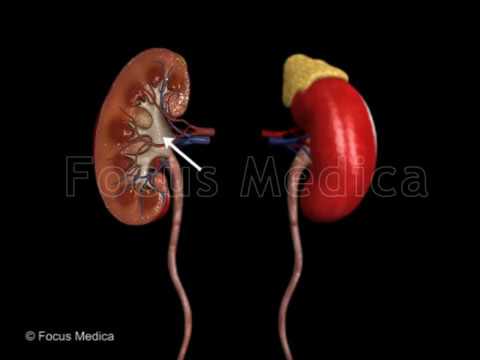
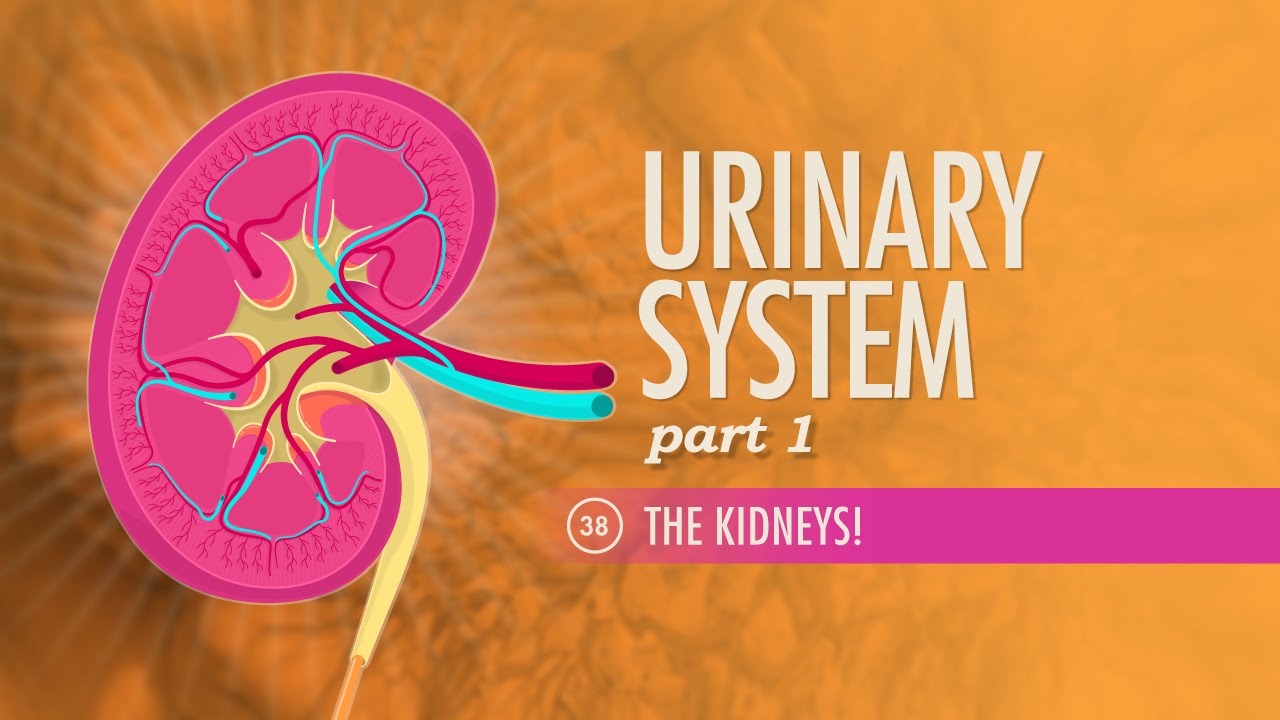

COMPONENTS OF THE URINARY SYSTEM
The urinary system consists of several key structures:
- Kidneys: These bean-shaped organs are located on either side of the spine, just below the rib cage. They are the primary organs responsible for filtering blood and producing urine. Each kidney contains approximately one million nephrons, which are the functional units that filter blood, reabsorb necessary substances, and excrete waste.
- Ureters: These are muscular tubes that transport urine from the kidneys to the bladder. Each ureter is about 10-12 inches long and uses peristaltic movements to push urine downward.
- Bladder: A hollow, muscular organ that stores urine until it is ready to be expelled from the body. The bladder can hold between 400-600 milliliters of urine in adults and is lined with a special type of epithelium that allows it to expand and contract.
- Urethra: This tube carries urine from the bladder to the outside of the body. In males, the urethra is longer and also serves as a passage for semen, while in females, it is shorter and solely for urine excretion.
Functions of the Urinary System
The urinary system performs several vital functions:
- Filtration: The kidneys filter blood to remove waste products and excess substances, such as urea, creatinine, and uric acid, which are byproducts of metabolism.
- Reabsorption: Essential nutrients, water, and electrolytes are reabsorbed into the bloodstream from the filtrate in the nephrons.
- Secretion: Additional waste products and excess ions are secreted into the tubular fluid to be excreted as urine.
- Excretion: The final urine, composed of waste products and unneeded substances, is excreted from the body through the urethra.
- Regulation of Blood Pressure: The kidneys help regulate blood pressure by adjusting the volume of blood (through water reabsorption) and releasing the enzyme renin, which influences blood vessel constriction.
- Acid-Base Balance: The kidneys maintain the body's pH balance by excreting hydrogen ions and reabsorbing bicarbonate from urine.
- Erythropoiesis: The kidneys produce erythropoietin, a hormone that stimulates the production of red blood cells in response to low oxygen levels in the blood.
Common Disorders of the Urinary System
Several disorders can affect the urinary system, impacting its ability to function properly:
- Urinary Tract Infections (UTIs): These infections are typically caused by bacteria entering the urinary tract, leading to symptoms such as frequent urination, pain, and cloudy urine. UTIs are more common in women due to the shorter urethra.
- Kidney Stones: Hard mineral deposits that form in the kidneys can cause severe pain and block urine flow. They are often composed of calcium oxalate and can be influenced by diet and hydration levels.
- Chronic Kidney Disease (CKD): A long-term condition where the kidneys gradually lose function. It can result from diabetes, high blood pressure, and other chronic conditions.
- Acute Kidney Injury (AKI): A sudden loss of kidney function, often due to injury, infection, or medication. It requires immediate medical attention.
- Incontinence: The involuntary leakage of urine, which can result from weakened pelvic muscles, nerve damage, or other factors.
Maintaining a Healthy Urinary System
To keep the urinary system healthy, consider the following tips:
- Stay Hydrated: Drinking plenty of water helps dilute urine and flush out toxins, reducing the risk of kidney stones and UTIs.
- Practice Good Hygiene: Proper hygiene can prevent bacteria from entering the urinary tract, especially in women.
- Maintain a Balanced Diet: A diet low in salt, sugar, and animal protein can help prevent kidney stones and support overall kidney health.
- Regular Check-Ups: Routine medical check-ups can help detect any issues early, especially for those with risk factors for kidney disease.
- Avoid Smoking and Excessive Alcohol: These habits can damage the kidneys and increase the risk of kidney disease.
Quantifying and characterizing proanthocyanidins in cranberries in relation to urinary tract health.
Role of vitamin D in common urological conditions: a narrative review of past decade literature