Electroacupuncture



What happens during a session?

For Knee Pain


Electroacupuncture is a modern variation of the ancient Chinese practice of acupuncture, which involves the insertion of thin needles into specific points on the body to stimulate healing and relieve pain. This technique combines traditional acupuncture with electrical stimulation, offering a unique approach to managing various health conditions.
What is Electroacupuncture?
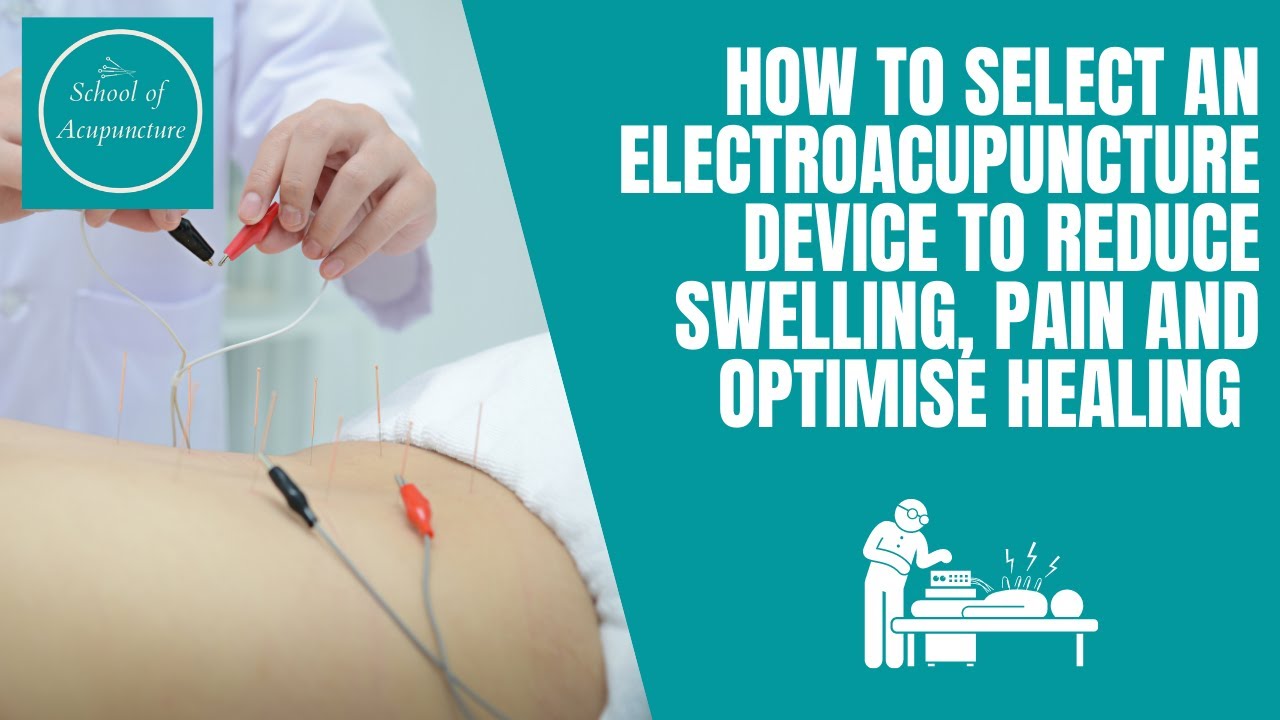
Electroacupuncture involves the application of a small electrical current to acupuncture needles that have been inserted into the body. This electrical stimulation is believed to enhance the effects of traditional acupuncture by providing a more consistent and stronger stimulus to the acupuncture points. The electrical current is typically delivered through a device that allows practitioners to adjust the frequency and intensity of the stimulation according to the patient's needs.
How Does Electroacupuncture Work?
The mechanism of electroacupuncture is thought to be similar to that of traditional acupuncture, which is based on the concept of balancing the body's energy flow, or qi. In traditional Chinese medicine, it is believed that illness and pain result from disruptions in the flow of qi along pathways known as meridians. By stimulating specific points along these meridians, acupuncture aims to restore balance and promote healing.
In electroacupuncture, the electrical current is believed to enhance the stimulation of these points, potentially leading to more effective treatment outcomes. The electrical impulses can help to increase blood flow, reduce inflammation, and stimulate the release of endorphins, which are the body's natural pain-relieving chemicals.
Benefits of Electroacupuncture
Electroacupuncture is used to treat a wide range of conditions, and its benefits include:
- Pain Relief: It is commonly used to manage chronic pain conditions such as arthritis, back pain, and migraines. The electrical stimulation can help to reduce pain by blocking pain signals and promoting the release of endorphins.
- Improved Circulation: The technique can enhance blood flow to targeted areas, which may aid in the healing process and reduce inflammation.
- Muscle Relaxation: Electroacupuncture can help to relax tense muscles, making it beneficial for conditions like muscle spasms and tension headaches.
- Neurological Benefits: Some studies suggest that electroacupuncture may be effective in treating neurological disorders such as stroke and neuropathy by promoting nerve regeneration and improving motor function.
- Stress Reduction: Like traditional acupuncture, electroacupuncture can help to reduce stress and anxiety by promoting relaxation and balancing the body's energy.
Conditions Treated with Electroacupuncture
Electroacupuncture is used to address a variety of health issues, including:
- Chronic Pain: Conditions such as fibromyalgia, osteoarthritis, and lower back pain.
- Neurological Disorders: Stroke rehabilitation, peripheral neuropathy, and Bell's palsy.
- Musculoskeletal Issues: Sports injuries, muscle strains, and joint pain.
- Digestive Disorders: Irritable bowel syndrome (IBS) and nausea.
- Mental Health: Anxiety, depression, and stress-related disorders.
Safety and Considerations
While electroacupuncture is generally considered safe when performed by a trained practitioner, there are some considerations to keep in mind:
- Qualified Practitioner: It is important to seek treatment from a licensed and experienced acupuncturist who is trained in electroacupuncture techniques.
- Medical Conditions: Patients with certain medical conditions, such as heart disease or epilepsy, should consult with their healthcare provider before undergoing electroacupuncture.
- Pregnancy: Pregnant women should discuss the use of electroacupuncture with their healthcare provider, as certain acupuncture points may not be safe during pregnancy.
- Side Effects: Some patients may experience mild side effects such as bruising, soreness, or tingling at the needle sites.
Articles/Studies
Acute Lung Injury
Age-Related Cognitive Impairment
Alzheimer's
Anti-Inflammatory
- Electroacupuncture prevents white adipose tissue inflammation through modulation of hypoxia-inducible factors-1α-dependent pathway in obese mice
- Electroacupuncture therapy in inflammation regulation: current perspectives
- Electroacupuncture synergistically inhibits proinflammatory cytokine production and improves cognitive function.
Arthritis
Cardiovascular
- Electroacupuncture of acupoints of heart meridian ameliorates acute myocardial ischemia via Akt/mTOR pathway.
- Effect of electroacupuncture at Wushu acupoints of the cardiopulmonary meridian on the autophagy in rats with acute myocardial ischemia.
COPD
- Electroacupuncture had beneficial effects on chronic obstructive pulmonary disease.
- Effects of electroacupuncture at Zusanli (ST36) on inflammatory cytokines in a rat model of smoke-induced chronic obstructive pulmonary disease
Diabetic Nephropathy
Electroacupuncture can effectively alleviate kidney damage in diabetic nephropathy.
Immune System
Gastrointestinal Effects
- Effect of electroacupuncture on intestinal Toll-like receptor 4 and nuclear factor-kappa B in obese rats.
- Effect of Electroacupuncture on gut microbiota in participants with knee osteoarthritis.
- Effect of electroacupuncture at Zusanli (ST36) on intestinal microbiota in rats with chronic atrophic gastritis.
Neuroprotective
- Electroacupuncture attenuates allodynia in neuropathic rats.
- The present study suggests that the role of electroacupuncture in neuroprotection and dorsal neuronal function recovery after SCI in rats.
- Electroacupuncture stimulation at Baihui and Siguan acupoints exerts a neuroprotective role against cerebral ischemia-reperfusion injury.
- Electroacupuncture in promoting neural repair after spinal cord injury.
- Electroacupuncture promotes the survival of the grafted human MGE neural progenitors in rats with cerebral ischemia.
- Electroacupuncture ameliorates neuroinflammation in animal models.
- Electroacupuncture for spinal cord injury: a systematic review and meta-analysis.
Pain
- Electroacupuncture treatment exhibited significant antinociceptive effects.
- When used in combination with electroacupuncture, morphine could result in improving analgesic effects and reducing tolerance.
- Electroacupuncture reduces fibromyalgia pain.
- Role of spinal RIP3 in inflammatory pain and electroacupuncture-mediated analgesic effect in mice.
Peridontal Disease
Prostatitis
Respiratory
Sepsis
Stroke
Electroacupuncture appears to be an efficacious and safe treatment for post-stroke depression.