Compression Bandage
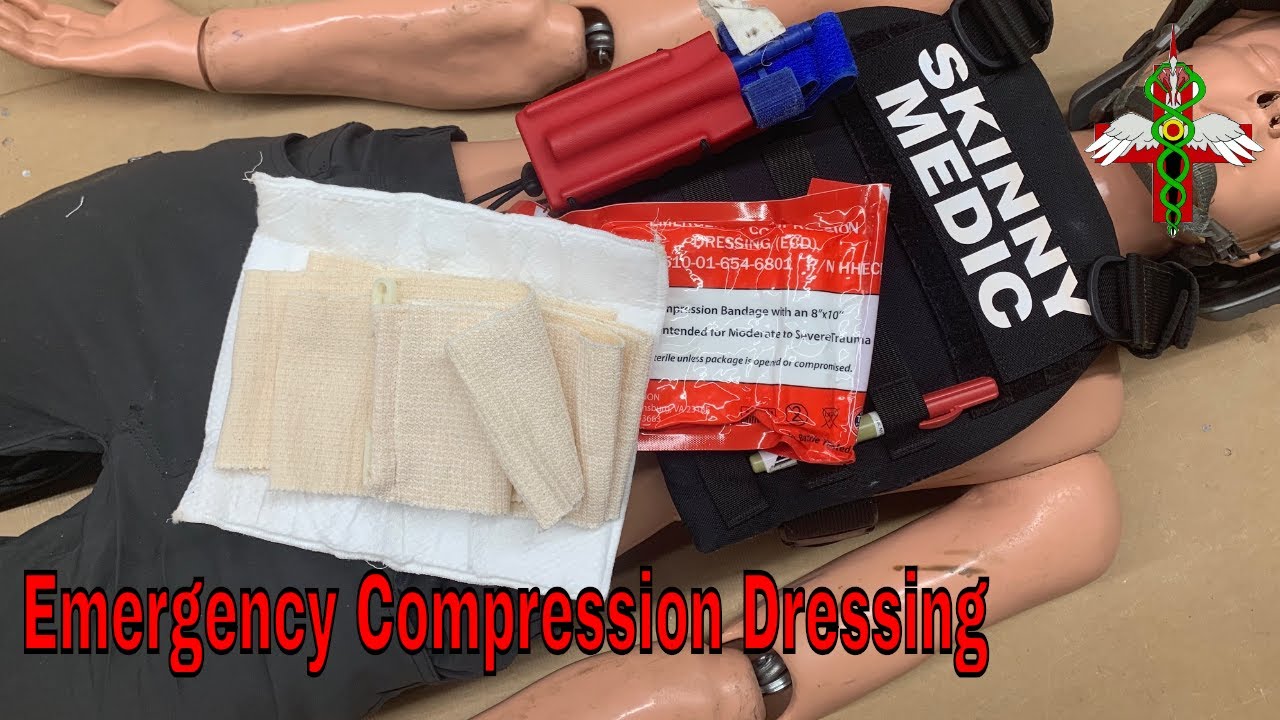
Compression bandages are a critical component of bleeding control kits, designed to manage and control bleeding in emergency situations. These bandages are essential for first responders, medical professionals, and even laypersons who may encounter situations requiring immediate intervention to prevent excessive blood loss.
What is a Compression Bandage?
A compression bandage is a specially designed bandage that applies pressure to a wound to control bleeding and promote clotting. Unlike regular bandages, compression bandages are made from elastic materials that allow them to stretch and conform to the body, providing consistent pressure over the wound site. This pressure is crucial in managing hemorrhage, especially in cases of severe trauma.
Components of a Bleeding Control Kit
Bleeding control kits are comprehensive kits that contain various tools and supplies to manage bleeding effectively. While the contents may vary, a typical bleeding control kit includes:
- Compression Bandages: The primary tool for applying pressure to wounds.
- Tourniquets: Used to stop blood flow to a limb in cases of severe bleeding.
- Gauze Pads: For absorbing blood and providing additional pressure.
- Gloves: To protect the responder and prevent infection.
- Trauma Shears: For cutting clothing or bandages.
- Hemostatic Agents: Substances that promote rapid clotting.
The Role of Compression Bandages
Compression bandages play a pivotal role in bleeding control by:
- Applying Direct Pressure: The elastic nature of the bandage allows it to apply direct and consistent pressure to the wound, which is essential for controlling bleeding.
- Promoting Clotting: By maintaining pressure, compression bandages help in the natural clotting process, reducing blood loss.
- Stabilizing the Wound: They help keep the wound stable and protected from further injury or contamination.
- Reducing Swelling: The pressure can also help minimize swelling around the wound site.
How to Apply a Compression Bandage
Applying a compression bandage correctly is crucial for its effectiveness. Here is a step-by-step guide:
- Assess the Wound: Before applying the bandage, assess the wound to determine the severity and location of the bleeding.
- Apply Direct Pressure: Use a gauze pad or the bandage itself to apply direct pressure to the wound.
- Wrap the Bandage: Start wrapping the bandage around the wound, ensuring it is snug but not too tight to cut off circulation.
- Overlap the Layers: Each layer of the bandage should overlap the previous one by about half its width to ensure even pressure.
- Secure the Bandage: Once the wound is covered, secure the end of the bandage with clips or adhesive tape.
- Check Circulation: After application, check for signs of impaired circulation, such as numbness or discoloration, and adjust if necessary.
Importance in Emergency Situations
In emergency situations, time is of the essence. Compression bandages are designed for quick and efficient application, making them invaluable in scenarios where professional medical help may not be immediately available. Their ability to control bleeding rapidly can be the difference between life and death, particularly in cases of severe trauma.
Training and Preparedness
While compression bandages are user-friendly, proper training is recommended to ensure they are used effectively. Many organizations offer courses on bleeding control, which cover the use of compression bandages, tourniquets, and other components of bleeding control kits. Being prepared and knowledgeable can significantly enhance the effectiveness of these tools in an emergency.