Coban Compression System
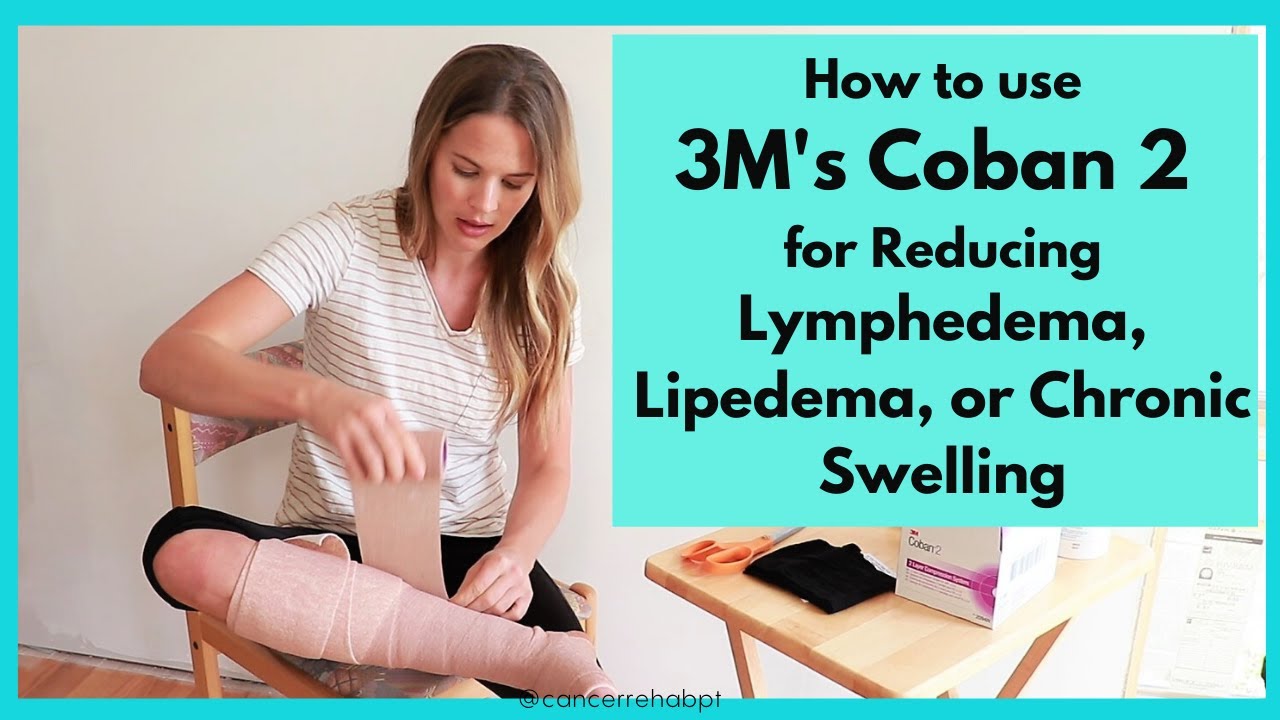
Lymphedema Treatment: Using 3M Coban 2 Wraps to Reduce Swelling
The Coban Compression System is a widely used medical tool designed to provide effective compression therapy. It is primarily utilized in the management of venous leg ulcers, lymphedema, and other conditions that benefit from controlled compression. This system is known for its ease of use, comfort, and effectiveness in promoting healing and reducing swelling.
What is the Coban Compression System?
The Coban Compression System is a two-layer compression bandage system. It is designed to deliver sustained, therapeutic compression to the affected area, typically the lower extremities. The system consists of two main components:
- Comfort Layer: This is the first layer applied directly to the skin. It is soft, non-woven, and provides a cushioning effect. The comfort layer helps to protect the skin and evenly distribute pressure.
- Compression Layer: The second layer is a cohesive bandage that sticks to itself but not to the skin or clothing. This layer provides the necessary compression to reduce edema and improve venous return.
Key Features and Benefits
- Ease of Application: The Coban Compression System is designed for easy application, making it suitable for both healthcare professionals and patients who may need to apply it themselves at home.
- Comfort and Mobility: The system is lightweight and allows for normal movement, which is crucial for patient compliance and comfort.
- Consistent Compression: The cohesive nature of the compression layer ensures that the bandage stays in place, providing consistent compression over time.
- Breathability: The materials used in the Coban Compression System are breathable, reducing the risk of skin irritation and maceration.
- Cost-Effective: By promoting faster healing and reducing the need for frequent dressing changes, the Coban Compression System can be a cost-effective solution for long-term compression therapy.
Indications for Use
The Coban Compression System is indicated for a variety of conditions, including:
- Venous Leg Ulcers: These are chronic wounds that occur due to improper functioning of venous valves, often requiring compression therapy to heal.
- Lymphedema: A condition characterized by swelling due to lymphatic system blockages, where compression helps to reduce fluid buildup.
- Chronic Edema: Persistent swelling that can benefit from the pressure exerted by the compression system.
- Post-Surgical Edema: After certain surgeries, compression can help manage swelling and promote healing.
Application Guidelines
Applying the Coban Compression System correctly is crucial for its effectiveness. Here are the general steps:
- Prepare the Skin: Ensure the skin is clean and dry. Apply any prescribed topical treatments before bandaging.
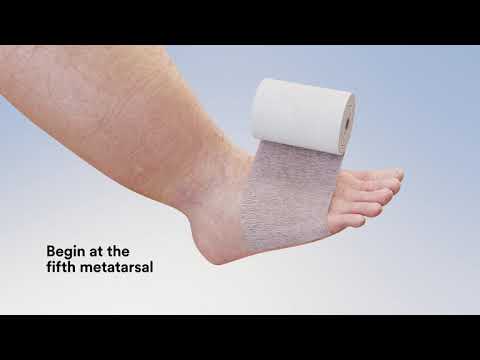
- Apply the Comfort Layer: Start at the base of the toes and wrap the comfort layer around the foot and up the leg, ensuring even coverage without gaps.
- Apply the Compression Layer: Over the comfort layer, apply the compression layer in a similar manner. Ensure that the bandage is snug but not too tight, as excessive pressure can impede circulation.
- Secure the Bandage: The cohesive nature of the compression layer will help it stay in place without additional fasteners.
- Monitor the Patient: Regularly check the bandage for signs of slipping or excessive tightness. Educate the patient on signs of complications, such as numbness or increased pain.
Precautions and Considerations
While the Coban Compression System is generally safe, there are some precautions to consider:
- Contraindications: It should not be used in patients with severe arterial disease or those with an ankle-brachial index (ABI) of less than 0.5.
- Skin Sensitivity: Monitor for any signs of allergic reactions or skin irritation.
- Patient Education: Ensure patients understand how to apply and monitor the bandage, and when to seek medical advice.