Hyperpigmentation
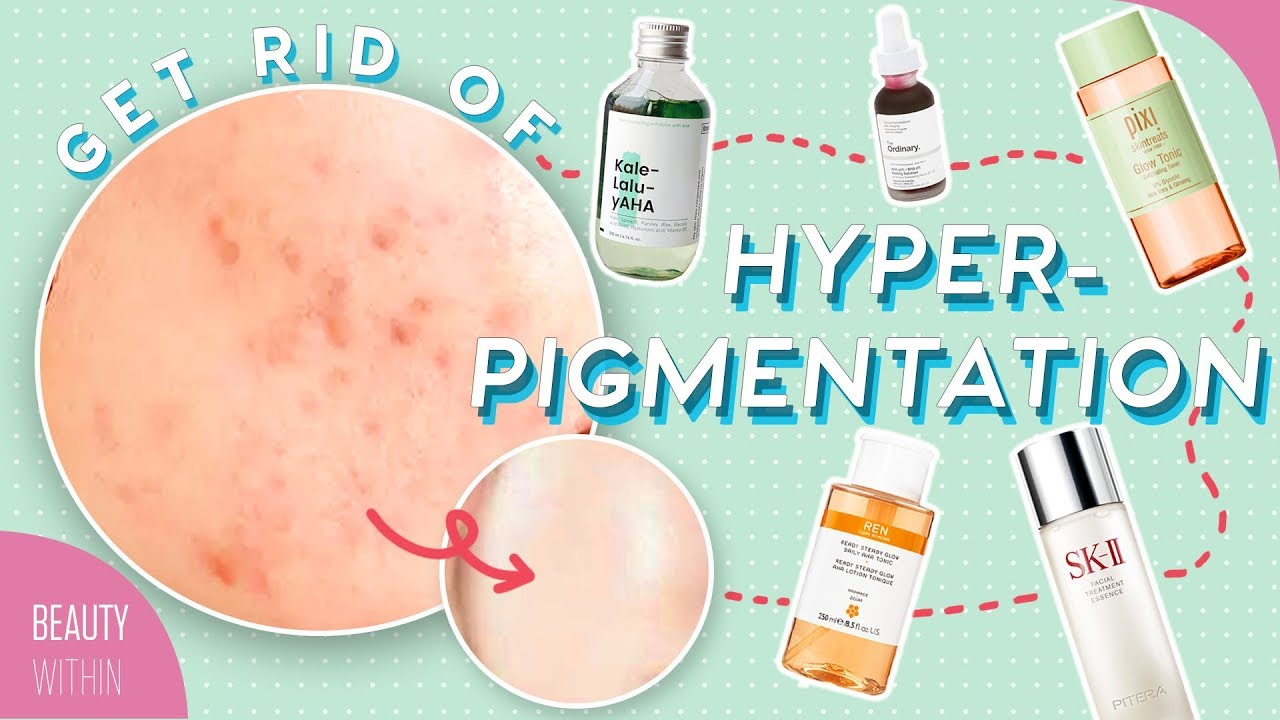
Hyperpigmentation is the name that healthcare professionals give to patches of skin that become darker than surrounding areas of skin.
Types of hyperpigmentation include age spots, melasma, and post-inflammatory hyperpigmentation.
Each of these has different cause and a range of treatments and products, including creams and cosmetic procedures. Read more..
| Type | Symptoms | Where on the body? | Who can it affect? |
|---|---|---|---|
| Age spots, also called liver spots or solar lentigines | Brown, tan, or black spots that appear on skin with sun overexposure | They commonly appear on the face and hands, or on sun-exposed areas of the body | Age spots usually appear on older adults or after extended sun exposure |
| Melasma, also called chloasma or “the mask of pregnancy” | Large patches of darkened skin | They often appear on the forehead, face, and stomach | Women, people who are pregnant or taking birth control pills, and people with darker skin are more likely to develop melasma |
| Post-inflammatory hyperpigmentation | Spots or patches of darkened skin that appear after an inflammatory skin condition, such as acne or eczema | They usually appear on the face or neck | People who have had inflammation or an injury to the skin |
CAUSES OF HYPERPIGMENTATION
There are several factors that can lead to hyperpigmentation, including:
- Sun Exposure: Ultraviolet (UV) rays from the sun can increase melanin production, leading to sunspots or age spots, which are a form of hyperpigmentation.
- Inflammation: Skin injuries such as cuts, burns, or acne can lead to post-inflammatory hyperpigmentation (PIH), where the skin darkens after the wound has healed.
- Hormonal Changes: Conditions like melasma are often triggered by hormonal changes, such as those occurring during pregnancy or with the use of birth control pills.
- Medications: Certain drugs, including some chemotherapy treatments, can cause hyperpigmentation as a side effect.
- Medical Conditions: Diseases such as Addison's disease and hemochromatosis can also cause hyperpigmentation.
Types of Hyperpigmentation
Hyperpigmentation can manifest in various forms, including:
- Melasma: Often referred to as the "mask of pregnancy," melasma is characterized by brown or gray-brown patches, usually on the face.
- Sunspots: Also known as liver spots or solar lentigines, these are small, darkened patches that appear on areas frequently exposed to the sun.
- Post-Inflammatory Hyperpigmentation (PIH): This occurs after an injury or inflammation of the skin, such as acne, eczema, or psoriasis.
Diagnosis
Diagnosing hyperpigmentation typically involves a visual examination by a dermatologist. In some cases, a skin biopsy may be performed to rule out other conditions. A Wood's lamp examination, which uses ultraviolet light, can also help determine the depth of the pigmentation.
Treatment Options
While hyperpigmentation is generally harmless, treatment can help improve the appearance of the skin. Options include:
- Topical Treatments:
* Hydroquinone: A skin-lightening agent that reduces melanin production.
* Retinoids: Vitamin A derivatives that promote cell turnover and can help fade dark spots.
* Vitamin C: An antioxidant that can brighten the skin and reduce pigmentation.
- Chemical Peels: These involve applying a chemical solution to the skin to remove the top layers, promoting new skin growth that can be more evenly pigmented.
- Laser Therapy: Lasers can target and break down melanin deposits in the skin, helping to reduce hyperpigmentation.
- Microdermabrasion: A procedure that exfoliates the skin, removing the outermost layer to promote new skin growth.
- Cryotherapy: This involves freezing the hyperpigmented areas with liquid nitrogen, which can help lighten the skin.
Prevention
Preventing hyperpigmentation involves protecting the skin from factors that can trigger melanin production:
- Sun Protection: Use a broad-spectrum sunscreen with an SPF of at least 30 daily, even on cloudy days. Wear protective clothing and seek shade when the sun is strongest.
- Avoid Picking at the Skin: Picking at acne or other skin injuries can lead to PIH.
- Use Gentle Skincare Products: Harsh products can irritate the skin and exacerbate hyperpigmentation.
Living with Hyperpigmentation
While hyperpigmentation can be a persistent condition, many people find that a combination of treatments and preventive measures can significantly improve their skin's appearance. It's important to have realistic expectations and understand that treatment can take time. Consulting with a dermatologist can help tailor a treatment plan to individual needs and skin types.
Articles/Studies
Are Natural Ingredients Effective in the Management of Hyperpigmentation? A Systematic Review.
Antioxidant, Anti-Melanogenic and Anti-Wrinkle Effects of *Phellinus vaninii*.