Mountain Grape / Sand Grape
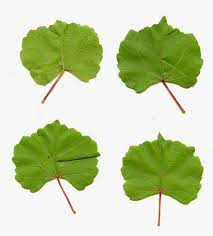
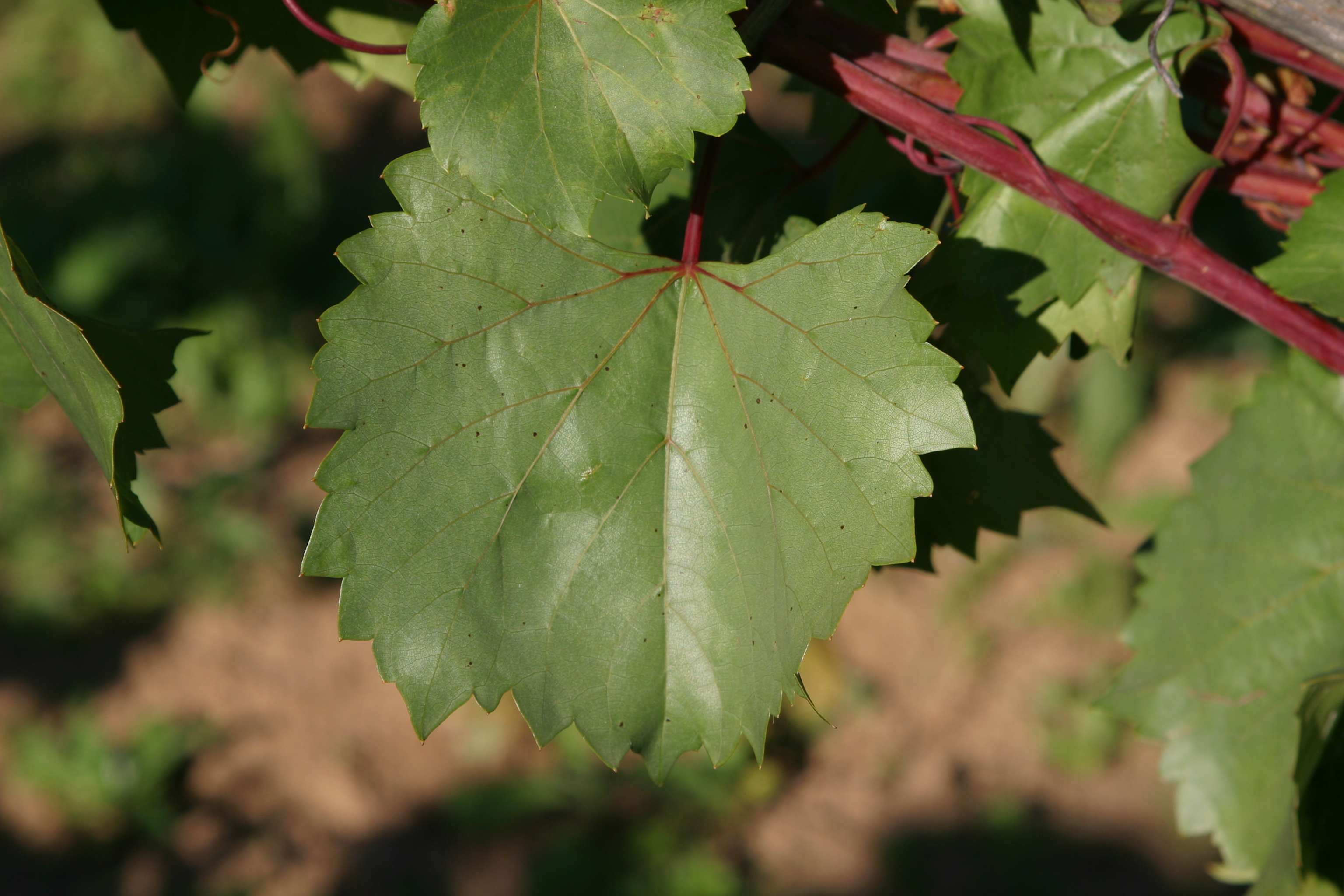
The Sand Grape, scientifically known as Vitis rupestris, is a species of grapevine native to North America. This hardy plant is notable for its resilience and adaptability, making it a significant subject of interest in both ecological and agricultural contexts.
Botanical Characteristics
Vitis rupestris is a deciduous vine that typically grows in rocky, sandy soils, which is reflected in its common name, Sand Grape. The plant is characterized by its:
- Leaves: The leaves are generally heart-shaped with a rough texture and serrated edges. They are smaller compared to other grape species.
- Flowers: The flowers are small, greenish, and appear in clusters. They are not particularly showy but are essential for the plant's reproductive cycle.
- Fruit: The grapes are small, dark purple to black, and grow in clusters. They are known for their high acidity and strong flavor, which can be quite tart.
Habitat and Distribution
Sand Grape is predominantly found in the central and southern United States, particularly in states like Missouri, Arkansas, and Texas. It thrives in well-drained, sandy, or rocky soils and is often found in riverbanks, hillsides, and other areas with poor soil quality. This adaptability to harsh conditions makes it a valuable plant for soil stabilization and erosion control.
Ecological Importance
The Sand Grape plays a crucial role in its native ecosystems. It provides food and habitat for various wildlife species, including birds and small mammals. The plant's deep root system helps to stabilize soil and prevent erosion, making it an important component of riparian and hillside environments.
Agricultural Significance
One of the most notable aspects of Vitis rupestris is its use in viticulture. The species is highly resistant to phylloxera, a devastating pest that affects grapevines. Because of this resistance, Sand Grape has been extensively used as rootstock for grafting more susceptible grape varieties. This practice has been instrumental in saving many vineyards from phylloxera infestations, particularly in Europe during the late 19th century.
Cultivation and Care
Cultivating Sand Grape requires an understanding of its natural habitat and growth conditions. Here are some key points for successful cultivation:
- Soil: Well-drained, sandy, or rocky soils are ideal. The plant does not thrive in heavy, waterlogged soils.
- Watering: While the Sand Grape is drought-tolerant, regular watering during dry periods can promote better growth and fruit production.
- Sunlight: Full sun to partial shade is preferred. The plant can tolerate some shade but will produce more fruit in sunnier locations.
- Pruning: Regular pruning helps to maintain the plant's shape and encourages healthy growth. It also aids in air circulation, reducing the risk of fungal diseases.
Challenges and Pests
Despite its hardiness, Vitis rupestris can still face challenges from pests and diseases. Common issues include:
- Powdery Mildew: A fungal disease that affects the leaves and fruit, causing a white, powdery coating.
- Downy Mildew: Another fungal disease that causes yellowish spots on the leaves and can lead to defoliation.
- Grape Berry Moth: A pest that lays eggs on the fruit, leading to damaged and unmarketable grapes.
Integrated pest management strategies, including proper pruning, monitoring, and the use of organic or chemical controls, can help mitigate these issues.