Slipped Disc
See Herniated Disc
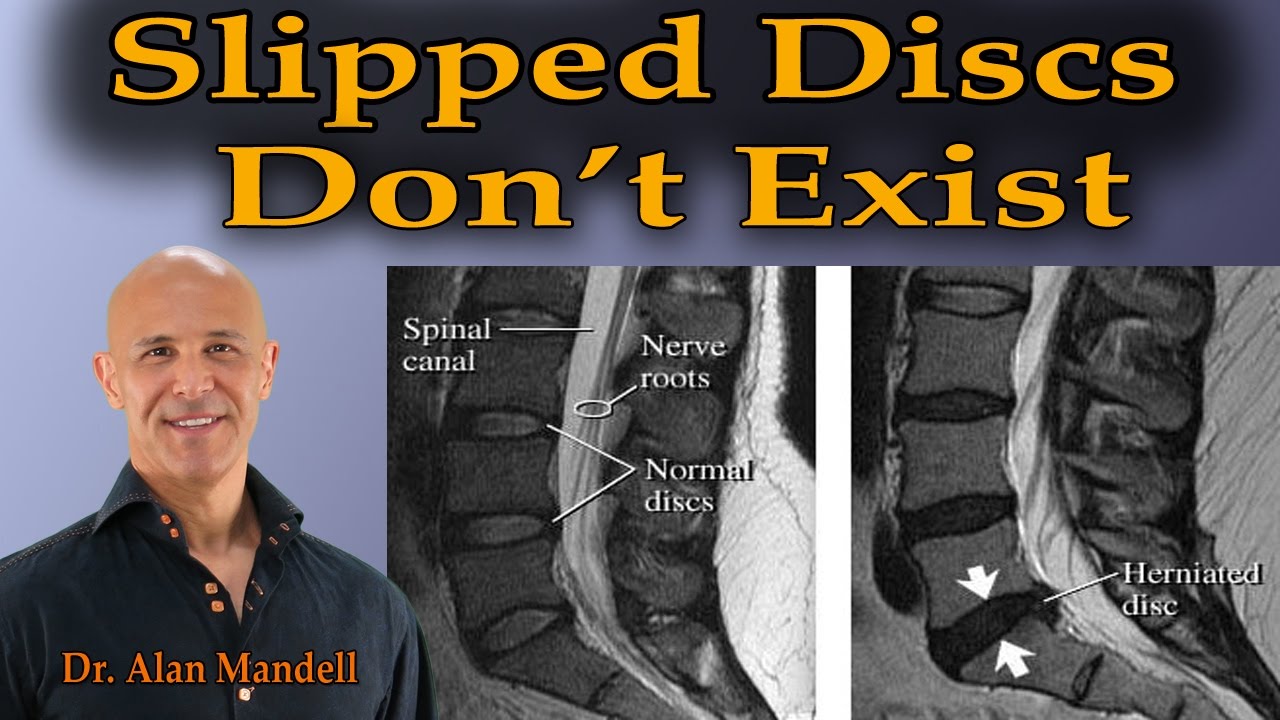

A slipped disc, also known as a herniated or prolapsed disc, is a common condition that affects the spine. It occurs when the soft inner gel of a spinal disc pushes through a tear in the tougher exterior casing. This can lead to pain, numbness, or weakness in an arm or leg.
Anatomy of the Spine
The human spine is composed of 33 vertebrae, which are separated by intervertebral discs. These discs act as cushions, absorbing shock and allowing flexibility in the spine. Each disc has a tough outer layer called the annulus fibrosus and a soft, jelly-like center known as the nucleus pulposus. When the nucleus pulposus protrudes through a tear in the annulus fibrosus, it can press on nearby nerves, leading to the symptoms associated with a slipped disc.
Causes of a Slipped Disc
Several factors can contribute to the development of a slipped disc:
- Age: As people age, their spinal discs lose water content, making them less flexible and more prone to tearing or rupturing.
- Weight: Excess body weight puts additional stress on the discs in the lower back.
- Occupation: Jobs that require heavy lifting, bending, or twisting can increase the risk of a slipped disc.
- Genetics: Some individuals may inherit a predisposition to developing a slipped disc.
- Sedentary Lifestyle: Lack of regular exercise can weaken the muscles that support the spine, increasing the risk of disc herniation.
Symptoms of a Slipped Disc
The symptoms of a slipped disc can vary depending on the location and severity of the herniation. Common symptoms include:
- Pain: Sharp or burning pain in the back, neck, or limbs, often exacerbated by movement.
- Numbness or Tingling: Affected nerves can cause numbness or a tingling sensation in the arms or legs.
- Weakness: Muscles served by the affected nerves may weaken, leading to difficulty lifting or holding items.
- Loss of Reflexes: Reflexes in the arms or legs may be diminished.
Diagnosis
Diagnosing a slipped disc typically involves a combination of medical history, physical examination, and imaging tests. A healthcare provider may perform the following:
- Physical Examination: Assessing the patient's range of motion, reflexes, and muscle strength.
- Imaging Tests: MRI or CT scans can provide detailed images of the spine, helping to confirm the presence and location of a herniated disc.
- Nerve Tests: Electromyography (EMG) and nerve conduction studies can evaluate the electrical activity in nerves and muscles.
Treatment Options
Treatment for a slipped disc often begins with conservative measures. These may include:
- Rest and Activity Modification: Avoiding activities that exacerbate symptoms while maintaining gentle movement to prevent stiffness.
- Physical Therapy: Exercises to strengthen the muscles supporting the spine and improve flexibility.
- Medications: Over-the-counter pain relievers, anti-inflammatory drugs, or muscle relaxants may be prescribed to manage pain and inflammation.
- Heat and Cold Therapy: Applying heat or cold packs to the affected area can help reduce pain and swelling.
If conservative treatments are ineffective, more invasive options may be considered:
- Epidural Steroid Injections: Corticosteroid injections can reduce inflammation and relieve pain.
- Surgery: In severe cases, surgical intervention may be necessary to remove the herniated portion of the disc and relieve pressure on the nerves.
Prevention
While not all cases of slipped discs can be prevented, certain lifestyle changes can reduce the risk:
- Maintain a Healthy Weight: Reducing excess weight can decrease stress on the spine.
- Exercise Regularly: Strengthening core muscles and improving flexibility can support spinal health.
- Practice Good Posture: Proper posture when sitting, standing, and lifting can prevent unnecessary strain on the spine.
- Quit Smoking: Smoking can reduce blood flow to the spine, increasing the risk of disc degeneration.